






Why the Monsoon Messes with Your Gut
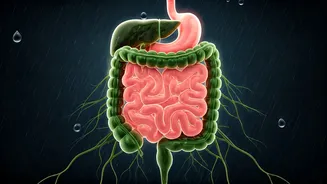
The monsoon season, while beautiful, creates a perfect storm for digestive problems. The high humidity and ambient moisture provide an ideal breeding ground for bacteria, viruses, and fungi. This increases the risk of food and water contamination. Simultaneously,
our body's digestive fire, or 'Agni' as it's known in Ayurveda, tends to weaken during this season. This natural slowdown makes our system more sluggish and susceptible to issues like bloating, acidity, diarrhoea, and indigestion, which are common complaints during this time.
Embrace Warm, Cooked, and Light Meals
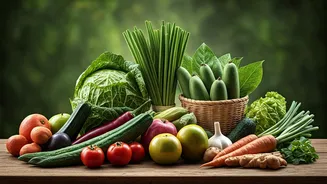
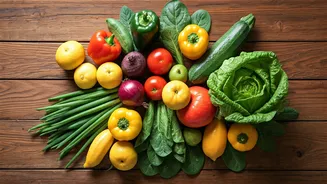
Your digestive system needs a little extra support during the rains, and the best way to provide it is through your diet. Opt for meals that are warm, freshly prepared, and easy to digest. Think comforting bowls of moong dal khichdi, warm vegetable soups, and lightly spiced porridges. Incorporate seasonal vegetables like bottle gourd (lauki), bitter gourd (karela), and pumpkin, ensuring they are cooked well. Adding digestive-friendly spices is a game-changer. Ginger, turmeric, cumin (jeera), asafoetida (hing), and black pepper not only add flavour but also actively aid digestion and help prevent bloating. A small piece of ginger with rock salt before a meal is a traditional remedy to stimulate digestive juices.
Navigating Cravings and Common Pitfalls
The craving for fried pakoras and spicy street food is almost synonymous with a rainy day, but this is where caution is crucial. Street food, especially items like chaat and pani puri, carries a high risk of contamination from unclean water and exposed ingredients. It’s best to avoid them or prepare healthier, cleaner versions at home. Leafy greens like spinach and cabbage, while normally healthy, can harbour dirt and germs in their folds during the monsoon, so they must be washed meticulously and cooked thoroughly. Similarly, raw salads should be avoided. It’s also wise to limit heavy, oily meals and excessively spicy food, as they can overburden a sluggish digestive system.
The Golden Rules of Hydration and Hygiene
Waterborne diseases are rampant during the monsoon, making safe hydration a top priority. Always drink boiled, filtered, or purified water. Avoid drinking tap water from unknown sources and be wary of ice in drinks when you're outside. Warm herbal teas made with ginger, tulsi, or mint are excellent choices for staying hydrated and supporting digestion. Probiotic-rich drinks like fresh buttermilk (chaas) or yoghurt (dahi) can be beneficial for gut health, but ensure they are made from pasteurised milk and consumed during the day. Beyond what you consume, basic hygiene is your strongest defence. Wash your hands with soap and water before cooking or eating, and ensure all fruits and vegetables are washed thoroughly before use.
Boost Your Immunity Naturally
A strong immune system is your best defence against seasonal infections. The monsoon is a great time to focus on immunity-boosting foods. Include plenty of Vitamin C from sources like amla, lemons, and seasonal fruits such as pomegranates, pears, and plums. Spices like turmeric are renowned for their anti-inflammatory and immunity-boosting properties. Getting adequate rest and managing stress are also crucial, as they have a direct impact on your body’s ability to fight off germs. A balanced diet rich in proteins, vitamins, and minerals will keep your energy levels up and your defences strong, allowing you to embrace the season fully.