




The Science of Less Oil
An air fryer isn't a magical device; it's essentially a compact countertop convection oven. Instead of submerging food in hot oil, it circulates superheated air at high speeds to cook and create a crispy exterior. This method, known as the Maillard reaction,
gives food its browned colour and distinct flavour. The primary benefit is a drastic reduction in oil usage. While deep-frying requires cups of oil, air frying often needs just a single teaspoon or a light spray to achieve a similar golden crunch. Studies and experts suggest this can cut the fat and calorie content of foods by 70-80% compared to their deep-fried counterparts, making it a significantly healthier cooking method. Furthermore, air frying can lower the formation of potentially harmful compounds like acrylamide, which can form in starchy foods during high-temperature frying.
Recreating the Samosa
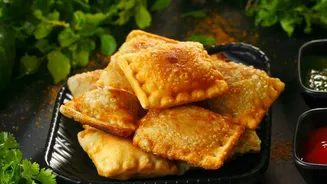
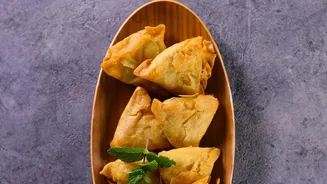
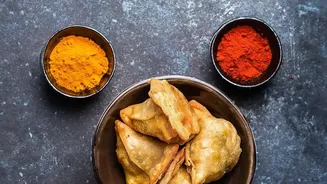
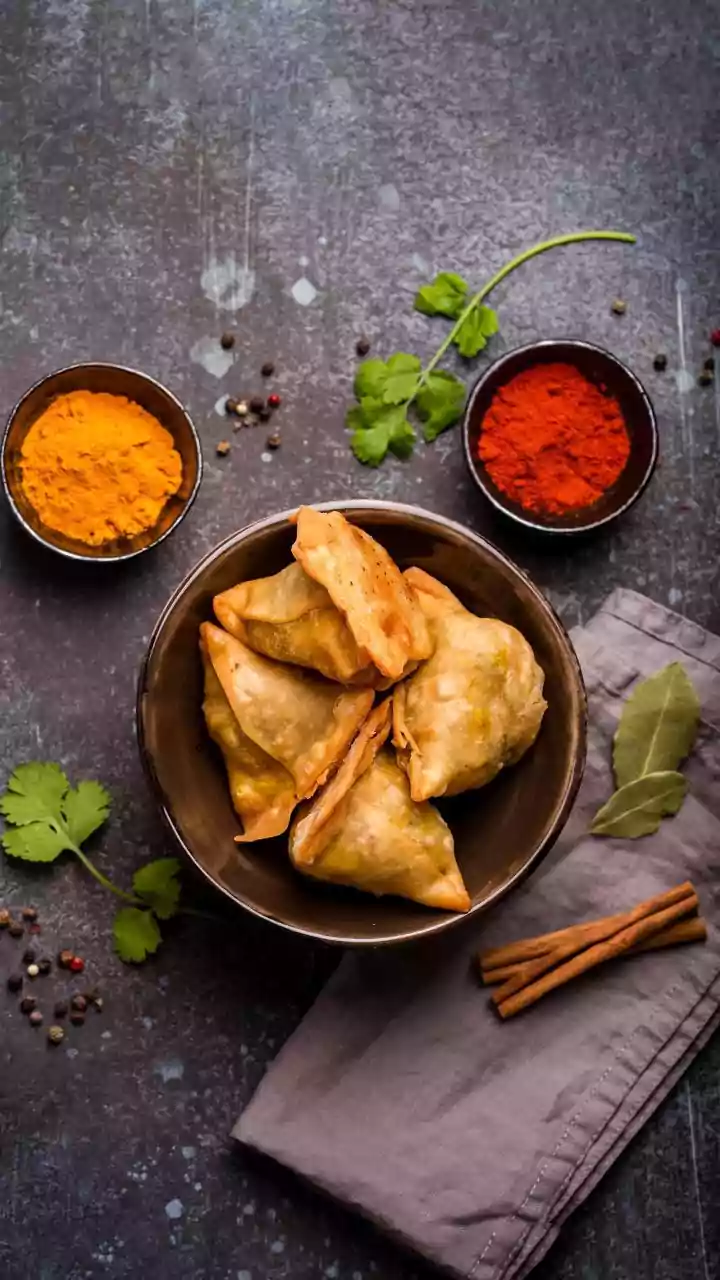
The samosa is arguably the king of Indian snacks, and it adapts remarkably well to the air fryer. Whether you are using frozen samosas or making them from scratch, the key is achieving a flaky, golden crust without the grease. For homemade samosas, simply shape them as you normally would and then lightly brush or spray them with oil before placing them in the basket. A two-stage cooking process often yields the best results: start at a lower temperature (around 180°C) to cook the pastry through, then increase it (to 200°C) for the last few minutes to get that perfect, bubbly crispness. It's crucial not to overcrowd the basket, as this prevents the hot air from circulating properly and can result in unevenly cooked, soft samosas. The result is a snack that is nearly as satisfying as the original but far lighter.
Perfecting the Pakora
Pakoras present a slightly bigger challenge because of their wet batter. A runny batter can drip through the air fryer's basket, creating a mess and a less-than-ideal snack. The secret is to make the besan (chickpea flour) batter slightly thicker than you would for deep-frying. You can also add a spoonful of rice flour or cornflour to help create a crispier texture. Once you've mixed your vegetables into the thick batter, drop spoonfuls onto a lined or lightly oiled air fryer basket. Air fry at a high temperature, around 200°C, and flip them halfway through cooking to ensure all sides get crispy. While the texture might be slightly denser than a deep-fried pakora, the flavour is all there, providing a satisfying crunch without the oil slick.
Tips for Air-Fried Success
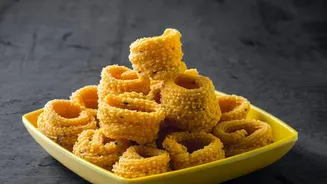
To get the best results when air frying your favourite Indian snacks, a few simple rules apply. First, always preheat your air fryer for a few minutes before adding food; this helps ensure even cooking from the start. Second, arrange items in a single layer and avoid overcrowding the basket to allow for maximum air circulation. If you're cooking a large batch, it's better to do it in two rounds. Third, for most items, shaking the basket or flipping the snacks halfway through the cooking time is essential for an all-around crispy finish. Finally, don't be afraid to use a little oil. While the goal is to reduce it, a light spray or brushing of oil is often necessary to achieve that desirable golden-brown colour and crisp texture.