






A Green Engine for a Golden Legacy
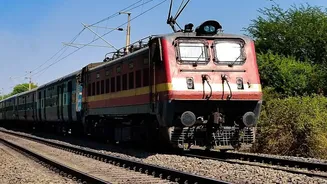
Indian Railways has embarked on a pioneering project named 'Hydrogen for Heritage', which aims to introduce clean energy to some of the country's most cherished railway lines. The initial focus is on deploying 35 hydrogen-powered trains across several
narrow-gauge routes, including the Kalka-Shimla railway, the Darjeeling Himalayan Railway, and the Nilgiri Mountain Railway. These lines, celebrated for their stunning landscapes and historical significance, currently rely on diesel engines. The move to hydrogen power is a strategic one, designed to eliminate carbon emissions and noise pollution in these ecologically sensitive areas, ensuring their charm is preserved for future generations while showcasing India's technological prowess.
How Do Hydrogen Trains Work?
Unlike conventional trains, hydrogen fuel cell trains are essentially electric trains that generate their own power on board. The technology involves a chemical reaction between hydrogen, stored in tanks on the train, and oxygen from the air. This reaction, which takes place in a device called a fuel cell, produces electricity to power the motors. The incredible part is the only byproduct is water vapour, making it a true zero-emission solution at the point of use. This process offers a clean alternative to diesel and avoids the need for expensive and visually intrusive overhead electric cables, which would spoil the scenic vistas of heritage routes.
The Pilot Run and What's Next
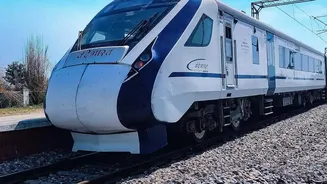
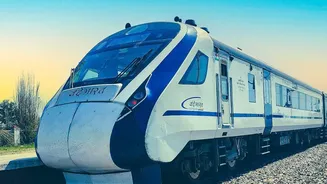
The first major step in this journey was the launch of an indigenous hydrogen-powered train on the Jind-Sonipat section in Haryana in July 2026. This pilot project is providing invaluable data on the technology's performance and operational requirements under Indian conditions. While this initial run has seen low passenger traffic, officials are using it as a crucial learning experience, even considering an extension to Delhi to test it on a busier route. For the heritage lines, the plan includes setting up dedicated hydrogen gas stations at key points, such as Kalka, Barog, and Shimla for the Kalka-Shimla line, to support the new fleet.
Part of a Larger National Vision
This railway project is not happening in isolation. It is a key component of India's ambitious National Green Hydrogen Mission. Launched by the government, this mission aims to make India a global hub for the production, use, and export of green hydrogen. By championing hydrogen use in a high-visibility sector like the railways, the government is creating demand and demonstrating its commitment to clean energy goals, such as achieving Net Zero emissions. The success of these hydrogen trains will help build a domestic ecosystem for hydrogen technology, from electrolyser manufacturing to building a robust supply chain, and reduce the nation's reliance on imported fossil fuels.
The Challenges on the Track Ahead
Despite the excitement, the path to a fully hydrogen-powered heritage railway network is not without its obstacles. The primary challenge is cost. Currently, green hydrogen production is significantly more expensive than diesel or electricity from the grid. The fuel cell technology itself is also costly, and India is still working on developing a domestic supply chain to avoid dependency on imports. Furthermore, building the necessary infrastructure for hydrogen production, storage, and refueling requires substantial investment and careful planning, especially in the difficult terrains of the Himalayan routes. Safety standards for handling highly flammable hydrogen are also paramount.