


The Key to Arunachal: What is an ILP?
The Inner Line Permit, or ILP, is a mandatory travel document for any Indian citizen who is not a resident of Arunachal Pradesh. This system, rooted in the Bengal Eastern Frontier Regulation of 1873, was originally designed to regulate movement into protected
areas. Today, it serves as a crucial tool to safeguard the unique cultural heritage and fragile ecology of the state’s indigenous communities. Think of it not as a barrier, but as a formal invitation to responsibly explore one of India’s most pristine regions. Without a valid ILP, you will be turned back at the state’s entry checkpoints, such as Bhalukpong or Kimin. Foreign nationals require a different document called a Protected Area Permit (PAP), which involves a separate process.
How to Get Your Ziro Valley ILP Online
Thankfully, the process of obtaining an e-ILP is straightforward and can be done from home. First, visit the official government portal at www.arunachalilp.com. Be wary of third-party sites that may charge extra fees. You will need to register with your mobile number and then fill out the application form. Keep digital copies of a few key documents handy: a recent passport-sized photograph and a valid government-issued ID like an Aadhaar, Voter ID, or Driving License. You will also be asked to provide details of your trip, including your travel dates, the districts you plan to visit (be sure to list Ziro/Lower Subansiri), and your point of entry. The fee varies based on the duration of your stay. Approval is often quick, sometimes within the same day, but it’s wise to apply at least three to five working days before your trip to avoid any last-minute issues. Once approved, download the permit and carry both digital and printed copies with you.
Ziro Valley: A Living Cultural Landscape
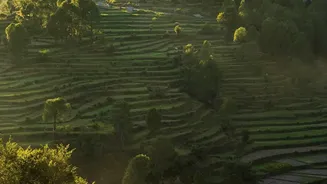
So, why is Ziro Valley worth the small administrative step of getting an ILP? The valley is home to the Apatani community, a tribe celebrated for its deep connection to nature and remarkable sustainable living practices. Their agricultural system is so unique that the Apatani Cultural Landscape is on the tentative list for UNESCO World Heritage Site status. For centuries, they have practised a highly efficient form of wet rice cultivation integrated with fish farming (pisciculture) in the same fields, all without using any machines or chemical fertilizers. This ingenious system, which also involves growing millet on the bunds between rice plots, creates a harmonious ecosystem where land, water, and community thrive together. Staying in Ziro offers a front-row seat to this living heritage, a world away from the hustle of modern life.
Choosing a Sustainable Homestay
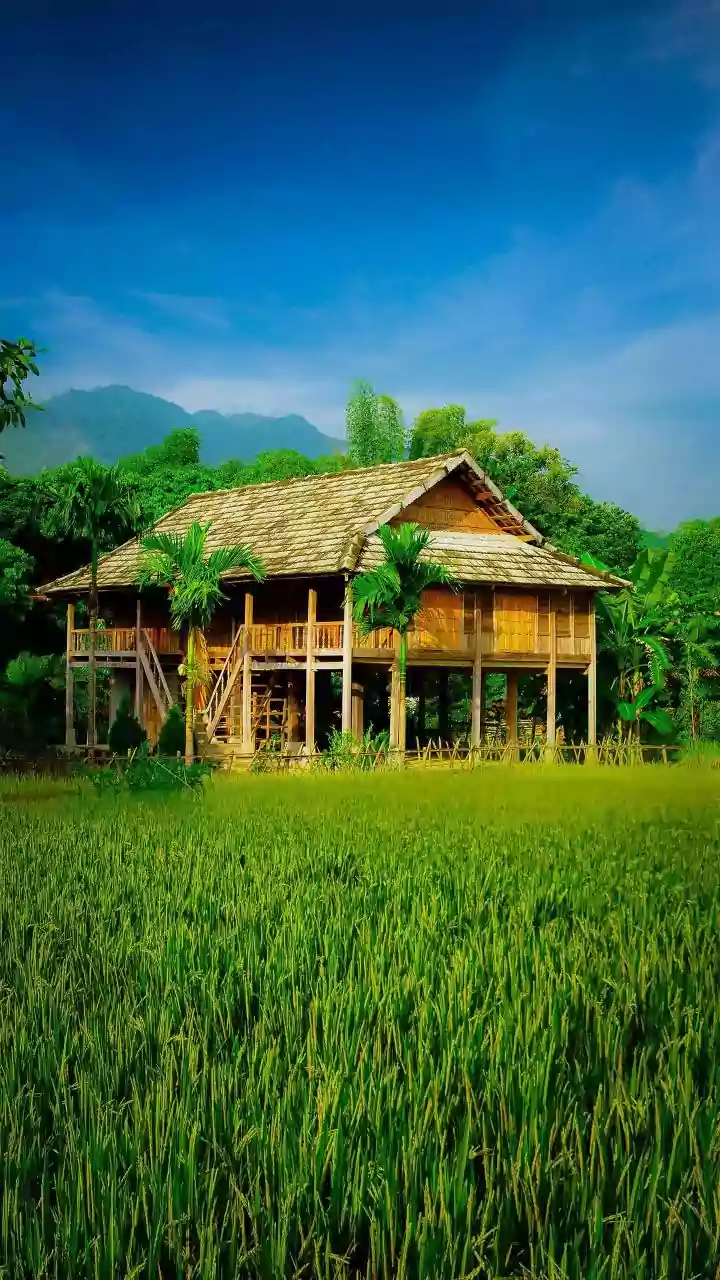
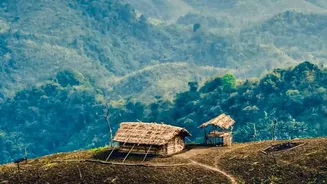
The best way to experience Ziro is by staying in a local homestay. These are not just places to sleep; they are invitations into the homes and lives of Apatani families. A sustainable homestay in Ziro is typically built with local materials like bamboo and wood, blending seamlessly with the surroundings. By choosing one, you directly contribute to the local economy and support families who are the custodians of the valley's culture. These stays offer an authentic immersion—sharing home-cooked meals like bamboo shoot curry, sipping local rice brew by a traditional fireplace, and listening to stories passed down through generations. Many hosts are also local conservationists and can guide you on respectful exploration of the area. Look for homestays that actively promote eco-friendly practices like waste reduction and organic farming.
Travel Responsibly, Leave a Positive Mark
Visiting a place as culturally and ecologically sensitive as Ziro comes with a responsibility to be a mindful traveller. Always ask for permission before taking photographs, especially of elders or during rituals. Engage with your hosts and the local community with respect and genuine curiosity. Minimise your environmental footprint by avoiding single-use plastics and carrying a reusable water bottle. Support local artisans by purchasing handwoven textiles and bamboo crafts directly from them. By travelling consciously, you ensure that your visit helps preserve the very heritage and beauty that make Ziro Valley so special for generations to come.