






Why the Rains Demand Extra Vigilance
The magic of the monsoon—the high humidity and moisture—is also what makes it a perfect breeding ground for bacteria, viruses, and fungi. The risk of water contamination rises, meaning everything from the water used to wash vegetables to the ice in your
drink could be a potential source of trouble. Common rainy-season illnesses like gastroenteritis, typhoid, cholera, and general food poisoning see a significant spike. This isn't about fear-mongering; it's about being aware. The warm, damp conditions mean that food spoils faster, and germs like E. coli and Salmonella multiply rapidly. That's why being a little extra careful when eating out isn't just smart, it's essential for staying healthy.
Your First Inspection: Look and Sniff
Your senses are your best first line of defence. Before you even take a seat, do a quick visual scan. A clean dining area is a good start, but it's not the whole story. Look for clean floors, dust-free fixtures, and well-maintained furniture. The state of the restroom is often a very telling indicator of the kitchen's hygiene standards. Pay attention to the staff. Are their uniforms clean? A strong smell of disinfectant might be masking underlying issues, while the presence of flies or other pests is a major red flag. A busy restaurant is often a good sign, as high customer turnover usually means fresher food.
Navigate the Menu Like a Pro
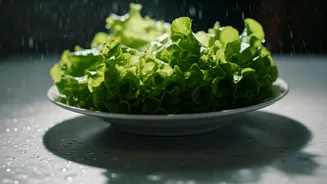
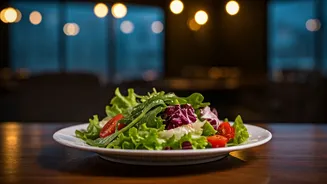
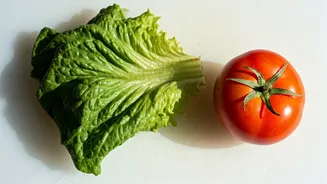
During the monsoon, not all dishes are created equal in terms of safety. It’s wise to be wary of raw or uncooked foods. This includes salads, pre-cut fruits, and fresh chutneys or pickles, which may be prepared with contaminated water or have been sitting out for a while. Leafy greens are particularly notorious as they are hard to clean thoroughly and can harbour germs in their folds. Your safest bet is to order dishes that are freshly prepared and served piping hot. The high heat of cooking kills most harmful bacteria. This is the season to favour soups, well-cooked curries, and freshly fried or grilled items over their raw counterparts. It's also a good idea to be cautious with seafood, as monsoon is the breeding season for fish, making freshness harder to guarantee.
The All-Important Water Question
Waterborne diseases are rampant during the rainy season, so it's crucial to be mindful of the water you consume. Always opt for bottled water from a reputable brand and check that the seal is intact before you open it. Avoid ice unless you can be certain that it has been made with purified, filtered water, which is often not the case at many smaller establishments. This extends to anything prepared with water, including fresh juices and the water used to make pani for chaat items like golgappas. If you're a fan of street food, this is the time to be extra discerning, as the water source is often the biggest hygiene risk.
Check for the Official Stamp of Approval
In India, the Food Safety and Standards Authority of India (FSSAI) provides guidelines and ratings for restaurant hygiene. Many restaurants display their FSSAI license or a 'Hygiene Rating' sticker, which scores them on a scale. This can be a useful, objective measure of the establishment's commitment to safety standards. These standards cover everything from personal hygiene of staff to waste disposal and pest control. While a high rating is reassuring, its absence doesn't automatically mean a place is unhygienic. However, its presence shows that the restaurant is transparent and confident in its processes. When in doubt, trust your gut instinct. If a place feels 'off' or unclean for any reason, it's better to be safe and walk away.