



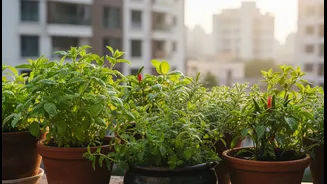




July's Unwanted Garden Guests
July is a prime month for balcony gardeners to enjoy their vibrant spaces, but the warm, often dry conditions are also perfect for pests. Aphids, spider mites, and whiteflies are among the most common culprits you'll encounter. Aphids, small sap-sucking
insects, can cause leaves to curl and stunt new growth. Spider mites, which thrive in hot, dry weather, can quickly cover a plant in fine webbing, causing leaves to yellow and drop. Whiteflies also suck sap and, like aphids, excrete a sticky substance called honeydew, which can lead to sooty mold. These pests reproduce rapidly in the summer heat, meaning a small problem can quickly become a full-blown infestation that weakens and can even kill your cherished plants.
The Dangers of Improper Mixing
To combat these pests, many gardeners turn to concentrated treatments like neem oil or insecticidal soaps. However, getting the dosage right is critical. Mixing a solution that is too strong can be more dangerous than the pests themselves. Overly concentrated pesticides can burn plant leaves, damage the soil, and pose risks to beneficial insects, pets, and even your own health. Conversely, a solution that is too weak will be ineffective, allowing the pest population to continue growing while you waste time and resources. This guesswork often leads to frustration and can turn a relaxing hobby into a source of stress. The fundamental problem is that product labels provide instructions that can be difficult to scale down for the small spray bottles typically used in balcony gardening.
What Are Dilution Calculators?
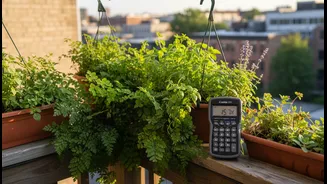
A scientific dilution calculator is a simple but powerful tool, usually a web-based application or a feature within a gardening app, designed to eliminate the guesswork in mixing solutions. These calculators perform the math for you, ensuring precision every time. You simply input a few key pieces of information: the total volume of your sprayer (e.g., 1 litre), the recommended dilution rate from the product label (often given in ounces per gallon or a percentage), and the concentration of the active ingredient. The calculator then instantly tells you the exact amount of concentrate you need to add to the water to achieve the perfect, effective, and safe strength.
Streamlining Your Pest Control
Using a dilution calculator transforms your pest management routine. First, read your pesticide label to find the recommended mixing ratio. Many organic options like neem oil or insecticidal soap will provide a range; it is often best to start with a lower concentration to test your plant's sensitivity. Next, open a dilution calculator on your phone or computer. Enter your sprayer's total volume and the product's recommended rate. For example, if your label says to mix 1 teaspoon of neem oil per litre of water, and you are using a 500ml sprayer, the calculator will tell you to add precisely half a teaspoon. This removes any need for manual conversions and mental math, making the process quick, accurate, and foolproof.
Choosing Safer Balcony Treatments
The effectiveness of a dilution calculator is maximized when paired with the right treatments. For balcony gardens, especially where edibles are grown, organic and low-impact options are preferable. Neem oil is a popular choice because it disrupts insect feeding and development. Insecticidal soaps work by breaking down the outer shell of soft-bodied insects like aphids and mites on contact. Another option is a simple homemade spray using garlic and a mild soap, which can deter many common pests. Regardless of your choice, always read the label thoroughly. A calculator ensures you are following the manufacturer's safety and efficacy guidelines to the letter.
Best Practices for Application
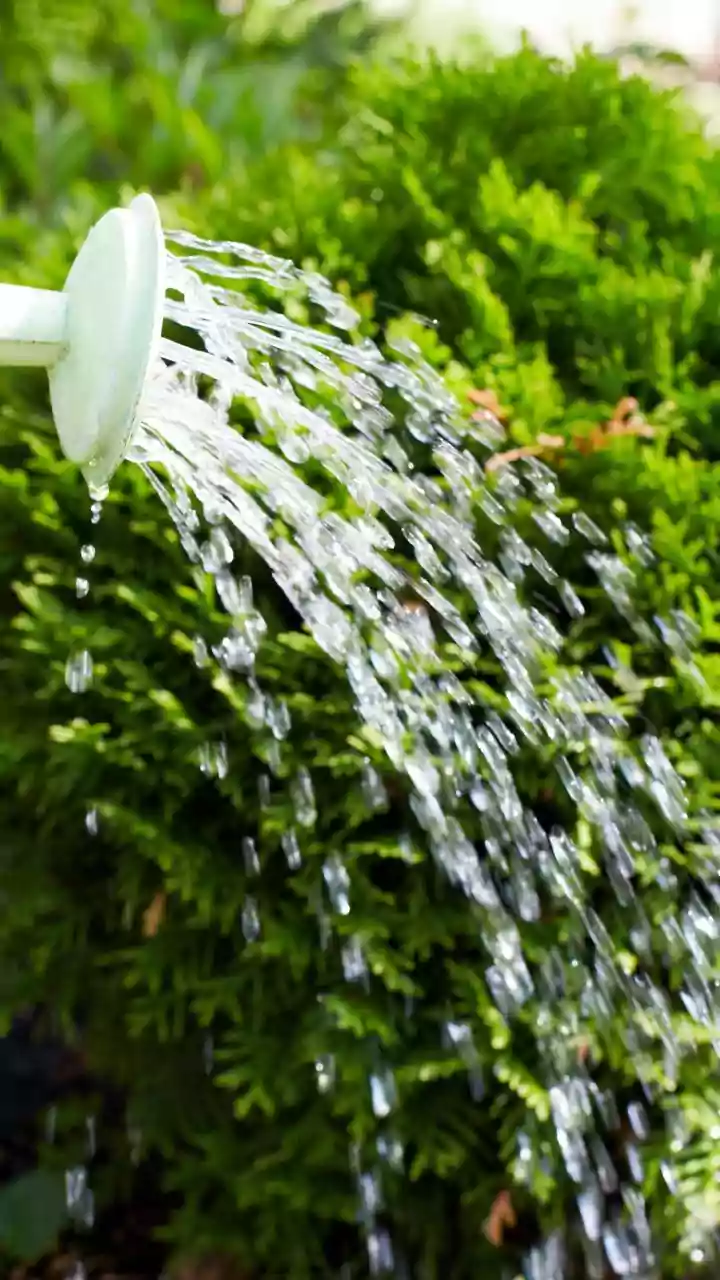
Once you have your perfectly mixed solution, application technique matters. Always spray in the early morning or late evening when temperatures are cooler to prevent leaf scorch and allow the solution to remain on the plant longer. Be sure to spray the undersides of leaves, as this is where many pests like aphids and spider mites congregate. Before spraying an entire plant, it's wise to perform a patch test on a single leaf and wait 24-48 hours to ensure there is no adverse reaction. Finally, remember that these treatments are just one part of an integrated pest management strategy that should also include promoting plant health through proper watering and fertilization.