


Why Wall Proximity Is a Problem
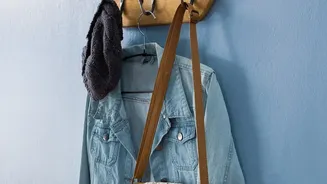
Hanging a wet jacket directly against a painted wall is a recipe for long-term damage. Moisture from rain and snow can seep into drywall or plaster, causing the paint to bubble and peel. Over time, this constant dampness creates an ideal environment for mould
and mildew, which can pose health risks and are difficult to remove. The issue is compounded by dirt and grime that gets transferred from outerwear onto your clean walls, leaving unsightly streaks. Even without visible water, good air circulation is critical for drying wet gear properly; when a coat is pressed flat against a surface, it can remain damp for longer, leading to musty odours that permeate your entryway. By creating space between the wet item and the wall, you not only protect the surface but also speed up the drying process.
Strategic Placement Is Everything
The ideal placement for entryway hooks considers both height and clearance. For adult use, the standard height is 60 to 66 inches from the floor. This ensures that even long coats hang freely without touching the ground. If you have children, consider a second, lower row of hooks at a height of 36 to 48 inches. Crucially, do not stack the rows directly on top of each other; offset the bottom hooks horizontally so that items on the top row don't block access to the ones below. Spacing between individual hooks is also important. While some pre-made racks place hooks just a few inches apart, a more functional distance is 10 to 12 inches from center to center. This gives bulky winter coats enough room to hang without being squashed together, which improves air circulation.
Choose Hardware That Holds Up
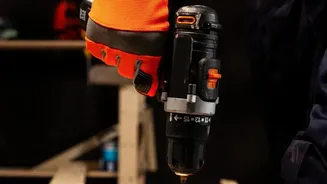
Not all hooks are created equal, especially when dealing with heavy, wet outerwear. Look for hooks made from rust-resistant materials like stainless steel, solid brass, or metals with a protective powder coating. These will stand up to moisture without corroding. Pay attention to the hook's design. Deeper, more pronounced hooks are better at holding bulky items and preventing them from sliding off. For maximum strength, especially for heavy winter parkas or backpacks, it is always best to mount hooks directly into wall studs. If a stud isn't available in your desired location, use heavy-duty drywall anchors, such as toggle bolts, to ensure the hooks can handle the weight without pulling out of the wall. Many hook manufacturers will specify the weight limit, so be sure to check that before purchasing.
Add a Layer of Protection
For the ultimate defense, create a physical barrier between your wet gear and the wall. One popular solution is to mount your hooks onto a decorative backing board first, and then mount the board to the wall. This board, which can be a finished piece of wood, can be painted with a durable, water-resistant bathroom or exterior paint for extra protection. Another option is to install a protective panel behind the hook area. This could be a sheet of clear acrylic, a stylish wall panel, or even a section of tile or diamond plate for an industrial look. In mudrooms, designers often use wainscoting or beadboard for this purpose. These panels are easy to wipe clean and are built to handle moisture far better than a standard painted wall. For drips, a boot tray or an absorbent mat placed on the floor beneath the hooks is essential.
Smart Alternatives for Every Space
If you're in a rental or simply don't want to drill into your walls, there are excellent alternatives. A freestanding coat tree or garment rack can be placed anywhere and provides 360-degree air circulation for drying. Some models even come with integrated umbrella stands and lower shelves for boots. Over-the-door hook racks are another damage-free option, perfect for closet doors near the entrance. For those with a dedicated mudroom or a larger entryway, consider creating a full drop-zone with open cubbies or lockers. This approach gives each family member a designated spot for their coats, bags, and shoes, which encourages organization and contains the mess within a single, easy-to-clean area.