




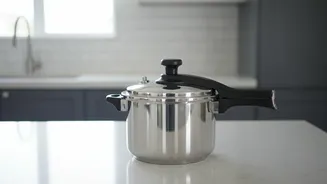

The Unsung Hero of Fast Meals
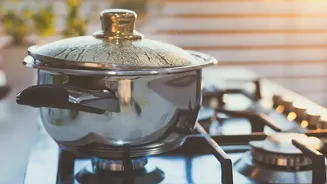
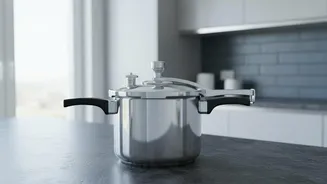
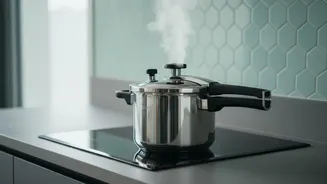
The pressure cooker is a marvel of efficiency. By trapping steam, it builds pressure that significantly raises the boiling point of water inside, allowing food to cook in a fraction of the usual time. This principle is what makes tender dal, perfectly
cooked rice, and succulent meat dishes possible on a busy weeknight. It works by creating a sealed environment. For this system to work safely, every part must function correctly, from the locking lid to the sealing gasket. But most importantly, the steam must have a clear path to escape when needed. A simple check before you start cooking can make all the difference, ensuring this hero of your kitchen performs safely every time.
Why a Tiny Speck of Food Is a Big Danger
It might seem harmless, but a small piece of food—a stray grain of rice, a bit of dal skin, or a fragment of spice—can become a serious hazard. The lid of a pressure cooker is equipped with safety mechanisms, primarily a steam vent (often called a vent pipe) and a safety valve. The steam vent is the main channel for regulating and releasing pressure. If food debris clogs this tiny opening, steam cannot escape properly. As you continue to heat the cooker, pressure builds to dangerous levels with nowhere to go. This can lead to the uncontrolled release of scalding steam, hot liquids exploding outwards, or even the lid separating from the pot with violent force. Most user-related pressure cooker accidents stem from issues like this, not inherent flaws in the cooker itself.
Your Three-Point Pre-Cooking Lid Inspection
Before you secure the lid, make this quick check a non-negotiable habit. It takes less than a minute and is the most effective way to prevent blockages. First, inspect the steam vent or vent pipe. Hold the lid up to a light source and look through the hole. You should see light clearly on the other side. If you don't, it's blocked. Use a small brush or a paperclip to gently clear any obstruction. Second, check the safety valve. This is a secondary safety feature. Ensure it is clean and can move as intended. Some designs have a small pin that should move freely. Third, examine the rubber or silicone gasket (the sealing ring). Make sure it's clean, properly seated in its groove, and free from cracks or dryness. A damaged gasket can cause steam leaks and prevent the cooker from reaching pressure correctly.
The Post-Cooking Cleaning Routine
Good safety starts after the meal is finished. Never put the entire lid in a dishwasher unless the manufacturer specifically allows it. Instead, wash it by hand with warm, soapy water. Remove the gasket and wash it separately, ensuring no food particles are trapped underneath. Pay special attention to the steam vent and safety valve areas, using a small brush to clean them thoroughly. Once all parts are clean, allow them to air dry completely before reassembling. Storing the cooker with the lid placed upside down on the pot, rather than locked, allows air to circulate and prevents the gasket from getting compressed or trapping odours.
More Than Just Debris: Other Safety Habits
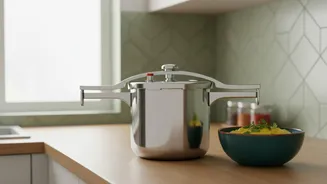
While checking for debris is critical, other habits contribute to safe pressure cooking. Never overfill your cooker. A common rule is to not fill it more than two-thirds full, and only half-full for foods that foam or expand, like lentils, beans, and rice. Overfilling can cause these foods to froth up and block the vents from the inside. Always use enough liquid—at least a cup, unless a recipe specifies otherwise—as the cooker needs it to generate steam. Finally, respect the pressure. Never try to force the lid open. If it doesn't open easily, it means there is still pressure inside. Wait for it to release naturally or use the quick-release method as directed by your manual, always keeping your hands and face away from the steam vent.