


The mountains are magnificent, but they are unforgiving. A recent, fatal incident in Nepal's trekking region serves as a grim reminder of this truth, sparking urgent conversations about whether trekkers and guides are taking deadly risks by ignoring alerts.
A Familiar, Tragic Story
In what is becoming an all-too-common headline, a group of trekkers was recently caught in a sudden, violent blizzard in one of Nepal's popular high-altitude regions. What started as a dream adventure turned into a desperate fight for survival against blinding snow and plummeting temperatures. The aftermath was tragic, involving multiple fatalities and harrowing tales of rescue. While every loss of life in the mountains is unique and devastating, this incident was reportedly preventable. Early weather reports had clearly indicated a severe storm system was moving in, raising the most painful question of all: why were they still on the trail?
The Challenge of Mountain Weather
Forecasting weather in the Himalayas is notoriously difficult. The region's extreme topography creates volatile microclimates where conditions can shift from sunny to life-threatening in a matter of hours. However, forecasting technology has improved significantly. The Department of Hydrology and Meteorology in Nepal now issues regular, and often accurate, bulletins. The problem often lies not in the lack of a warning, but in its dissemination and reception. In remote valleys with limited connectivity, a critical alert may not reach trekking groups in time. More troublingly, however, there are increasing reports of guides and independent trekkers receiving warnings but choosing to push forward, underestimating the ferocity of the predicted storm.
Rules on Paper vs. Reality on the Trail
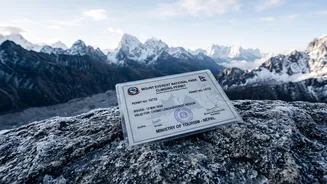
To mitigate such dangers, Nepal has established a framework of safety rules. As of recent regulations, solo trekking has been banned in most areas, making it mandatory for foreign trekkers to hire a licensed guide. Trekkers are also required to obtain a 'Trekkers' Information Management System' (TIMS) card, which helps authorities track their general location. These rules are designed to ensure that every group is accompanied by a local expert who understands the terrain and its risks. But experts argue that rules are only as effective as their enforcement. The pressure to complete an itinerary on a tight schedule, coupled with the financial incentive for guides to keep their clients moving, can lead to a dangerous form of 'summit fever' where caution is thrown to the wind.
The Human Element of Risk
Ultimately, many incidents boil down to human judgment. For trekkers who have spent thousands of rupees and travelled far, the temptation to push on to reach a destination like Everest Base Camp or Annapurna Sanctuary is immense. Turning back can feel like a personal failure. For guides, their livelihood depends on successful treks and satisfied clients. This can create a perilous dynamic where guides may be reluctant to make the unpopular but safe call to halt a trek, especially if clients insist on proceeding. This 'client is always right' mentality has no place at 5,000 metres, where the guide's primary responsibility must be safety, not customer service. Ignoring a guide's advice is a frequent contributor to accidents, but so is a guide's reluctance to give firm, life-saving direction.
A Shared Responsibility for Safety
The latest incident has reignited calls for stricter enforcement and better education. Trekking agencies are being urged to empower their guides to make unilateral safety decisions without fear of financial penalty. There are also proposals for mandatory safety briefings that soberly outline the risks and the absolute authority of the guide. Some have suggested integrating real_time weather alert systems into the TIMS card infrastructure, sending automated SMS warnings to registered guides. However, technology is not a panacea. The core issue remains a cultural one: fostering a deep_seated respect for the mountain environment and understanding that a safe return is the only true summit.