








Why Eat Seasonally?
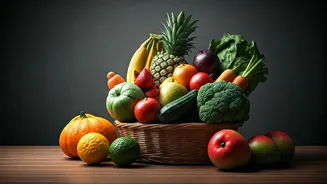
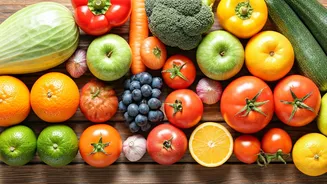
Choosing seasonal produce is one of the simplest ways to improve your diet and well-being. When fruits and vegetables are harvested at their natural peak, they are fresher, more delicious, and packed with higher levels of vitamins and minerals. This natural abundance
also means they are often more affordable and accessible in local markets. Eating with the seasons aligns our bodies with nature's rhythm, providing the specific nutrients we need for the climate. For instance, the hydrating fruits of summer and immunity-boosting produce of the monsoon are perfectly suited to the body's needs during those times. Furthermore, buying seasonal and local supports farmers and reduces the environmental footprint associated with long-distance food transportation.
Jamun (Indian Blackberry)
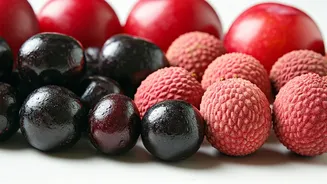
The deep purple Jamun is a quintessential monsoon fruit, eagerly awaited for its unique sweet and tart flavour. Available from June through July, this fruit does more than just stain your tongue; it's a nutritional powerhouse. Traditionally used in Ayurvedic medicine, Jamun is celebrated for its ability to help regulate blood sugar levels, making it beneficial for those managing diabetes. It is also a rich source of iron and Vitamin C, which helps in boosting haemoglobin levels and strengthening the immune system against common monsoon ailments. Enjoy them fresh with a sprinkle of black salt, or blend them into smoothies and popsicles.
Peach (Aadu)
Juicy, fragrant, and wonderfully sweet, peaches arrive with the early monsoon, especially from the cooler hill regions of northern India. Their soft, fuzzy skin and tender flesh make them a delightful treat. Peaches are an excellent source of Vitamin C and antioxidants that contribute to healthy skin by fighting free radicals. They are also rich in dietary fibre, which aids digestion and promotes a feeling of fullness. Whether eaten fresh as a snack, sliced into salads, or grilled for a smoky dessert, their versatile flavour is a highlight of the season.
Corn (Bhutta)
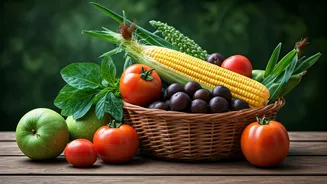
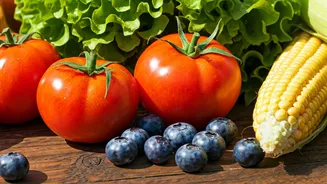
The sight and smell of roasted corn on the cob is synonymous with the Indian monsoon. This beloved street-side snack, often rubbed with lime, salt, and spices, is at its freshest and most tender during the rainy season. Corn, also known as maize, is a good source of fibre, which is crucial for digestive health. It also provides essential minerals and B vitamins. Beyond the classic roasted bhutta, you can enjoy fresh corn kernels in salads, soups, and curries. It’s a versatile crop that brings both comfort and nutrition to the monsoon table.
Okra (Bhindi)
Okra, or Bhindi, is a staple vegetable in Indian households that thrives during the warm, humid monsoon months. This is when you'll find it at its most tender and flavourful. Okra is a low-calorie vegetable packed with nutrients. It is particularly rich in fibre, which helps with digestion, and is a good source of vitamins C and K. While some are put off by its mucilaginous texture, proper cooking methods like quick stir-frying or roasting can minimize this, resulting in a delicious and crispy dish. Its adaptability makes it a perfect addition to curries, stir-fries, and as a simple fried side.
Bottle Gourd (Lauki)
Often considered a humble vegetable, bottle gourd is an unsung hero of the monsoon kitchen. With its high water content (over 90%), it is incredibly hydrating and cooling for the body, making it easy to digest. Lauki is low in calories and rich in vitamins and minerals, making it excellent for weight management and overall health. Its mild flavour allows it to absorb the spices it's cooked with, making it a versatile ingredient for a variety of dishes, from simple curries and soups to nutritious juices and even desserts like halwa.