



Why Your New Car Costs More This Year
Several major automakers, including Maruti Suzuki, Hyundai, and Tata Motors, have announced price hikes leading into the festive period. This isn't a coordinated move, but a reaction to a shared set of economic pressures that have been building for months.
The primary reason cited by manufacturers is the rising cost of raw materials. Key commodities like steel, aluminium, rubber, and plastics, which are essential for building a car, have become more expensive. Beyond materials, the cost of implementing stricter government regulations, such as the latest emission and safety norms, has also added to the final price. Automakers have absorbed these costs for as long as possible, but are now passing a portion of the burden onto customers to protect their operations. For some brands, particularly those with significant import reliance like BMW, rupee depreciation and higher logistics expenses have also played a role.
Which Segments Are Most Affected?
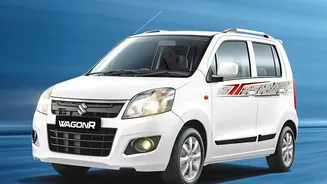
The price increases are not uniform across all models and variants. Companies are implementing hikes ranging from a percentage of the car's cost to a flat amount, such as Tata's increase of up to ₹25,000 from September. While price bumps are happening across both internal combustion engine (ICE) and electric vehicles (EVs), feature-rich cars and popular segments like SUVs may see more noticeable revisions. This is because they use more components and advanced technology, which are subject to cost inflation. Entry-level hatchbacks might see smaller absolute increases, but even a marginal hike can be significant for first-time buyers. For EVs, the increasing cost of battery components has been a specific challenge mentioned by manufacturers like Tata Motors.
Strategy 1: Rethink Your 'Must-Haves'
With higher sticker prices, the first step is to create a realistic budget that accounts for the new market reality. This is an excellent opportunity to distinguish between 'must-have' features and 'nice-to-have' ones. Do you truly need the top-end variant with a sunroof and premium sound system, or would a mid-tier variant with essential safety features suffice? Focusing on core needs—like safety, fuel efficiency, and reliability—can help you find a vehicle that fits your budget without feeling like a compromise. Remember to factor in the total cost of ownership, which includes not just the EMI but also rising insurance premiums, fuel costs, and maintenance. A car that is cheaper to buy might be more expensive to run in the long term.
Strategy 2: The Art of Timing and Negotiation
While the festive season traditionally brings discounts, the current climate of price hikes might make cash discounts smaller than in previous years. However, this doesn't mean you have no room to negotiate. Dealers still have targets to meet. Consider shopping during periods like Navratri or Dussehra in October rather than waiting for the peak Diwali rush in November. Sometimes, buying at the end of the month can also work in your favour as sales teams rush to close their monthly targets. Don't just focus on the ex-showroom price. Negotiate on other aspects like free accessories, a better deal on your insurance policy (you are not obligated to buy it from the dealer), or a waiver on documentation charges.
Strategy 3: Expand Your Search Horizons
If the 2026 models are stretching your budget, consider looking at vehicles manufactured in the previous year (MY2025). Dealers are often highly motivated to clear out old stock to make way for new inventory and may offer substantial discounts on these brand-new, unregistered cars. Another excellent avenue is the certified pre-owned market. Organised used-car platforms now offer vehicles with warranties and a full service history, providing peace of mind at a significantly lower price point. This allows you to potentially afford a larger or more premium vehicle than you could if buying new. The influx of owners upgrading to the latest models during the festive season often means a fresh supply of well-maintained used cars enters the market.