




The Modern Malaise of Screen Fatigue
If your day involves staring at a laptop, phone, or tablet, you know the feeling. It starts with dry, itchy eyes, progresses to a dull headache behind your temples, and often ends with a feeling of mental exhaustion that a fresh cup of chai can’t fix.
This is screen fatigue, or what ophthalmologists call Computer Vision Syndrome (CVS). It’s a collection of symptoms caused by the prolonged use of digital devices. Our eyes aren’t designed to stare at a fixed, glowing rectangle for eight hours a day. They have to work harder to focus, leading to strain. Add to that the physical stillness of desk work, and you have a recipe for discomfort. Poor posture leads to neck and shoulder pain, while a sedentary lifestyle is linked to a host of long-term health issues. It’s a modern problem that has become almost universal in the professional world.
Enter the Tiny Walking Break
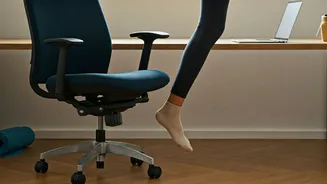
In response to this digital drain, many people are discovering the power of a simple, almost laughably small, intervention: the tiny walking break. This isn’t about hitting the gym for an hour or going for a 5K run at lunch. It’s about intentionally stepping away from your screen for just two to five minutes every hour. It could be a walk to the kitchen to get water, a quick loop around the office floor, or a few minutes spent pacing on your balcony. The goal isn't exercise in the traditional sense; it's about creating a deliberate disruption. By physically removing yourself from your screen and moving your body, you’re hitting a reset button for both your eyes and your brain. This micro-habit is emerging as a powerful, low-effort strategy to counteract the negative effects of a screen-heavy day.
The Science Behind the Stroll
Why is such a small action so effective? The benefits are rooted in basic physiology and psychology. First, it helps your eyes. The well-known 20-20-20 rule—looking at something 20 feet away for 20 seconds every 20 minutes—is a great start, but a walking break forces you to do this on a larger scale. As you walk, your eyes naturally shift focus between near and far objects, giving your overworked focusing muscles a much-needed rest. Second, it gets your blood flowing. Sitting for long periods can cause blood to pool in your legs, making you feel sluggish. A short walk boosts circulation, delivering fresh oxygen to your brain and muscles, which can instantly improve alertness and reduce that feeling of lethargy. Finally, it provides a mental break. Stepping away from a task, even for a few minutes, can help you come back to it with a fresh perspective, potentially boosting creativity and problem-solving skills.
How to Take a Better Tiny Break
Making these breaks effective is about intention. Mindlessly scrolling through your phone while walking to the water cooler defeats the purpose. Here’s how to do it right: 1. **Set a Timer:** Don't wait until you feel exhausted. Use a timer on your phone or computer to remind yourself to get up every 30 to 60 minutes. 2. **Go Screen-Free:** Leave your phone at your desk. The point is to give your eyes and mind a break from digital input. Let your mind wander or simply notice your surroundings. 3. **Change Your Scenery:** If possible, walk to a different environment. A short walk outside to get some natural light is ideal, but even walking to a window and looking out can make a difference. 4. **Focus on Movement, Not Speed:** You don't need to power-walk. A gentle stroll is enough to get the blood flowing. Focus on your posture and take a few deep breaths as you move.
Making It an Unbreakable Habit
The biggest challenge is consistency. When you're on a deadline or deep in concentration, it's easy to ignore the alarm and push through. To make it stick, try habit stacking. Link your tiny walk to an existing routine. For example, decide to take a walk after every call you finish or every time you send a significant email. Another strategy is to find a 'break buddy' in your office or even a friend you can text to keep each other accountable. Start small—even one or two intentional breaks a day is better than none. As you begin to feel the benefits of reduced eye strain and increased energy, you'll find it easier to make it a non-negotiable part of your workday.