


First, Is ₹35,000 Even Realistic?
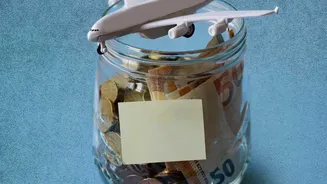
Let’s be clear: this budget is tight but achievable. The ₹35,000 figure primarily covers your expenses on the ground for seven days—accommodation, food, transport, and activities. It generally excludes the cost of round-trip international flights, which
can vary wildly. Some travel reports suggest a budget trip can be done for ₹35,000-₹50,000. To hit this target, you’ll need to travel during the shoulder season (like September-October), book flights far in advance to snag deals, and live like a savvy local, not a tourist.
The Visa Process for Indians
Getting a visa for Vietnam is straightforward for Indian passport holders. The most popular option is the e-visa, which allows for a stay of up to 90 days. The government fee for a single-entry e-visa is approximately $25 USD (around ₹2,100-₹2,500). The application is entirely online and typically takes 3 to 5 business days to process, so it's best to apply at least two weeks before your trip. Always use the official government portal to avoid paying extra fees to third-party agents.
Hack Your Flights and Accommodation
Flights are the biggest variable. Use flight aggregators to compare prices from airlines like VietJet Air, which often has promotional fares. Flying from cities like Kolkata or Chennai can sometimes be cheaper. For stay, Vietnam's hostel network is your best friend. A dorm bed in a clean, well-located hostel in cities like Hanoi or Ho Chi Minh City can cost as little as ₹500-₹900 per night (150,000-280,000 VND). These hostels are not just for sleeping; they are great places to meet other travellers and book affordable tours.
Eat Deliciously for Under ₹800 a Day
Vietnamese street food is legendary, delicious, and incredibly cheap. A budget traveller can comfortably eat for about 250,000-400,000 VND per day (roughly ₹800-₹1,300). A filling bowl of Pho (noodle soup) or a Banh Mi (Vietnamese sandwich) can cost between 30,000 to 60,000 VND (₹100-₹200). Stick to street stalls and local markets where the locals eat. The food is authentic, and prices are a fraction of what you'd pay in tourist-centric restaurants. A full day of eating is possible for under $10 USD.
Getting Around on a Shoestring
Within cities, ride-hailing apps like Grab are a cheap and convenient way to get around on a motorbike or in a car. For longer distances between cities like Hanoi and Da Nang, overnight sleeper buses or trains are a fantastic option. They save you money on a night's accommodation and are an experience in themselves. A ticket for a long-haul bus journey can be very affordable, making it a popular choice for budget backpackers.
Free and Low-Cost Activities
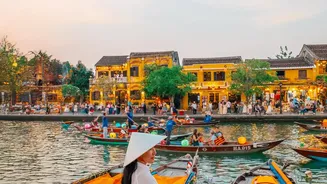
Vietnam is full of amazing experiences that cost little to nothing. Walking around the Old Quarter in Hanoi or exploring the vibrant streets of Ho Chi Minh City is completely free. Many temples and pagodas have no entrance fee. Enjoying the local life at Hoan Kiem Lake in Hanoi or relaxing on the public beaches in Da Nang are other great ways to soak in the culture without spending money. For paid attractions, entry fees are usually minimal, often just a dollar or two.
Sample 7-Day Budget Breakdown (Excluding Flights)
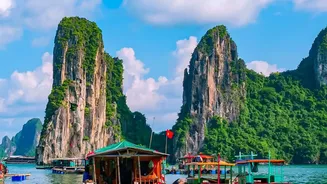
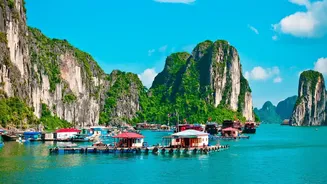
Here’s a sample breakdown to see how ₹35,000 (around 9,500,000 VND) can be managed: Visa: ₹2,500 (675,000 VND) Accommodation: ₹5,600 for 7 nights in hostels (approx. 1,500,000 VND) Food: ₹7,000 for 7 days of street food and local eats (approx. 1,900,000 VND) Local Transport: ₹5,000 for city travel and one overnight bus (approx. 1,350,000 VND) * Activities & Miscellaneous: ₹14,900 for entry fees, tours, and buffer (approx. 4,000,000 VND) This aggressive budget requires discipline but leaves room for key experiences like a Halong Bay day tour if planned carefully.