

The Ghost in the Kitchen
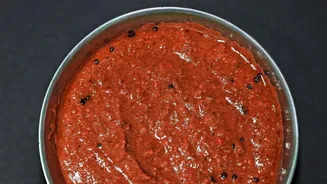
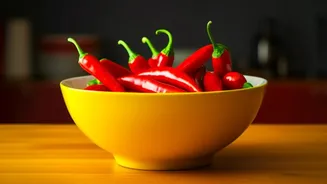
Native to the northeastern states of India, the Bhut Jolokia is a cultural icon. Revered in Assam, Nagaland, and Manipur, it’s a staple ingredient used to make pickles, flavour curries, and create searingly hot chutneys that accompany daily meals. For
generations, it has been an essential part of the region's cuisine, which favors simple cooking techniques like smoking and boiling that allow fresh, local ingredients to shine. But the Bhut Jolokia is more than just a source of extreme heat, which can exceed one million Scoville Heat Units. Beneath its fiery power lies a complex flavour profile that is surprisingly sweet, fruity, and even a little smoky. It is this unique combination of taste and intensity that has finally captured the imagination of chefs far beyond its homeland.
From Local Fire to Urban Experiment
A culinary shift is underway in India. Chefs in metropolitan hubs like Delhi and Mumbai are increasingly looking inward, celebrating indigenous ingredients that were once overlooked in favour of international imports. This movement has created the perfect opportunity for the Bhut Jolokia to make its grand entrance. Young chefs and restaurateurs, some with roots in the Northeast, are using the chilli as a way to introduce the region's distinct flavours to a mainstream audience. It's part of a broader trend of spotlighting unique regional produce, from Meghalaya’s crunchy sohphlang tuber to the fragrant Gondhoraj lime of Bengal. The goal isn't just to add heat; it’s to explore a new dimension of Indian flavour.
The New Fiery Plates
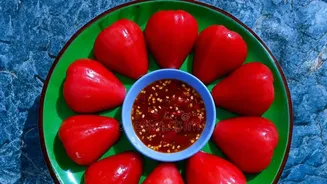
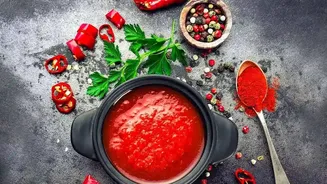
The fusion applications for Bhut Jolokia paste are proving to be remarkably versatile. The chilli is no longer confined to traditional preparations. Instead, it’s appearing in unexpected places, from pork ribs smoked in the chilli to spicy dips served alongside momos. Some cafes are incorporating ghost pepper sauces into burgers and sandwiches, while others are creating daring cocktails that feature its signature smoky heat. These creations are not for the faint of heart, but they are carefully constructed. Chefs are discovering that a tiny amount of Bhut Jolokia paste can transform a dish, adding an unforgettable burn and a layer of fruity complexity that pairs surprisingly well with everything from cheese to chocolate.
More Than Just a Dare
Using the Bhut Jolokia correctly requires considerable skill. The trend is moving beyond the shock value that made the pepper a viral sensation in eating challenges. Today's chefs are focused on balance. They understand that the pepper's heat should be a component, not the entire experience. It's about harnessing the flavour without letting the fire overwhelm the palate. This means carefully calibrating the amount of paste used, often pairing it with cooling ingredients like dairy or sweet elements to create a more rounded and enjoyable, albeit intense, dish. This thoughtful approach separates a culinary gimmick from a genuine innovation, proving that the Bhut Jolokia can be a tool for sophisticated flavour-building.
A Delicious Bridge of Flavours
Ultimately, the rise of the Bhut Jolokia in urban cafes is about more than just a spicy new trend. It represents a delicious form of cultural exchange. For many Indians, the cuisines of the Northeast have remained largely unfamiliar. By incorporating a signature ingredient like the ghost pepper into accessible, fusion-style dishes, chefs are building a bridge between different parts of the country. It’s an introduction that fosters curiosity and appreciation for the rich culinary heritage of Northeast India, a region with a deep and complex food culture based on fermentation, smoking, and an abundance of unique herbs and produce. Each spicy bite becomes an invitation to explore a world of flavours that has been hiding in plain sight.