


As Jaipur prepares to celebrate its 300th anniversary in 2027, a major international honour has arrived early. The city's recent inclusion on National Geographic's 'Best of the World 2027' list is a fitting tribute to its enduring legacy.
A Global Stamp of Approval
National Geographic
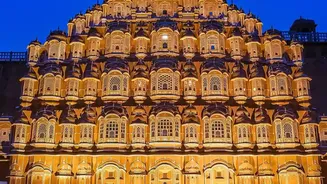
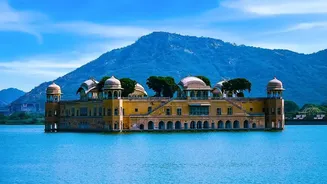
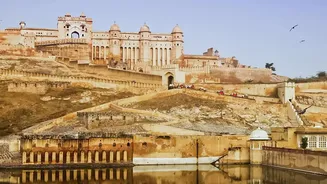
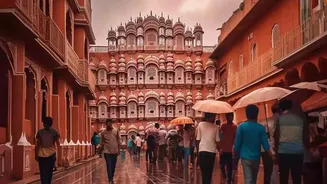
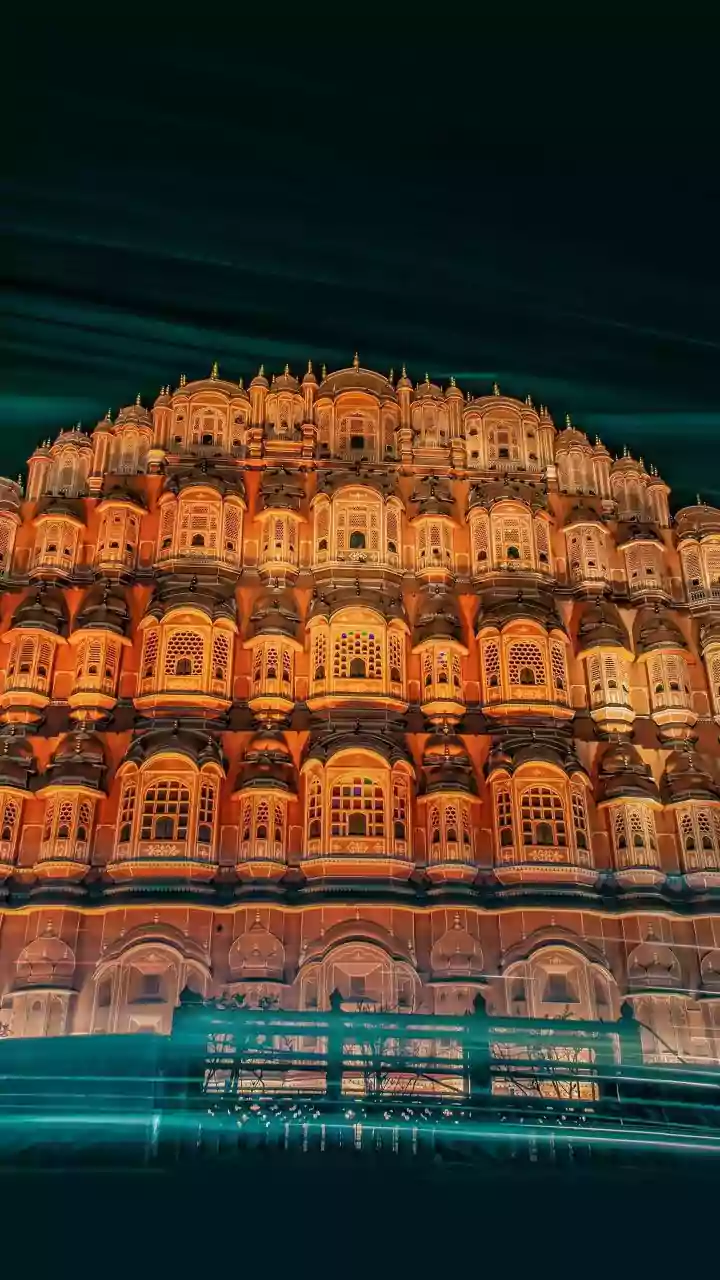
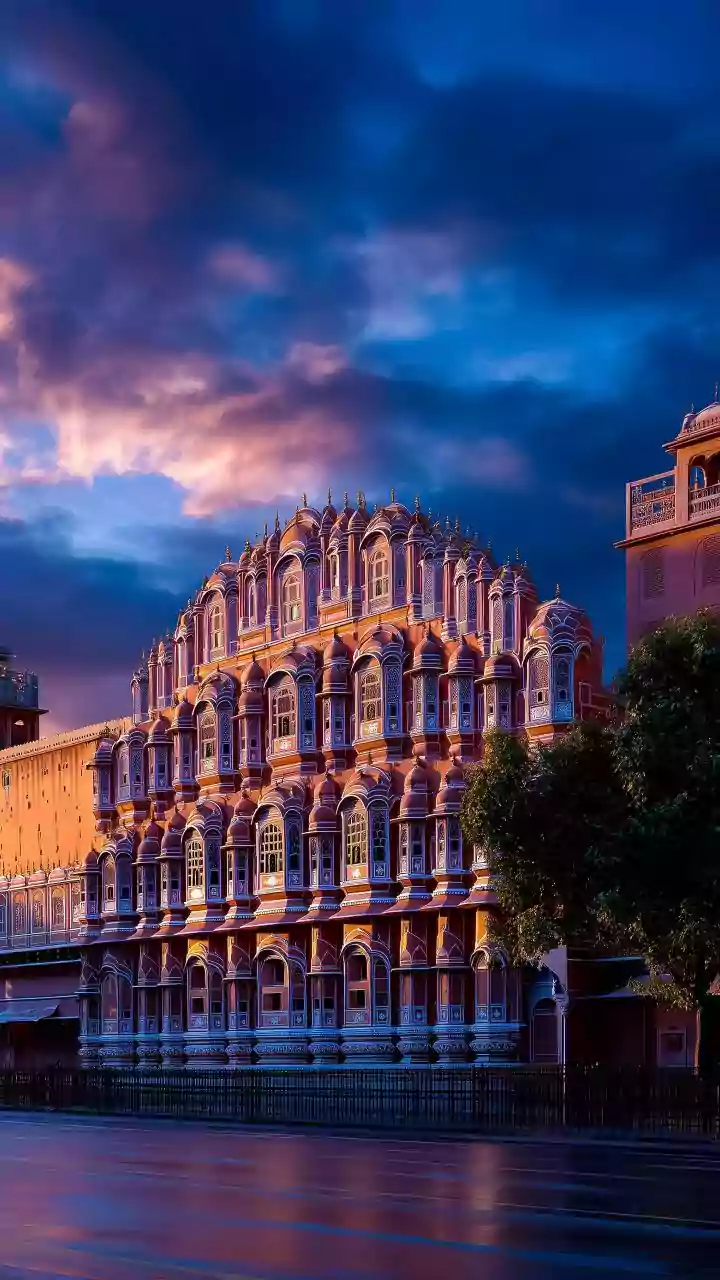
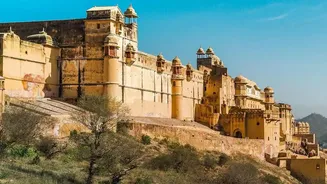
recently unveiled its much-anticipated 'Best of the World 2027' list, and among the 25 global destinations featured is India's own Pink City. The honour isn't a ranking but a curated selection of places offering unique cultural experiences, and Jaipur's inclusion is directly tied to its upcoming tricentennial. The publication highlighted the city's majestic architecture, which blends Indian and Islamic styles, from grand sandstone forts to ornate palaces. This accolade puts Jaipur in the international spotlight, recognizing it as a must-visit destination for its rich history and vibrant cultural life.
The Vision of an Astronomer King
The upcoming celebrations in 2027 mark 300 years since Jaipur was founded by Maharaja Sawai Jai Singh II in 1727. A keen astronomer and scholar, he envisioned a new capital to replace the nearby, water-scarce Amber. With the help of architect Vidyadhar Bhattacharya, Jaipur was conceived as one of India’s first planned cities, designed on a grid system based on ancient Hindu architectural principles of Vastu Shastra. The city was divided into nine blocks, with wide, straight avenues and designated areas for public use, palaces, and state buildings—a testament to a vision that was centuries ahead of its time.
The Story Behind the Pink City
While founded in the 18th century, Jaipur earned its famous 'Pink City' moniker much later. In 1876, to welcome Albert Edward, the Prince of Wales, Maharaja Sawai Ram Singh II ordered the city's buildings to be painted a terracotta pink, a colour historically associated with hospitality. The prince reportedly loved the gesture and nicknamed the city, a name that has endured ever since. The queen was so fond of the new colour scheme that the Maharaja passed a law in 1877 making it illegal to paint buildings in the historic centre any other colour, a rule that helps maintain the city's unique aesthetic to this day.
Where Heritage is a Living Practice
Jaipur's appeal extends far beyond its stunning architecture. The city, whose walled core became a UNESCO World Heritage Site in 2019, is a bustling hub of living traditions. It is renowned for centuries-old craftsmanship, including hand-block printing, blue pottery, and exquisite jewellery making. This artistic spirit is complemented by modern cultural events like the world-renowned Jaipur Literature Festival, which will mark its 20th edition in January 2027. This blend of ancient crafts and contemporary culture is a key reason for its place on National Geographic's prestigious list.
Preparing for a Tricentennial Celebration
The Rajasthan government and local community groups are gearing up for the 300th anniversary. The Jaipur Vyapar Mahasangh, a traders' association, has launched a yearlong campaign focusing on heritage conservation, cleanliness, and better traffic management within the Walled City. Their plans include street plays, selfie points, and a push for a uniform pink colour scheme for shops to reinforce the city's identity. While official government celebrations are now planned to commence after the anniversary in November 2027, the entire year is set to be a period of reflection and festivity, honouring Jaipur's remarkable journey.