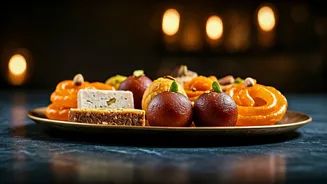

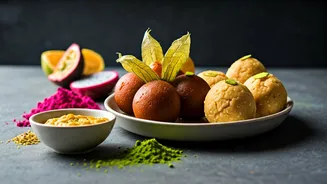


From Halwai to Haute Cuisine
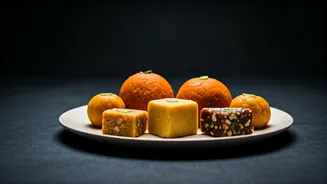
The familiar neighbourhood halwai shop, for generations the heart of festive and everyday celebrations, is seeing a new kind of companion on the sweet scene. [3, 15] Artisanal and new-age mithai makers are transforming the Indian dessert landscape, moving
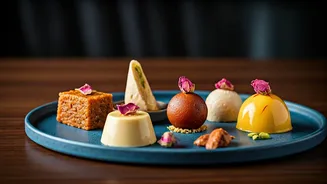
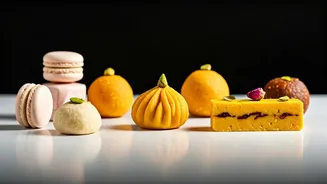
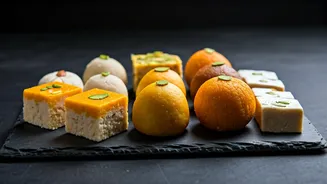
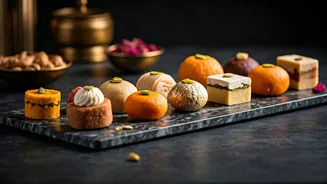
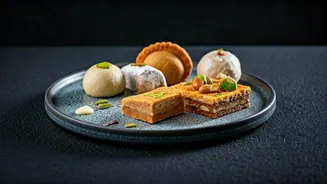
sweets from a purely traditional, festive category to an everyday, premium indulgence. [2] Brands like Bombay Sweet Shop, Khoya, and Misree are at the forefront, treating mithai with the same reverence as a French patisserie would a macaron. [3, 7] They are re-packaging and prettifying desi sweets in ways never seen before, focusing on storytelling, high-quality ingredients, and innovative flavour combinations to appeal to a younger generation that values both novelty and nostalgia. [2, 15] The goal isn't to replace the classics, but to elevate them into a modern, sophisticated experience, making them relevant to contemporary palates. [6, 8]
The Fusion Flavour Play
One of the most exciting aspects of this dessert renaissance is the bold fusion of flavours. [20] Imagine the syrupy goodness of a Gulab Jamun combined with the creamy texture of a cheesecake, or a traditional Rasgulla getting a fruity makeover with fresh mango puree. [6] These creative concoctions blend the best of both worlds—traditional Indian tastes with Western dessert techniques. [13] Brands are experimenting with everything from Coffee Rasgulla Tiramisu and Gulab Jamun Churros to Badam Halwa Croissants. [2, 5] Flavours like salted caramel, Biscoff, and matcha are being introduced to classic Indian bases, creating entirely new taste profiles. [2, 20] Even boozy delights have entered the scene, with creations like Whiskey and Red Wine Laddoos from brands such as Nihira. [7] This culinary crossover offers the comfort of familiar sweets in a globally inspired format. [13]
An Ingredient-First Philosophy
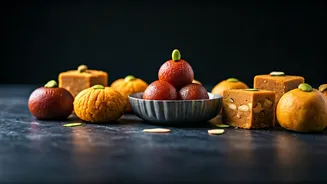
What truly defines these reimagined desserts as 'premium' is an unwavering focus on the quality of ingredients. While traditional mithai relies on staples like sugar, milk, and ghee, these new-age brands are elevating the game with superior alternatives. [20] Many are adopting an ingredient-first philosophy, sourcing organic, single-origin products to enhance flavour and authenticity. [20] You'll find high-end nuts like macadamias and hazelnuts, French vanilla, and Belgian chocolate making their way into barfis and laddoos. [3, 20] Furthermore, there is a growing emphasis on health-conscious variations. Brands like Gur Chini are using natural sweeteners like stevia, honey, and dates, while others are creating sugar-free or low-sugar options to cater to a more health-aware clientele. [7, 8] Quinoa kheer and date-and-nut laddoos are prime examples of how nutrition is being integrated without compromising on taste. [6]
It’s All in the Presentation
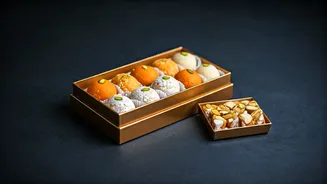
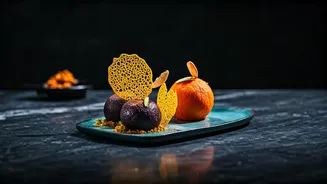
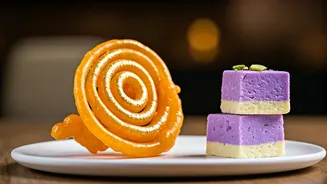
In the age of social media, visual appeal is as important as taste, and premium dessert brands have mastered this art. [20] Gone are the days of simple cardboard boxes; today's gourmet mithai is presented in luxuriously designed packaging that makes it a desirable gift. [3, 8] Brands like Arq are known for sweets that look like individual works of art, sometimes adorned with edible gold or silver leaf. [7, 20] The presentation extends to the dessert itself, with creations like deconstructed Motichoor Ladoo parfaits served in elegant glasses and traditional Kulfi being reshaped into playful popsicles. [6] This focus on aesthetics turns the simple act of eating a sweet into a complete sensory experience, from the unboxing to the final, delicious bite. It's a strategy that has successfully repositioned mithai from a simple sweet to a modern lifestyle product. [16]