





The Promise vs. The Reality
Artificial intelligence has entered the kitchen with a bold promise: to take the mental load out of meal planning. In theory, these digital chefs can generate weekly menus, create shopping lists, and cater to your specific health goals. However, many
users in India quickly run into a frustrating reality. The AI, often trained on Western culinary datasets, suggests recipes calling for zucchini, quinoa, and kale, when your pantry is stocked with lauki, bajra, and palak. This disconnect turns a tool meant to simplify life into another source of stress, forcing you to either hunt for expensive, imported ingredients or abandon the plan altogether. The initial excitement fades, replaced by the feeling that these tools weren't designed for your kitchen or your culture.
Why Local and Familiar Matter
The push for local ingredients is about more than just convenience; it's about better food and a healthier lifestyle. Local produce is fresher, more nutritious, and often more affordable than its imported counterparts. Cooking with seasonal ingredients ensures you’re eating what is naturally best at that time of year, from juicy mangoes in the summer to hearty greens in the winter. Furthermore, using familiar ingredients means the recipes will align with your palate and cultural tastes. A meal plan built around dal, sabzi, roti, and rice is far more sustainable for an Indian household than one demanding daily salads and quinoa bowls. It supports local farmers, reduces your carbon footprint, and, most importantly, provides the comfort and satisfaction of a home-cooked meal you genuinely enjoy.
The Great Measurement Mix-Up
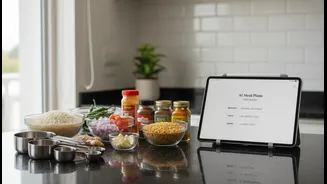
Another significant hurdle is the measurement fiasco. A recipe that calls for ingredients in grams and millilitres can bring your cooking to a halt if you’re used to the Indian system of cups and spoons, or the intuitive 'andaaz' (estimation) passed down through generations. While some apps allow you to switch between metric and imperial systems, they often lack the nuance of regional Indian cooking measurements. The process of converting units is tedious and prone to error, risking the texture of a batter or the balance of spices in a curry. For a tool to be truly useful, it must speak the user's language—not just in words, but in the practical units of a working kitchen. A truly smart planner would understand that a 'cup' in a Mumbai kitchen might differ from one in Delhi and adapt accordingly, or offer visual portion guides.
How to Train Your Digital Sous Chef
The good news is that you can guide most modern AI tools to produce better, more relevant results. The key lies in providing specific, detailed prompts. Instead of a vague request like "create a healthy meal plan," try being explicit about your context. For example: "Generate a 7-day vegetarian meal plan for a family in North India using common seasonal vegetables available in July. The recipes should use standard Indian cup and spoon measurements and be suitable for lunch and dinner." You can also specify ingredients you have on hand to reduce food waste or list items you want to avoid. The more context you provide—mentioning cuisines you like (e.g., Punjabi, South Indian), dietary needs, and cooking time constraints—the more personalized and useful the output will be.
The Future is Hyper-Local
As AI technology evolves, we are beginning to see the emergence of platforms designed specifically for the Indian user. These next-generation meal planners are trained on vast databases of regional Indian dishes, from poha and dosa to thekua and undhiyu. They understand the nuances of Indian cooking methods, local ingredient availability, and even integrate with grocery delivery services. Some platforms are already being developed to create plans based on what’s already in your pantry, aiming to tackle food waste. The ultimate goal is an AI assistant that feels less like a foreign consultant and more like a knowledgeable family elder, offering suggestions that are both healthy and deeply connected to your culinary heritage.