

Beyond the Comfort of Fried Food
When the skies turn grey, the default culinary response in many Indian households is to heat up a kadai of oil. There's an undeniable magic to crispy, fried snacks like samosas and bhajiyas, especially when paired with a hot cup of chai. However, a platter
composed entirely of fried foods can often feel heavy and monotonous. The modern approach to a rainy-evening spread is all about balance and thoughtful composition. It’s about creating a journey of flavours and textures that delights the palate without overwhelming it. By incorporating different cooking methods—specifically steaming and griddling—alongside fresh, crunchy elements, you can assemble a spread that is both comforting and refreshingly complex. This approach celebrates variety, ensuring every bite is a new experience.
The Gentle Warmth of Steam
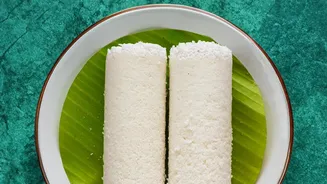
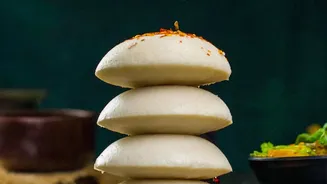
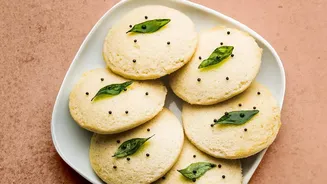
Steaming is a culinary technique that embodies comfort. Steamed foods are light, moist, and gentle on the stomach, making them a perfect foundation for your snack platter. They provide a soft, pillowy contrast to the sharper textures of other components. Think of delicate rice flour pankis, soft Gujarati muthia made from bottle gourd, or classic Khaman Dhokla. These items are not only delicious but also healthier, absorbing the warmth and aroma of their ingredients without the added weight of oil. South Indian staples like idlis, served with a flavourful chutney, or even savoury dumplings like paneer or vegetable momos, can serve as the comforting heart of your spread. The idea is to have a component that is purely about soft, yielding comfort.
Adding Sizzle and Char from the Griddle
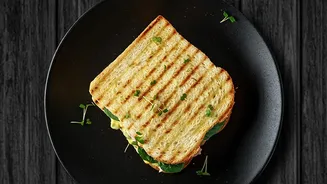
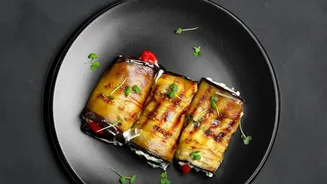
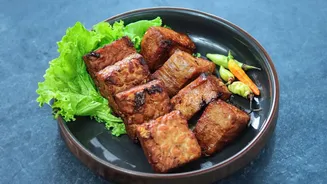
While steamed foods offer softness, griddled items bring a robust flavour and a satisfying, slightly charred exterior. The direct, dry heat of a tawa or grill pan creates a delightful crispiness that can't be achieved with deep-frying. This is where you can introduce heartier elements. Consider Hara Bhara Kababs, which are wonderfully crisp on the outside while remaining soft inside. Paneer tikkis or spicy grilled paneer, marinated in yoghurt and spices before being pan-seared, offer a smoky flavour and a firm bite. Even simple vegetables can be transformed on the griddle; roasted corn (bhutta), seasoned with lemon and chaat masala, is a monsoon classic for a reason. Aloo tikki or Moong Dal Chilla, cooked on a tawa until golden, also provide that essential crisp-but-not-greasy element.
The Critical Role of Freshness and Crunch
A snack platter can feel one-dimensional without a fresh, palate-cleansing component. This is where fresh elements and raw textures come in. A simple kachumber salad (Indian onion salad) or a bowl of zesty laccha pyaaz provides a sharp, crunchy contrast that cuts through the richness of the cooked items. A cooling cucumber or beet raita serves a similar purpose, offering a creamy, refreshing counterpoint to spicier snacks. Don't underestimate the power of chutneys and pickles; a tangy tamarind chutney, a vibrant mint-coriander chutney, or a sharp mango pickle can elevate every other component on the plate. These fresh additions ensure the eating experience remains light and engaging from start to finish.
Assembling Your Perfect Platter
Building the perfect rainy-day platter is an exercise in balance. Aim to have at least one item from each category: one steamed, one griddled, and one fresh. Think about how the textures will play off each other. For example, you could pair soft dhoklas with crisp paneer tikkis and a side of crunchy onion salad. Or, serve delicate steamed pathrode alongside griddled corn chaat and a cooling pineapple raita. Arrange the items on a large board or tray, placing the dips and chutneys in small bowls. The visual appeal of a colourful, well-arranged platter is part of the experience. We eat with our eyes first, and a mix of colours and shapes makes the spread instantly more exciting. Finish with a final textural flourish—a sprinkle of sev, some roasted peanuts, or a few crisp papads for that extra crunch.