

The Rise of the 'Yes' Weekend
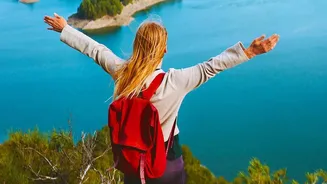
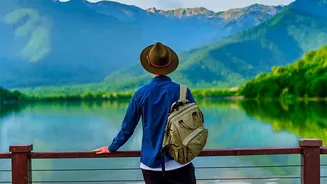
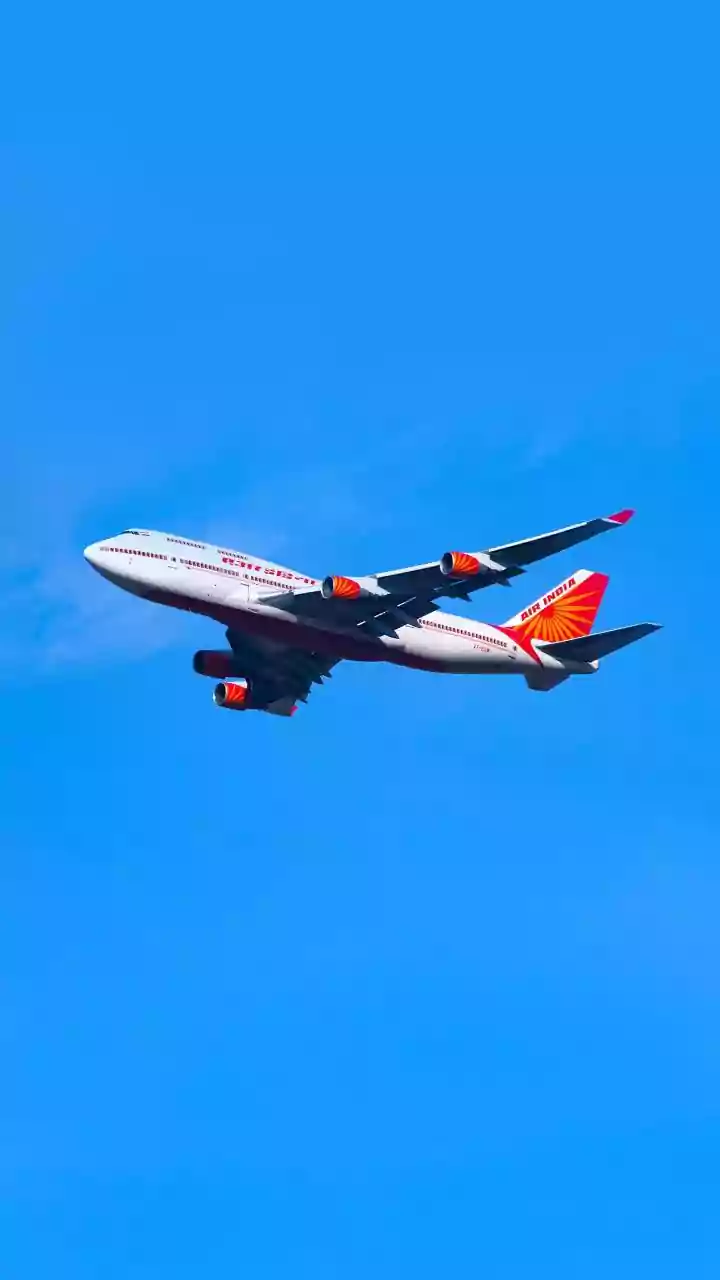
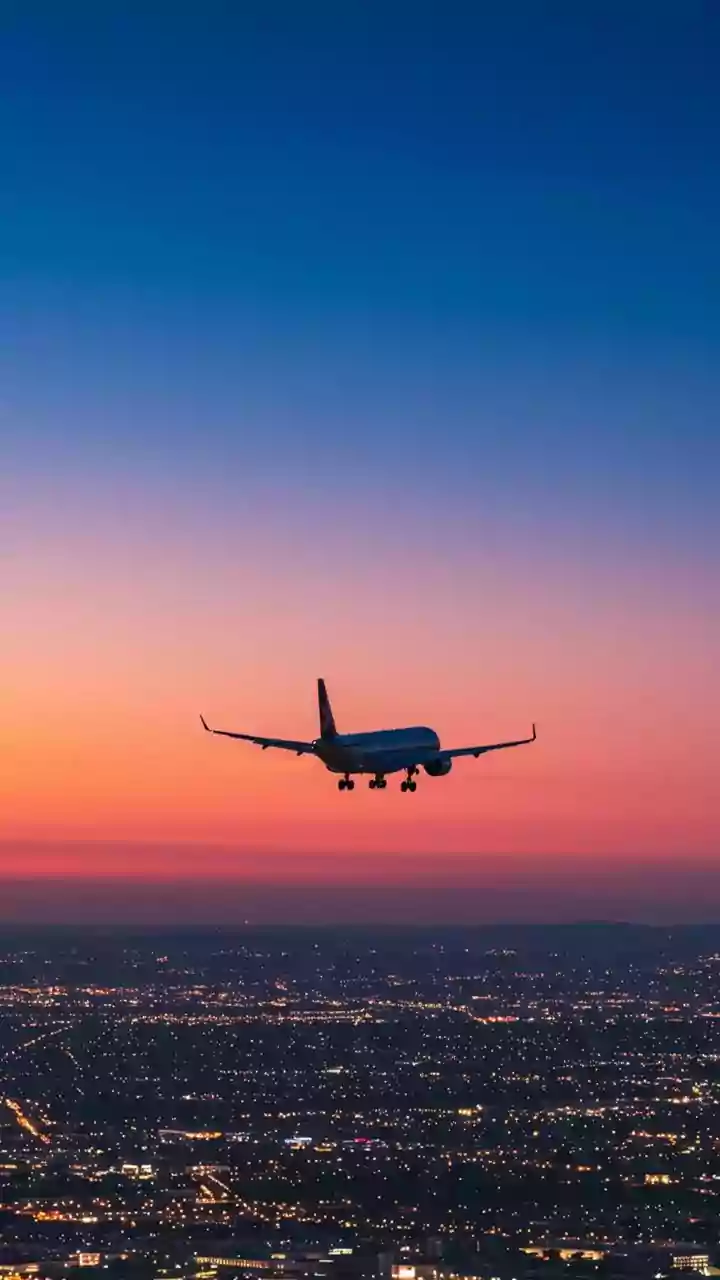
There's a palpable energy in the air—a collective desire to make up for lost time. This has given birth to the trend of spontaneous travel. The 'yes' weekend is all about impulse. It's about seeing a long weekend on the calendar and booking a flight on Thursday
for a Friday departure. The rise in last-minute bookings reflects this shift. Data shows a significant increase in people searching for and booking trips within a week of departure. This isn't just about recklessness; it’s a calculated move towards reclaiming joy and freedom. Flexible work schedules and the ease of mobile booking apps have made these impromptu adventures more accessible than ever. Instead of meticulously planning for months, travellers are embracing the thrill of the unknown, trusting that the best experiences often happen when you don't plan for them at all.
From Checklists to Curiosity
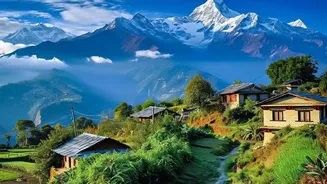
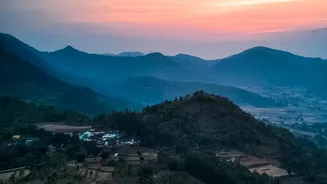
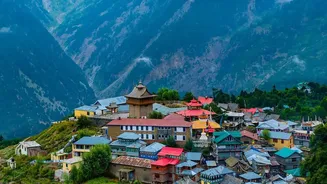
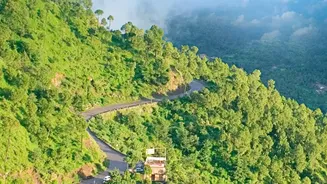
Spontaneous travel is less about ticking off landmarks and more about following your curiosity. It could be a sudden road trip to a nearby hill station, a quick flight to explore a coastal town, or simply booking a staycation in your own city to see it with fresh eyes. This approach thrives on flexibility. Without a rigid itinerary, there’s room to discover a hidden cafe, spend an entire afternoon by a river, or accept a recommendation from a local. It’s a departure from the high-stress, checklist-driven holidays that can leave you feeling like you need a vacation from your vacation. The new spontaneity is about short, restorative bursts of freedom, whether it's exploring the less-crowded beaches of South Goa or finding a last-minute homestay deal in the hills of Himachal.
The Counter-Trend: A Craving for Calm
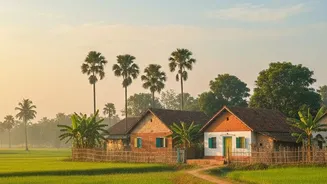
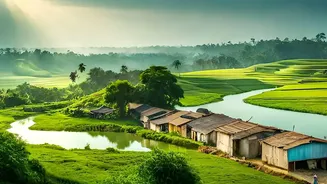
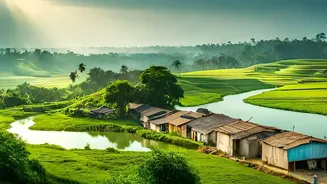
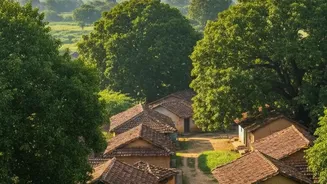
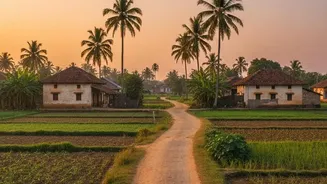
At the other end of the spectrum is a powerful movement towards 'slow travel'. If spontaneous trips are about seizing the moment, slow travel is about savouring it. This trend involves spending more time in a single location, allowing for deeper cultural immersion and a more relaxed pace. The goal is to connect with a place, not just see it. This is driven by a growing weariness of over-tourism and a desire for more authentic, meaningful experiences. Travellers are actively seeking out less-crowded destinations, choosing to visit popular places in the off-season, and prioritising peace over a packed schedule. It's a conscious choice to trade the whirlwind tour for a quiet week in a place like Kausani in Uttarakhand or a peaceful coastal village in Kerala.
Wellness and the Search for Silence
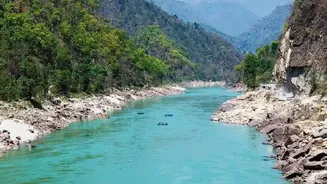
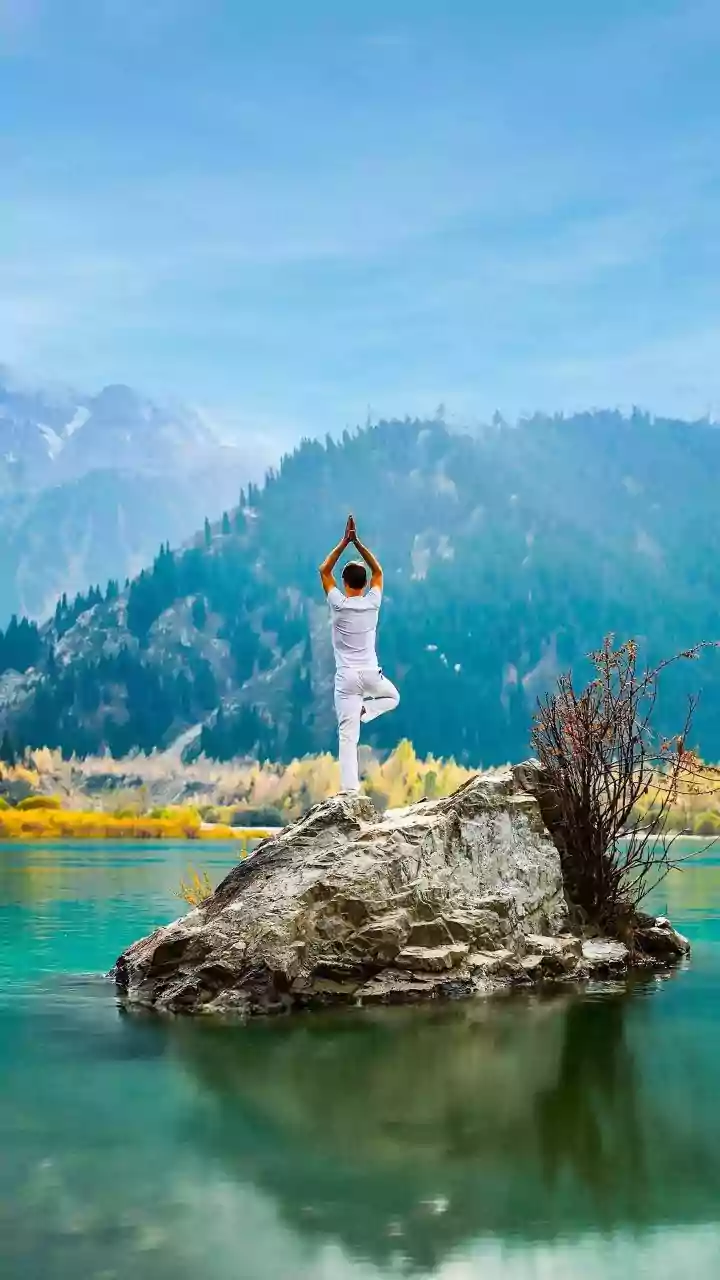
This desire for quietude has fuelled the explosive growth of wellness tourism in India. A holiday is no longer just about escape; it's about restoration. Travellers are seeking out yoga retreats in Rishikesh, Ayurvedic healing centres in Kerala, and silent meditation courses to disconnect from the digital noise and reconnect with themselves. India, with its deep roots in spiritual and holistic practices, is perfectly positioned for this trend. Destinations like the Tirthan Valley in Himachal or lesser-known islands like Neil Island in the Andamans offer the perfect backdrop for a digital detox. These 'calmcations' are about finding psychological space and returning home not just rested, but renewed.
Finding Your Perfect Travel Rhythm
The beauty of modern travel is that you don't have to choose between spontaneity and serenity. These two trends are not mutually exclusive. A last-minute trip can lead you to a silent retreat. A well-planned wellness holiday can have days with no itinerary at all, leaving room for spontaneous discovery. This hybrid approach might be the most rewarding of all. You could spend a few days hitting the highlights of a bustling city and then retreat to a quiet corner for the rest of your trip. The underlying theme is intentionality. The future of travel is less about following a prescribed style and more about asking yourself what you truly need—whether it's the adrenaline of a quick escape or the profound peace of standing still.