


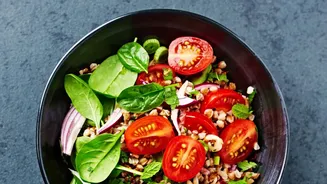
The Blueprint for a Balanced Plate
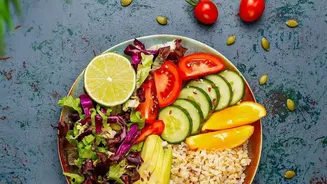
Forget the idea that a vegetarian lunch has to be a complex affair or a simple bowl of leaves. The most effective approach is to think of your plate or lunchbox as having distinct sections for key macronutrients. A good rule of thumb is to fill roughly
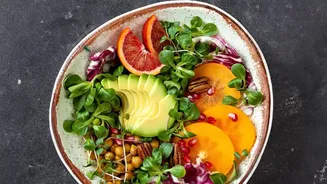
half your plate with colourful vegetables, a quarter with a high-quality plant-based protein, and the final quarter with complex carbohydrates. A drizzle of healthy fat over the top completes the picture, ensuring you get the energy and nutrients needed to avoid that 3 p.m. slump. This framework helps you move beyond a single-focus meal and guarantees a more complete nutritional profile.
Prioritise Plant-Powered Protein
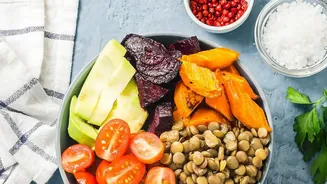
Protein is the key to feeling full and satisfied long after you've finished eating. It helps stabilise blood sugar and provides the building blocks for your body. Many people new to vegetarian eating worry about getting enough, but plant-based options are abundant and delicious. Legumes like lentils, chickpeas, and black beans are protein powerhouses. A half-cup of cooked lentils, for example, offers about 12 grams of protein. Soy products such as tofu, tempeh, and edamame are also complete proteins, meaning they contain all the essential amino acids your body needs. Don't overlook nuts and seeds; even a small handful of almonds or a sprinkle of hemp seeds on a salad can significantly boost its protein content.
Embrace Complex Carbohydrates for Energy
Carbohydrates are your body's primary fuel source, but not all carbs are created equal. Simple carbs, like those in white bread and sugary snacks, cause a rapid spike and subsequent crash in energy. Complex carbohydrates, however, are digested more slowly, providing a steady release of energy that lasts for hours. Excellent sources include whole grains like quinoa, brown rice, oats, and barley. Starchy vegetables such as sweet potatoes, corn, and winter squash are also fantastic choices that are packed with fibre and nutrients. Swapping white pasta for a whole-wheat version or building your lunch bowl on a base of quinoa instead of white rice can make a huge difference in your afternoon energy levels.
Incorporate Healthy Fats for Fullness
Fat is not the enemy; in fact, healthy unsaturated fats are essential for nutrient absorption, brain health, and keeping you feeling full. Including a source of healthy fat in your lunch makes the meal more satisfying and helps your body absorb fat-soluble vitamins from your vegetables. Great plant-based sources of monounsaturated and polyunsaturated fats include avocados, nuts, and seeds like chia, flax, and sunflower seeds. A drizzle of extra virgin olive oil or tahini on your salad or roasted vegetables is another easy way to incorporate these beneficial fats. Omega-3 fatty acids, which are crucial for health, can be found in walnuts, flaxseeds, and chia seeds.
Putting It All Together: Lunch Ideas
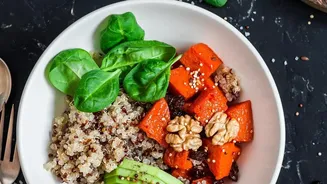
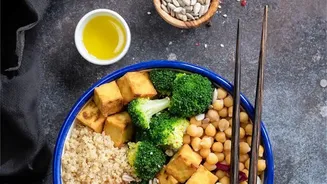
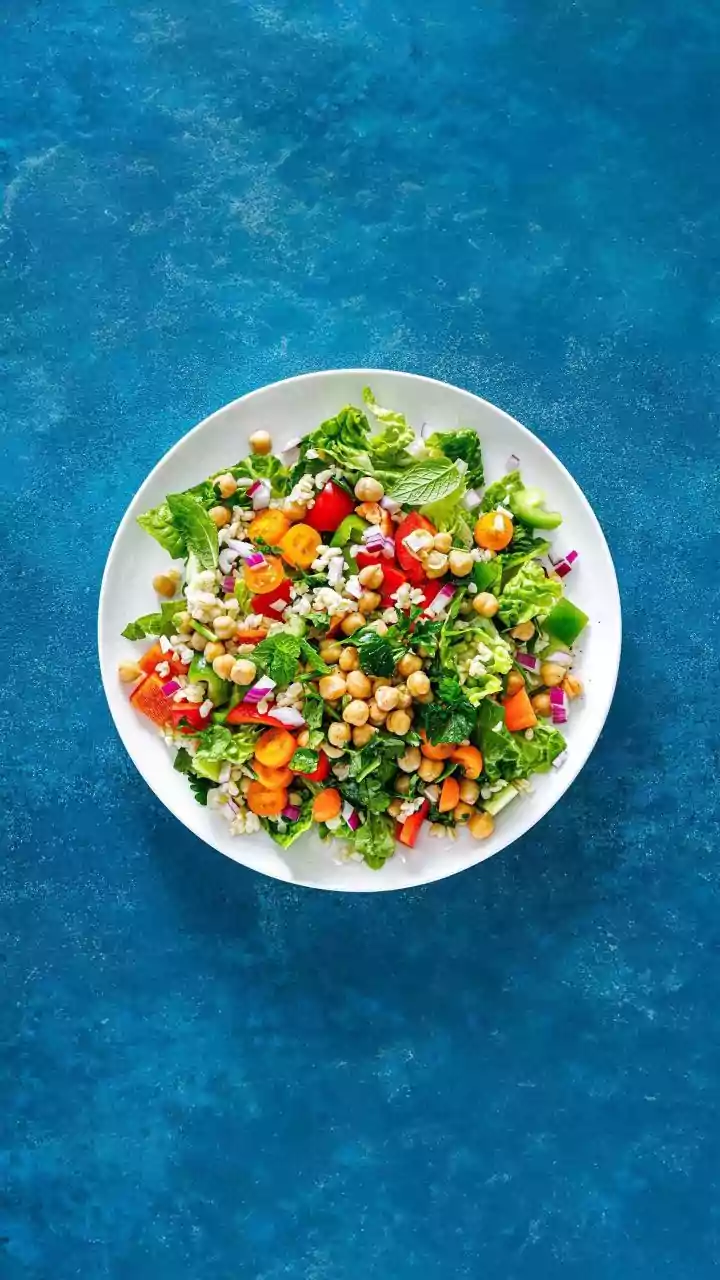
Knowing the components is one thing, but seeing them in action makes it easier. Here are a few ideas for a balanced vegetarian lunch: Quinoa and Black Bean Bowl: Start with a base of cooked quinoa (complex carb), top with black beans (protein), roasted sweet potatoes (complex carb, vitamins), corn, and chopped bell peppers. Finish with sliced avocado (healthy fat) and a lime-based dressing. Lentil Soup and Whole-Wheat Bread: A hearty red lentil soup provides ample protein and fibre. Pair it with a slice of whole-wheat bread for dipping to add a complex carbohydrate that makes the meal more substantial. Chickpea Salad Sandwich: Mash chickpeas with a little Greek yogurt or a vegan alternative, celery, and seasonings to create a 'tuna-like' salad. Serve it on sprouted whole-grain bread with lettuce and tomato for a quick and protein-packed meal. Tofu and Veggie Stir-fry: Sauté cubed tofu (protein) with a colourful mix of broccoli, carrots, and snap peas. Serve over brown rice (complex carb) and top with a sprinkle of sesame seeds (healthy fat).