


The 'Capsule Pantry' Philosophy
The idea is simple and gaining popularity: create a core collection of versatile ingredients that can be mixed and matched to create a wide variety of meals. Think of it like a capsule wardrobe, but for your kitchen. Instead of buying a special sauce
for a single recipe that ends up gathering dust, you focus on staples that form the backbone of your cooking. This approach, often called a 'capsule pantry', isn't about restriction; it's about freedom. It frees you from last-minute grocery runs, decision fatigue, and a fridge full of half-used produce. By leaning on a curated set of multi-purpose foods, you save money, reduce waste, and simplify your entire cooking process. It’s a shift in mindset that helps your kitchen serve you, not the other way around.
Your Kitchen's Hardest-Working Ingredients
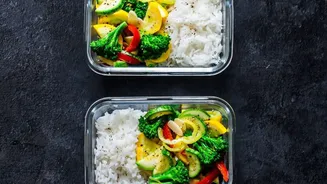
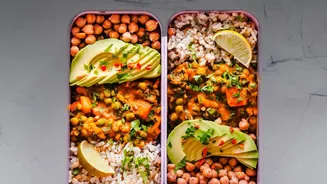
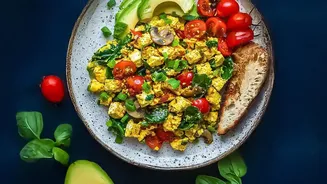
Building a simplified meal plan starts with identifying the right players. These are the ingredients that can effortlessly transition from breakfast to dinner and across different styles of cuisine. Here are a few kitchen MVPs to get you started: Eggs: The ultimate utility player. Scramble them for breakfast, boil them for a salad topping at lunch, or use them to make a quick fried rice or shakshuka for dinner. Chickpeas: A can of chickpeas holds endless potential. Roast them for a crunchy snack, mash them into hummus for sandwiches, toss them into salads for a protein boost, or simmer them in a tomato-based curry for a hearty vegetarian dinner. Greek Yogurt: This fridge staple does more than just breakfast bowls. Use it as a base for creamy salad dressings, as a healthier substitute for sour cream on baked potatoes or tacos, or as a tenderising marinade for chicken. Onions and Garlic: These flavour-builders are the non-negotiable foundation of countless dishes around the world. From soups and stews to stir-fries and pasta sauces, they are the starting point for developing deep, savoury flavour in almost any meal. Canned Tomatoes: Incredibly versatile and packed with flavour, canned tomatoes can become a quick pasta sauce, the base for a hearty lentil soup, a key ingredient in a chicken curry, or part of a rich bolognese. Rice: This global staple can be a simple side dish, the main component of a burrito bowl, the foundation for a stir-fry, or the star of a comforting pot of khichdi. Cooking a large batch at the start of the week saves significant time.
Putting It All Together: A Sample Plan
So how does this look in practice? Let's say your versatile ingredients for the week are chicken, chickpeas, spinach, and rice. You don't have to eat the same meal every day. Instead, you can mix and match. Day 1: For dinner, you could have roasted chicken with a side of lemon-garlic spinach and rice. Cook extra chicken and rice for the next couple of days. Day 2: Lunch could be a quick chicken salad using the leftover roasted chicken, served with some bread or crackers. For dinner, you could make a chickpea and spinach curry, served with the leftover rice. Day 3: Use the last of the shredded chicken for lunch in tacos or a wrap. For dinner, you could whip up a quick chicken and vegetable fried rice, tossing in any other vegetables you have on hand. This method of cooking components rather than full meals allows for flexibility while ensuring nothing goes to waste.
Smart Shopping for a Versatile Kitchen
Adopting this style of cooking begins at the grocery store. Before you go, take a quick inventory of what you already have. Look for foods that are about to expire and plan to use them first. When shopping, focus on ingredients that can serve at least two or three purposes in your week's meals. For instance, a whole chicken can be roasted for one meal, with the leftover meat used for salads or sandwiches and the carcass boiled to make a flavourful stock for soup. Buying produce that is in season is another great way to save money and ensure maximum flavour. The goal isn't to buy less food, but to buy more intentionally, choosing items that offer the most flexibility and value for your money.