







Understanding the 'Eating Window'
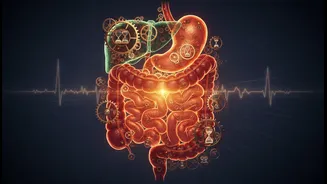
Before exploring alternatives, it's important to understand what an 'eating window' really is. Popularised by intermittent fasting, it’s simply the period of time during the day when you consume your meals. The period outside this window is a time of fasting, giving
your digestive system a rest. Research suggests that having a structured eating window can help align our meals with our body's natural circadian rhythms, the internal clock that governs sleep and metabolism. This alignment can improve metabolic health, regulate blood sugar, and even enhance sleep quality. The goal isn't just to restrict calories, but to give your body a predictable and consistent schedule for eating and fasting, which can often be a 12-hour break overnight. But you don't need a stopwatch or a strict fasting regimen to reap these rewards.
Alternative 1: Master Your Meals with Protein Pacing
Instead of focusing on when not to eat, protein pacing focuses on what and when you do eat. This strategy involves consuming protein-rich meals evenly spaced throughout the day, typically four meals with 25-50 grams of protein each, about three to four hours apart. Studies suggest that protein pacing is effective for weight loss, maintaining muscle mass, and promoting satiety, which means you feel fuller for longer. By providing a steady supply of amino acids, this method helps keep your metabolism active and can reduce cravings. It creates structure and ensures your body is fueled consistently, preventing the extreme hunger that can lead to overeating, all without the long fasting periods.
Alternative 2: Adopt the 'Bookend' Your Day Method
This is a simple, intuitive approach that creates a natural eating window by focusing on the first and last meals of your day. The goal is to have a consistent, reasonably early dinner and a satisfying breakfast, effectively 'bookending' your day with nutrition. By finishing your last meal at least two to three hours before you go to sleep, you allow your body to complete digestion before its restorative overnight processes begin. This naturally creates a 12-hour or longer fasting period overnight without the mental burden of clock-watching. This method aligns well with our circadian rhythms, as our metabolism is naturally more active earlier in the day. It's less about a strict fast and more about respecting your body’s natural daily cycle.
Alternative 3: Mind the Gaps Between Meals
If restricting your eating to a specific block of time feels too difficult, consider focusing on the gaps between your meals instead. The idea is to eat three balanced meals per day while ensuring there’s a significant break of four to six hours between them. This approach allows your body to enter a short-term fasted state several times a day, which can help in burning fat without requiring a long, continuous fast. This method encourages you to listen to your body's hunger cues to adjust meal sizes—if you're not hungry after four hours, you might have eaten too much at your last meal. It’s a flexible way to prevent constant snacking and give your digestive system the downtime it needs to function optimally, keeping your metabolism and digestive system working efficiently.
Alternative 4: Embrace Structured, Mindful Eating
Sometimes the best structure is one that focuses on consistency rather than strict timing. Regular, structured eating involves planning your meals and snacks ahead of time to ensure you’re eating balanced nutrients at predictable intervals, often every 3-4 hours. This prevents the blood sugar spikes and crashes that come from erratic eating habits, which can lead to fatigue, mood swings, and poor food choices. By planning ahead, you can avoid the decision fatigue that often results in grabbing unhealthy, processed options. This method helps you rebuild trust in your body’s hunger and fullness signals, leading to a more intuitive and less stressful relationship with food, all while providing the consistency your metabolism craves.