






Start with Your PNR and Flight Status
Before you even think about booking a cab to the airport, your first step should be a thorough check of your flight's status. Don't rely on the original schedule. Most airlines, like IndiGo and Air India, have dedicated flight status trackers on their
websites and mobile apps. Simply enter your PNR or flight number and date of travel to get real-time information. These portals will show if your flight is on time, delayed, or cancelled. Third-party apps like FlightAware, Flightradar24, or ixigo can also provide live updates, sometimes even faster than the airline's own system. This simple check can save you a pointless trip to an already crowded airport.
Understand Your Rights as a Passenger
Knowledge is power, especially when dealing with airlines. India's Directorate General of Civil Aviation (DGCA) has a Passenger Charter that outlines what you are owed in case of disruptions. These are not goodwill gestures, but binding regulations. For instance, if your flight is delayed, you are entitled to meals and refreshments for waits of two hours or more. If a domestic flight is delayed by over six hours, the airline must offer you an alternative flight or a full refund. For overnight delays, particularly those between 8 p.m. and 3 a.m., airlines are generally required to provide hotel accommodation and transfers. It is important to note that these compensation rules may not apply in cases of 'force majeure' or extraordinary circumstances like severe weather or political instability.
What to Do if Your Flight is Cancelled
A cancellation notice can throw your plans into chaos, but you have clear options under DGCA rules. If the airline informs you of the cancellation less than two weeks before departure and fails to arrange an alternate flight, you are generally entitled to compensation. This compensation can range from ₹5,000 to ₹10,000, in addition to a full refund. The key is the timing of the notification. If you are informed less than 24 hours before departure, you are entitled to a full refund plus compensation. If you are at the airport when you find out, approach the airline counter calmly, state your rights, and ask for either a full refund or to be booked on the next available flight. Ensure you get any communication in writing or as a reference number.
Leverage Social Media and Communication
In today's connected world, an airline's official social media handle, particularly on X (formerly Twitter), is often one of the first places to post real-time operational updates and advisories. Many users share their experiences, giving you a live look at the situation at various airports. When booking your ticket, always provide your correct mobile number and email address. This ensures you receive timely alerts directly from the airline regarding any schedule changes, delays, or cancellations. If you need to contact the airline, having their customer service numbers pre-programmed into your phone can save you precious time and stress.
Pack for Potential Delays
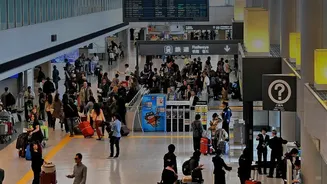
Even if you’ve checked everything and it all looks clear, it pays to be prepared for the unexpected. Airport terminals can become chaotic during mass disruptions, with long queues for food and essentials. Pack a small 'disruption kit' in your carry-on bag. This should include a powerful power bank for your phone, essential medications, some non-perishable snacks like protein bars, and a reusable water bottle. Having these items on hand means you can stay comfortable and connected while you wait for more information, without being entirely dependent on airport services, which can be overwhelmed during peak disruption periods.