


The Threat That Lingers
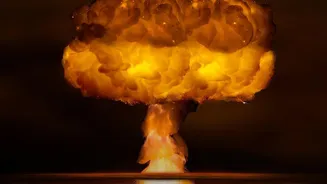
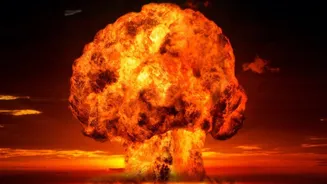
A nuclear explosion in space doesn't work like one on the ground. There's no shockwave in a vacuum. Instead, the primary danger comes from what's left behind. A high-altitude nuclear detonation (HAND) releases a massive burst of energy and particles.
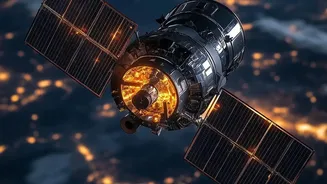
The most immediate effect is an electromagnetic pulse (EMP), a powerful wave of energy that can instantly fry the sensitive electronics of any satellite in its line of sight. But the more insidious threat is the creation of an artificial radiation belt. High-energy electrons from the blast become trapped by Earth's magnetic field, creating a long-lasting hazard zone that subjects satellites to repeated, damaging doses of radiation as they orbit through it.
A Shocking Lesson from History
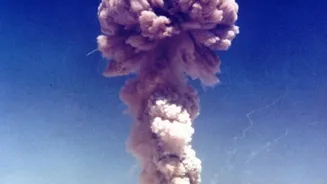
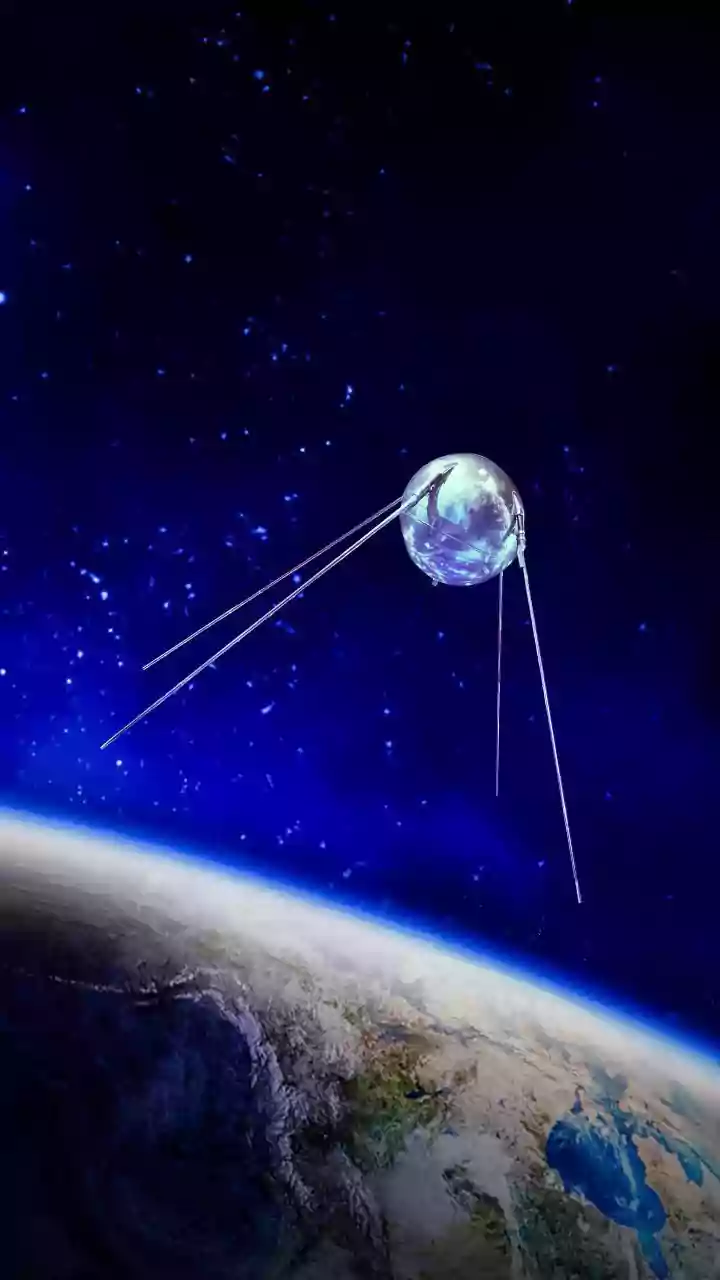
This isn't just a theory. On July 9, 1962, the United States conducted the 'Starfish Prime' test, detonating a 1.4-megaton warhead 400 kilometres above the Pacific Ocean. The results were startling. The blast created a brilliant artificial aurora visible for thousands of kilometres and knocked out streetlights in Hawaii. In space, the consequences were even more severe. The artificial radiation belt it created was far more intense and persistent than scientists had predicted. In the months that followed, roughly a third of all satellites in low-Earth orbit at the time, including the pioneering Telstar communications satellite, were damaged or destroyed by the lingering radiation.
Why The Concern Now?
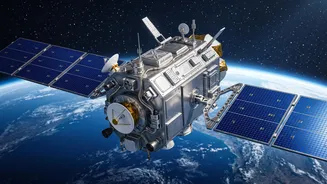
The Starfish Prime test happened when only a few dozen satellites circled the Earth. Today, there are over 13,000 active satellites in low-Earth orbit alone, forming the backbone of global communication, finance, navigation, and military systems. Recent simulations by researchers from institutions like the University of Wisconsin-Madison and Princeton University paint a grim picture. A single, one-megaton detonation could disable 98% of low-Earth orbit satellites within a week. This renewed focus is driven by a tense geopolitical climate and reports of nations developing anti-satellite capabilities that could include a nuclear component. For space-faring nations like India, which relies on its own constellations for critical services, the threat is no longer abstract.
The Science of Survival
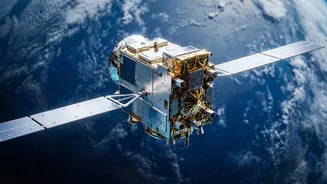
The challenge is immense because modern satellites, often built to be small and cost-effective, can be more vulnerable than their bulkier predecessors. The focus of current studies is to understand these vulnerabilities and develop countermeasures. This is known as 'hardening' satellites. Hardening involves multiple layers of protection, from physical shielding that blocks radiation to using radiation-tolerant electronic components and designing circuits that are less susceptible to EMP-induced currents. However, even with enhanced protection, studies show a devastating outcome. A simulation where satellites were given three times their normal radiation tolerance still resulted in 97% becoming inoperable within two weeks. This suggests shielding alone isn't enough.
Building a More Resilient Future in Space
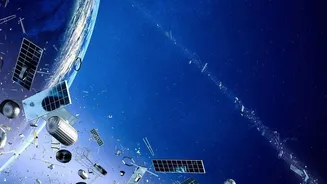
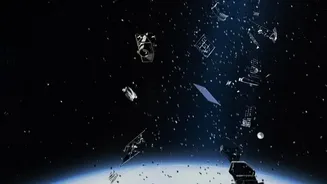
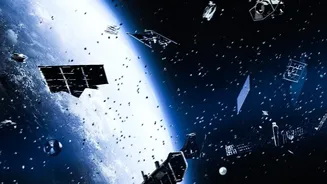
Given the difficulty of hardening every satellite, experts are also looking at architectural solutions. The idea is to build more resilient networks. This could involve creating constellations of smaller, cheaper, and more numerous satellites, making the overall system less dependent on any single asset. Another approach is orbital diversity—spreading satellites across different orbits to ensure a single blast cannot disable the entire network. Furthermore, the cascading effect of debris from disabled satellites, known as the Kessler Syndrome, is a major concern. A nuclear event would not only kill satellites with radiation but also trigger a chain reaction of collisions, littering orbit with high-velocity junk for years and making it difficult to launch replacements.