
The Golden Rule of Temperature
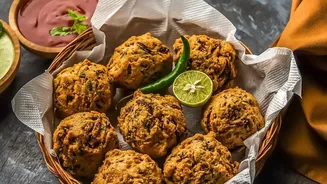
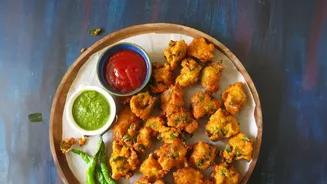
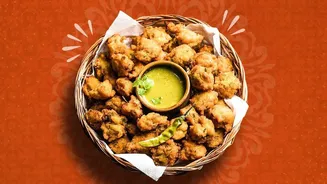
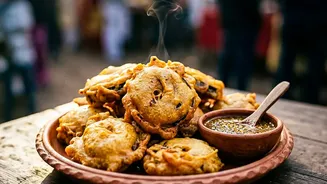
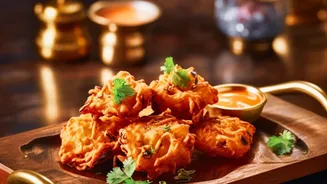
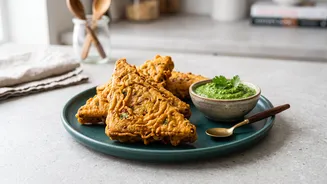
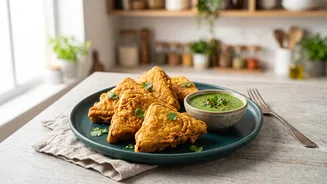
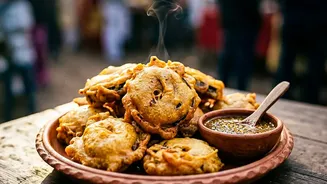
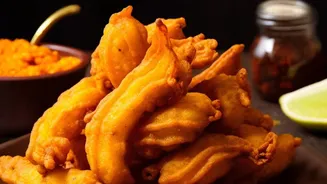
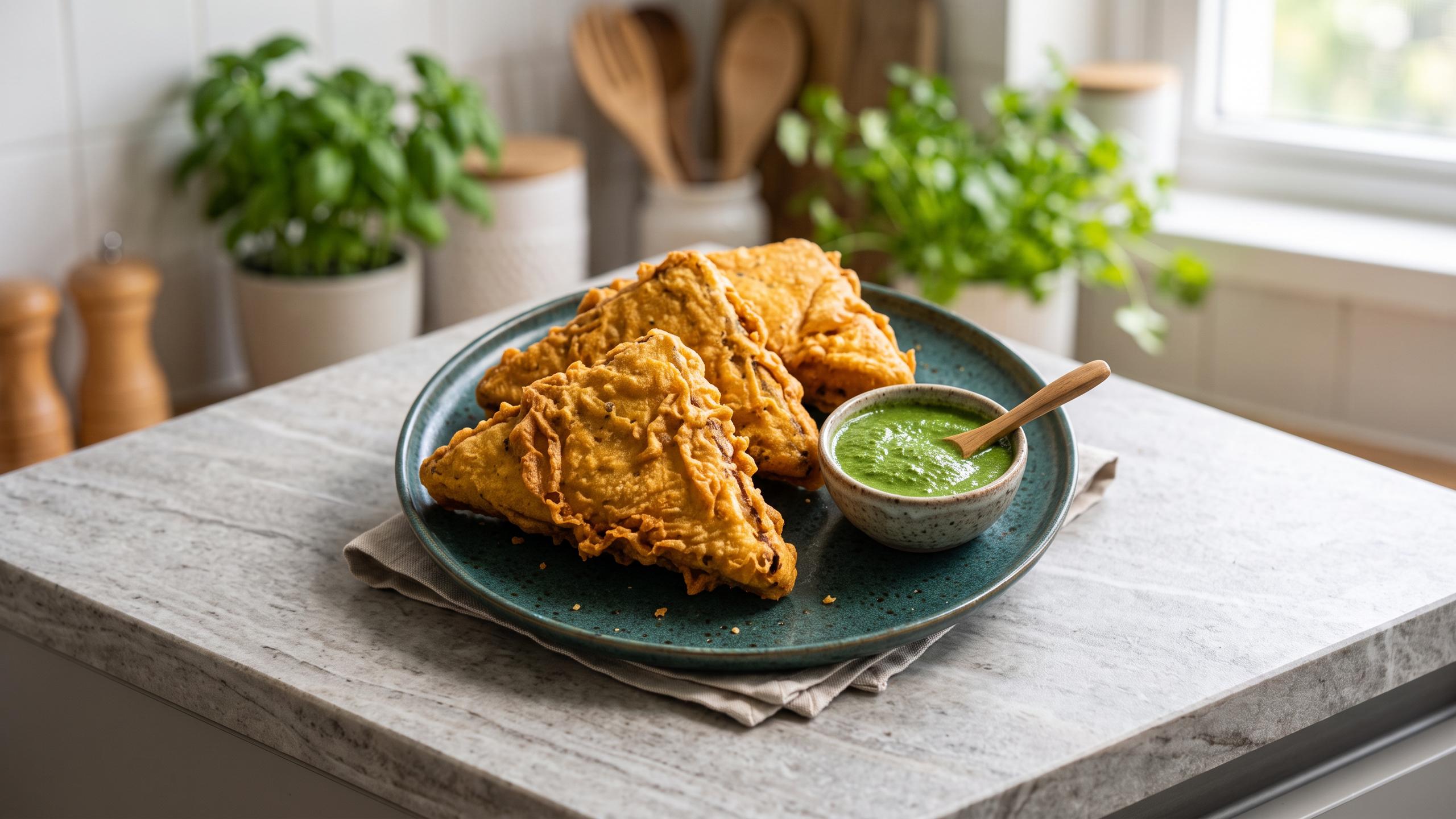
To achieve that authentic, street-vendor crunch, the ideal oil temperature for deep-frying bread pakora is between 180°C and 190°C (360°F to 375°F). This specific range is the sweet spot that ensures the pakora cooks perfectly, creating a crisp exterior
without absorbing excess oil. Using a deep-fry or candy thermometer is the most accurate way to monitor this, but even without one, you can achieve great results by understanding the visual cues of your oil. Maintaining this temperature is crucial for consistency from the first pakora to the last.
The Science of the Sizzle
When the batter-coated bread hits oil at the correct temperature, the moisture on its surface instantly turns to steam. This steam creates a protective barrier that pushes against the oil, preventing it from seeping into the bread and making it greasy. Instead, the heat is transferred efficiently, cooking the potato filling and crisping the besan batter on the outside. This rapid sealing process is what gives the pakora its signature light, crispy texture rather than a heavy, oil-logged one. Frying should always be done on a medium to medium-high flame to hold this temperature steady.
What Happens When Oil Is Too Cool?
Frying in oil that isn't hot enough is the primary cause of greasy, soggy pakoras. If the temperature is below 175°C (350°F), the batter doesn't seal quickly enough. Instead of creating a steam barrier, the bread acts like a sponge, soaking up oil. This not only results in an unpleasantly heavy and oily snack but can also make the pakora fall apart or become unevenly cooked. The food lingers in the cooler oil for longer, leading to a dense, greasy final product instead of a light, fluffy one.
The Dangers of Oil That's Too Hot
Conversely, if your oil is excessively hot—smoking or bubbling furiously—you'll face a different set of problems. The outside of the bread pakora will burn almost instantly, turning dark brown before the potato filling inside has a chance to heat through. This leaves you with a pakora that is burnt on the exterior but still raw or lukewarm in the middle. Overheated oil also breaks down faster, which can impart a bitter taste to your food. Aiming for a steady, controlled heat is far better than rushing the process with a scorching flame.
Testing Temperature Without a Thermometer
If you don't own a kitchen thermometer, you can still gauge the oil's readiness with a few simple tests. One popular method is the wooden spoon test: dip the handle of a wooden spoon or a chopstick into the oil. If the oil bubbles steadily around the wood, it's ready. If it bubbles violently, it's too hot, and if there are no bubbles, it's not hot enough. Another reliable method is to drop a tiny piece of the batter into the pan. If it sizzles and rises to the surface at a steady pace, the temperature is perfect. If it sinks and stays at the bottom, the oil is too cold; if it turns dark immediately, the oil is too hot.
Maintaining Heat for Consistent Results
Once you start frying, it's important not to overcrowd the pan. Adding too many pakoras at once will cause the oil temperature to drop significantly, leading to the dreaded greasy result. Fry in small batches, allowing the oil to return to the ideal temperature between each batch. A heavy-bottomed kadai or pan is excellent for this, as it retains heat well and helps keep the temperature more constant. By managing your batch size and giving the oil a moment to recover, you ensure every single bread pakora comes out as perfectly crisp as the first.