




More Than Just a Wetland
First, what does being a ‘Ramsar site’ even mean? The title comes from the Ramsar Convention, an international treaty signed in Iran in 1971, dedicated to the conservation and sustainable use of wetlands. When a wetland is designated a Ramsar site, it gains
international recognition for its ecological importance. For India, which became a signatory in 1982, this designation is a formal commitment to protect these unique ecosystems. It’s not just about preserving bird habitats; it’s about acknowledging that these landscapes perform critical functions. The recent acceleration in designations, from just 26 sites in 2014 to over 100 today, shows a deliberate policy move to integrate these natural spaces into the country’s long-term strategic planning.
From the Himalayas to the Coast
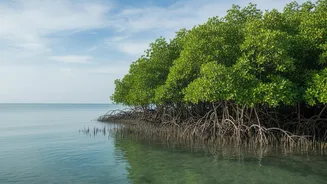
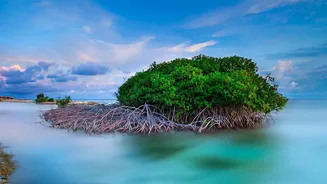
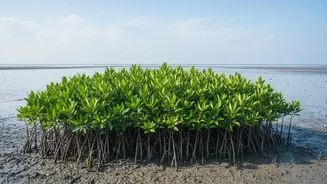
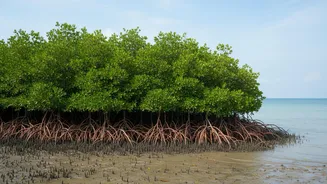
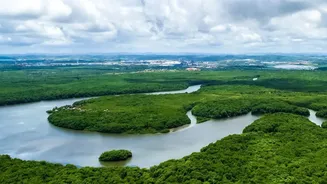
The newest addition, Glaw Lake in Arunachal Pradesh, is a pristine freshwater lake nestled within the Kamlang Tiger Reserve, a biodiversity hotspot in the Eastern Himalayas. Its designation as the country's 101st site is symbolic of a nationwide push. In early 2024, a batch of five new sites were added, including three in Karnataka and two in Tamil Nadu. These sites are incredibly diverse. They range from the Aghanashini Estuary in Karnataka, where a river meets the Arabian Sea creating rich mangrove forests, to the human-made Magadi Kere tank, which serves as a vital wintering ground for the Bar-headed goose. In Tamil Nadu, the Longwood Shola Reserve Forest is a rare evergreen forest that is the source of water for numerous villages downstream. Each site, whether a coastal estuary, a forest swamp, or an inland lake, plays an irreplaceable role.
Nature's Water Purifiers and Reservoirs
One of the most critical reasons for this renewed focus is water security. Wetlands are often called ‘nature’s kidneys’ for a reason. They are masterful water filtration systems, trapping pollutants and cleansing water as it seeps through them. More importantly, they function like giant natural sponges. During heavy monsoons, they absorb enormous amounts of rainwater, reducing the risk of flooding in surrounding areas. This water is then released slowly during dry seasons, recharging groundwater aquifers that are crucial for agriculture and drinking water. For instance, the Karaivetti Bird Sanctuary in Tamil Nadu is a significant source of groundwater recharge for local farming, while the Longwood Shola provides fresh water to 18 different villages. In a nation grappling with depleted water tables and erratic rainfall, recognising wetlands as living water infrastructure is a game-changer.
Our Climate Shock Absorbers
Beyond water, wetlands are powerful allies in the fight against climate change. Their role in climate security is twofold. Firstly, they are incredible carbon sinks. Ecosystems like marshes, mangroves, and peatlands store vast quantities of carbon in their soil and biomass, keeping it out of the atmosphere. Studies have shown that coastal wetlands can sequester carbon up to 55 times faster than tropical rainforests, making their protection a climate imperative. Secondly, they are our frontline defence against extreme weather events. The dense mangrove forests of estuaries like Aghanashini act as natural barriers, absorbing the energy of storm surges and protecting coastal communities from cyclones and erosion. As floods and droughts become more frequent, the flood-mitigating capacity of inland wetlands and the protective barrier of coastal ones are indispensable for climate resilience.