




Beyond Cacti: Understanding the Shift
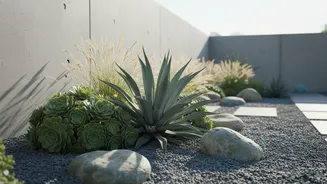
Low-water gardening, often called xeriscaping, is much more than just planting a few succulents. It’s a thoughtful approach to landscaping that focuses on reducing or eliminating the need for supplemental watering. Many people wrongly assume it means
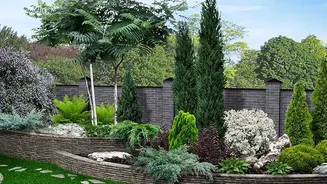
a garden of rocks and thorns, but the reality is a lush, vibrant space is achievable. The core idea is to work with your local climate, not against it, by choosing plants that are naturally suited to the environment and designing your garden to make the most of every drop of water.
More Beauty, Less Work
The most obvious benefit of a low-water garden is, of course, water conservation, which leads to lower utility bills and less strain on municipal resources. But the advantages don't stop there. These gardens are typically low-maintenance, requiring less weeding and general upkeep. Furthermore, by using native and locally adapted plants, you create a habitat that supports local wildlife, birds, and pollinators, enhancing biodiversity in your own backyard. It's a win for your wallet, your schedule, and the planet.
Choosing Your Water-Wise Plants
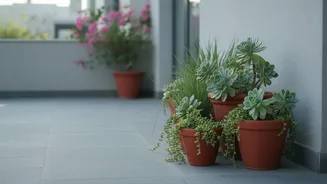
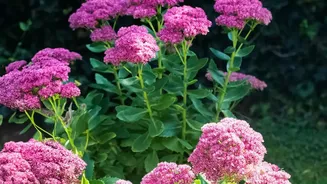
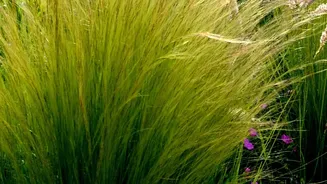
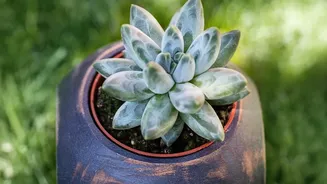
The key to a successful low-water garden is plant selection. Focus on native species that are already adapted to your region's rainfall and soil conditions. For many parts of India, this could include colourful Bougainvillea, hardy Lantana, fragrant Jasmines, or vibrant Marigolds. Succulents and ornamental grasses also make excellent, low-thirst additions. The principle is to group plants with similar water needs together. This practice, known as hydrozoning, prevents you from overwatering a drought-tolerant plant just to quench its thirsty neighbour.
The Magic of Mulch
Mulch is the unsung hero of the water-wise garden. Applying a layer of organic material like wood chips, straw, or shredded leaves over your soil is one of the most effective things you can do. Mulch acts as a protective blanket, shielding the soil from the sun and dramatically reducing water evaporation. This means the soil stays cooler and moist for longer, so you need to water less frequently. As a bonus, mulch suppresses weed growth and, as it decomposes, enriches the soil with valuable nutrients. A 2- to 3-inch layer is generally recommended for best results.
Watering Smarter, Not Harder
When you do need to water, the technique matters. Instead of light, frequent sprinkles that encourage shallow roots, water deeply and infrequently. This encourages plants to develop deeper, more resilient root systems. The best time to water is in the early morning to minimize evaporation. For maximum efficiency, consider a drip irrigation system or soaker hoses. These methods deliver water directly to the plant's root zone, exactly where it's needed, avoiding the waste associated with overhead sprinklers. Collecting rainwater in barrels is another excellent way to get a free, sustainable supply for your garden.