






The Growing Challenge of Urban Flooding
Every monsoon, cities across India brace for the deluge. Rapid urbanization, ageing drainage infrastructure, and the increasing intensity of rainfall due to climate change create a perfect storm for waterlogging. Traditional methods of managing drains—manual
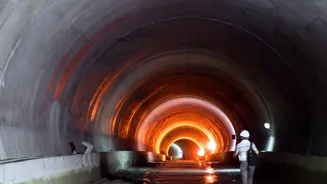
inspections and seasonal desilting—are often reactive and struggle to keep pace with the sheer volume of water. Blockages from silt and waste go undetected until it's too late, causing backflows that spill onto roads, paralyzing traffic, damaging property, and posing significant public health risks. This recurring problem highlights the urgent need for a smarter, more proactive approach to managing our cities' complex and often-unseen drainage networks.
Enter the Internet of Things (IoT)
This is where the Internet of Things, or IoT, comes in. In simple terms, IoT refers to a network of physical objects embedded with sensors and software that connect to the internet to exchange data. Think of smart home devices or fitness trackers. Now, apply that same concept to civic infrastructure. By placing 'smart' devices within the drainage system, cities can gain a real-time, data-driven view of what’s happening underground. This network transforms drains from passive channels into an active, intelligent system that can be monitored and managed remotely, offering a powerful tool in the fight against urban floods.
How the Sensors Work Underground
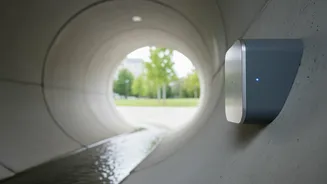
The core of this system is a series of rugged, waterproof sensors placed at strategic points within the drainage network, such as manholes and major junctions. The most common type is the ultrasonic sensor. It works by emitting a sound pulse towards the water surface and measuring the time it takes for the echo to return. This allows it to calculate the distance to the water, and therefore its level, with high accuracy. Other sensors might include flow meters to measure the speed of the water and even chemical sensors to detect pollutants. These devices are typically battery-powered, designed to operate for years in harsh conditions, and sealed against water and corrosion.
From Data Pings to Actionable Alerts
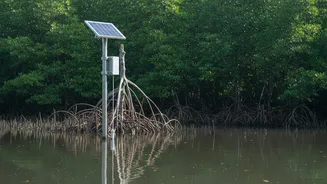
A sensor detecting a high water level is only useful if that information gets to the right people quickly. The sensors transmit their data wirelessly to a central control centre. They often use low-power, wide-area network (LPWAN) technologies, which are ideal for sending small packets of data over long distances without using much energy. At the control centre, the data is visualised on a digital map or dashboard. Municipal engineers can see water levels across the entire city at a glance. The system can be programmed to send automatic alerts to officials via SMS or email when water in a specific drain reaches a predefined critical threshold, indicating a potential blockage or an impending overflow.
Real-World Impact and Proactive Management
The benefits of this real-time monitoring are immense. Instead of waiting for a citizen's complaint, municipal teams can be dispatched pre-emptively to clear a blockage before it causes flooding. Early warnings allow authorities to close vulnerable roads, divert traffic, and alert residents in low-lying areas. In cities like New Delhi, the New Delhi Municipal Council (NDMC) is integrating technology like GIS mapping and CCTV monitoring into its Monsoon Action Plan to better identify blockages and manage its 578-kilometre drainage network. These smart systems provide invaluable data that helps optimise maintenance schedules and identify recurring problem spots, leading to more efficient use of resources like 'supersucker' machines for desilting. This shifts flood management from a purely reactive exercise to a proactive and predictive one.
Hurdles on the Path to Smarter Cities
Despite the clear advantages, widespread adoption of IoT for drainage monitoring in India faces several challenges. The high initial cost of implementation can be a barrier for many municipalities. Furthermore, ensuring reliable network connectivity, especially in remote or underdeveloped areas, is crucial for the system to function effectively. Data security is another major concern, as critical infrastructure systems could become targets for cyberattacks. There are also practical issues of maintenance—sensors can get damaged or covered in debris—and the need for a skilled workforce to manage and interpret the data collected. Overcoming these hurdles requires significant investment, strategic planning, and the development of local expertise.