

What Is the Cat-Cow Sequence?
Known in Sanskrit as Marjaryasana-Bitilasana, Cat-Cow is not a single pose but a dynamic, fluid movement between two. It is a gentle sequence that transitions between rounding the spine (Cat Pose) and arching it (Cow Pose). This flow is typically performed
on all fours and is often used as a warm-up in yoga practices to awaken the spine and prepare the body for more activity. Its primary purpose is to improve the flexibility and mobility of the 24 movable vertebrae that make up your spine, encouraging each segment to move. The entire sequence is synchronised with the breath, which helps to calm the nervous system and deepen the physical benefits of the stretch.
A Step-by-Step Guide to the Flow
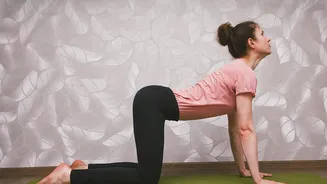
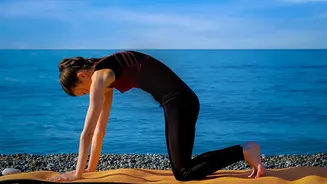
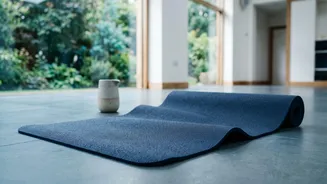
Finding the correct form is key to unlocking the full benefits of Cat-Cow. Follow these steps to ensure proper alignment and a safe practice. 1. Start in a 'tabletop' position on your hands and knees. Your wrists should be stacked directly under your shoulders, and your knees directly under your hips. Your shins and the tops of your feet can rest flat on the mat. 2. Begin with a neutral, flat back and a relaxed neck, gazing at the floor. 3. Move into Cow Pose: As you inhale, drop your belly towards the floor. Lift your chest and tailbone, creating a gentle arch in your back. Broaden your collarbones and draw your shoulders away from your ears. 4. Transition to Cat Pose: As you exhale, reverse the movement. Round your spine towards the ceiling, tucking your chin towards your chest and drawing your navel in towards your spine. Feel the stretch between your shoulder blades. 5. Continue the Flow: Repeat this movement, flowing smoothly between Cow on the inhale and Cat on the exhale for 5 to 10 breath cycles. The breath acts as a metronome, ensuring a slow, controlled pace.
The Primary Benefits for Your Back
The magic of Cat-Cow lies in its ability to gently and effectively mobilise the spine. Regular practice helps relieve stiffness and tension throughout the back and neck, making it especially beneficial for those who sit at a desk for long hours. The movement increases circulation to the discs and muscles surrounding the spine, promoting better health and flexibility. It also strengthens core abdominal muscles that are crucial for maintaining good posture. By moving the spine through its full range of flexion and extension, the sequence improves your overall body awareness and can help prevent back pain and injury over time.
Common Mistakes to Avoid
To get the most out of the pose and prevent strain, be mindful of these common errors. - Rushing the Movement: One of the biggest mistakes is moving too quickly. The benefit comes from slow, controlled transitions that are linked to your breath. - Craning the Neck: In Cow Pose, avoid throwing your head back sharply. Instead, keep the neck long, as an extension of the spine. In Cat Pose, gently tuck your chin rather than forcing it to your chest. - Locking the Elbows: Maintain a micro-bend in your elbows to avoid hyperextension and to keep the supporting muscles engaged. - Incorrect Alignment: Ensure your hands are under your shoulders and knees are under your hips. Misalignment can put unnecessary pressure on your joints.
Modifications for Every Body
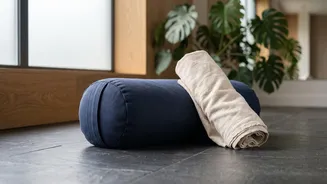
Cat-Cow is highly accessible, but modifications can make it more comfortable for different needs. If you have sensitive knees, place a folded blanket or towel underneath them for extra cushioning. For wrist pain, you can come down onto your forearms or make fists with your hands to keep the wrists in a neutral position. If getting on the floor is not an option, you can perform a seated version in a chair by placing your hands on your knees and moving your spine through the same arching and rounding motions. These adjustments ensure that everyone can experience the benefits of spinal mobilisation without discomfort.