




What is Rain-Light Travel?
The term itself evokes a sense of freedom and minimalism. Rain-light travel is a philosophy that embraces the off-season, particularly the monsoon months of July through September. It’s about travelling with a lighter footprint, both in terms of luggage
and environmental impact. More importantly, it is about witnessing a destination transform under a different sky. For Rajasthan, a state typically associated with arid desert landscapes, this means experiencing its dramatic, green makeover, accompanied by cooler temperatures and far fewer tourists. This approach swaps the frantic energy of peak season for a more relaxed, immersive, and often more affordable, journey. Hotels and travel packages often see significant price drops, making luxury stays more accessible.
The Desert in Bloom
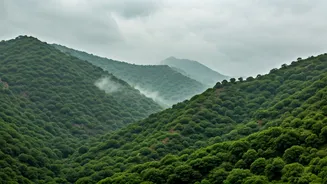
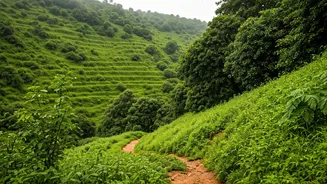
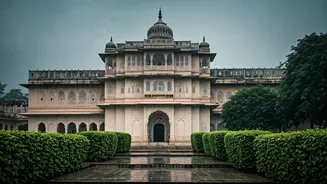
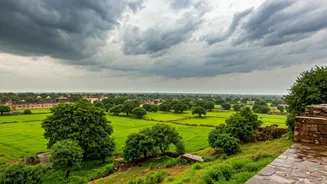
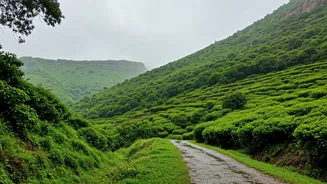
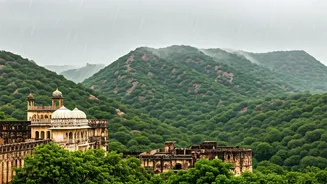
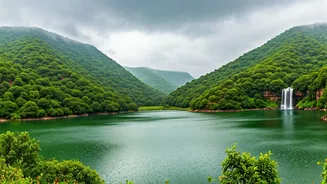
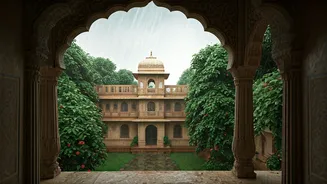
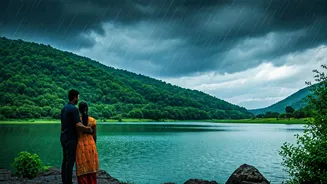
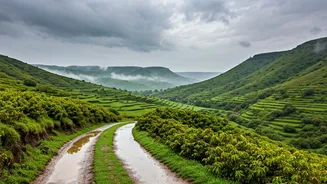
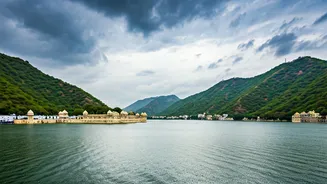
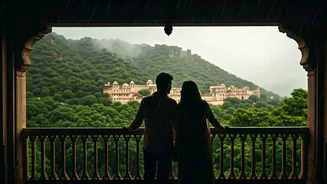
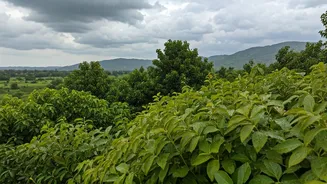
The most compelling reason to visit Rajasthan during the monsoon is the stunning transformation of its landscape. The parched earth gives way to a surprising carpet of green, especially in the Aravalli range. The hills around Udaipur, Kumbhalgarh, and Mount Abu become lush and inviting, offering a visual treat that contrasts sharply with the state's popular image. This is the time when the region's flora and fauna come alive. Lakes and reservoirs, the lifelines of the state, fill to the brim, creating picturesque scenes perfect for photography. The air is clean, the dust settles, and the rain-washed forts and palaces appear freshly polished, their historical grandeur amplified against dramatic, cloud-filled skies.
Udaipur: The Lake City, Reimagined
Udaipur, often called the 'Venice of the East', is arguably the epicentre of monsoon magic in Rajasthan. The city's interconnected lakes, including Lake Pichola and Fateh Sagar Lake, swell with rainwater, making boat rides more enchanting than ever. The legendary Monsoon Palace, or Sajjangarh, perched atop a hill, offers panoramic views of the cloud-kissed city and its verdant surroundings. With fewer crowds, you can explore the majestic City Palace at a leisurely pace or find a quiet corner in a lakeside cafe to sip chai and watch the rain fall. The entire city takes on a romantic, almost mystical, ambience that is lost during the busier winter months.
Bundi and Mount Abu: Hidden Gems
Beyond the main tourist circuit, the monsoon reveals the charm of smaller towns. Bundi, a historic town known for its intricate stepwells (baoris), becomes a must-visit. The rains fill these ancient water-harvesting structures, showcasing their architectural genius. It’s a quieter alternative that offers a deep dive into Rajasthan's heritage. Further afield, Mount Abu, the state’s only hill station, becomes a misty paradise. The Nakki Lake is at its most beautiful, and the cool, pleasant weather provides a genuine escape from the heat. Exploring the magnificent Dilwara Temples is also more comfortable without the peak-season rush.
A Season of Festivals and Flavours
Monsoon travel in Rajasthan also offers a unique cultural window. The Teej festival, celebrated with great enthusiasm, marks the arrival of the rains. Primarily a women's festival, it fills public spaces with colour, song, and traditional swings. In Jaipur, a grand procession for the goddess Parvati winds through the old city, offering a spectacular cultural experience. This is also the time to indulge in special monsoon delicacies. The sweet, honeycomb-like ghevar is a seasonal treat synonymous with Teej, while street-side stalls do brisk business selling hot pakoras and masala chai, the perfect companions for a rainy day.
Practical Tips for Your Monsoon Trip
A rain-light trip requires some smart packing. Prioritise quick-drying clothes, a reliable raincoat, and sturdy, waterproof footwear. While it doesn't rain constantly, short, intense showers are common. Pack mosquito repellent for the evenings. While most major roads remain accessible, it's wise to check conditions before long drives, especially in more rural areas. Many wildlife sanctuaries are partially or fully closed during this time for the mating season, so check their status if wildlife is on your agenda. Most importantly, be flexible. Embrace the spontaneity that comes with off-season travel and be prepared for plans to change—a cancelled drive might lead to the discovery of a charming local cafe.