

From Ancient Roots to Modern Routines
A new generation of Indians is rediscovering and reimagining the country's rich heritage of physical culture. They are finding that traditional practices offer something that modern workouts often lack: a holistic approach that integrates mind, body,
and spirit. This revival isn't about rejecting the new but about enriching it with the old. The search for functional strength, mental well-being, and a deeper cultural connection is leading many young fitness enthusiasts to explore practices that have been honed over centuries. Forms like Kalaripayattu, Mallakhamb, and traditional akhada training are moving from the fringes to the fitness mainstream, thanks to a generation that values authenticity and overall wellness.
Kalaripayattu: The Warrior's Moving Meditation
Hailed as one of the world's oldest martial arts, Kalaripayattu from Kerala is experiencing a significant resurgence. Far more than a combat system, it is a discipline that cultivates strength, flexibility, and razor-sharp focus through fluid, animal-inspired movements. Young practitioners are drawn to its dual benefits, viewing it as a form of moving meditation that builds physical power while calming the mind. This ancient art, once banned by British rulers, is now being taught in cities like Bengaluru and Thiruvananthapuram, where there is renewed interest. Gurukkals (masters) note that the practice provides a powerful antidote to modern anxieties, teaching resilience, discipline, and emotional balance.
Mallakhamb and Akhada: The Power of Bodyweight
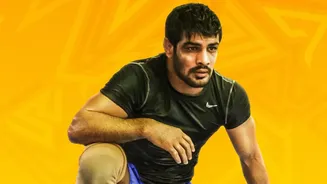
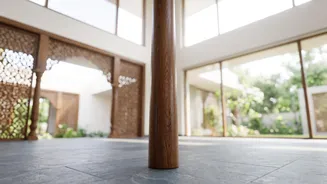
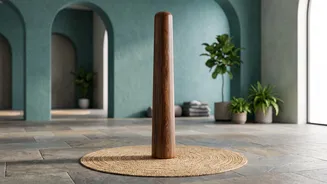
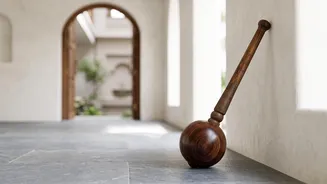
In Maharashtra and other parts of India, the sight of athletes performing gravity-defying yoga and gymnastic postures on a wooden pole is becoming more common. This is Mallakhamb, a sport that originated as a training method for wrestlers. It builds phenomenal core strength, agility, and balance using only a pole or rope. Similarly, the traditional akhada, or Indian gymnasium, is attracting young people who are moving away from machine-based workouts. Exercises using tools like the gada (mace) and focusing on bodyweight movements like dands (push-ups) and baithaks (squats) offer a full-body workout that develops functional, real-world strength. For many, these practices represent a more organic and deeply Indian approach to building a powerful physique.
Digital Gurus and the Social Media Effect
This revival is being significantly amplified by social media. Instagram reels showcasing the graceful yet powerful movements of Kalaripayattu or the acrobatic feats of Mallakhamb are capturing the imagination of millions. Digital platforms have democratized access to these once-niche disciplines, allowing trainers to reach students across geographical boundaries and build vibrant online communities. Influencers and practitioners who share their journeys online inspire others to begin, breaking down the perception that these are forgotten or inaccessible arts. Viral videos have proven to be a powerful tool, sparking curiosity and making these ancient forms feel current and aspirational.