

Moving Beyond Fast Fashion
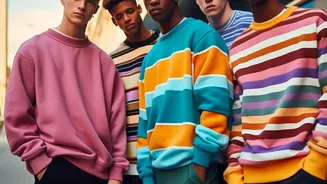
For years, the fashion landscape has been dominated by 'fast fashion'—inexpensive, trendy clothing produced at high speed and designed to be disposable. However, younger consumers, particularly Gen Z and millennials, are growing increasingly weary of
this model. They are more aware of the environmental and ethical toll of mass production, from polluted waterways to exploitative labour practices. This growing consciousness has led them to seek alternatives that align with their values. Instead of buying more, they are choosing to buy better, investing in pieces that tell a story and are made to last. This quest for more 'thoughtful consumption' has paved the way for a handloom revival, where the true value is found in craftsmanship, not disposability.
The Sustainable Choice
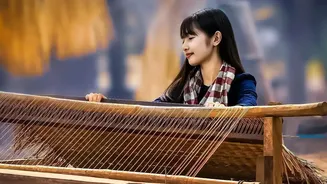
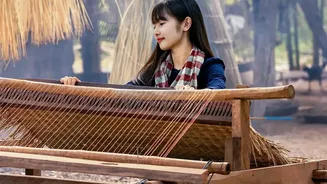
Handloom production is inherently sustainable, making it a natural fit for eco-conscious shoppers. The process relies on manual energy, creating a significantly smaller carbon footprint than industrial power looms. Many artisan communities use natural fibres like cotton, silk, and wool, along with organic dyes, which are biodegradable and kinder to the planet. For a generation that prioritises environmental responsibility, a handloom garment is more than just an outfit; it's a statement. It represents a tangible connection to a more circular and mindful way of living, proving that style and sustainability can coexist beautifully.
A Unique and Authentic Identity
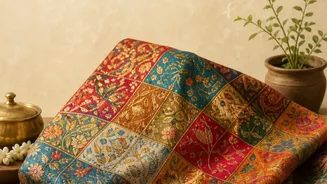
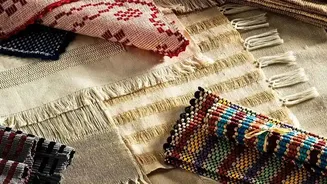
In a world saturated with identical, mass-produced goods, handloom fabrics offer a powerful antidote: uniqueness. No two handwoven pieces are exactly alike. The slight variations in the weave and the subtle imperfections in the pattern are not seen as flaws, but as marks of character and authenticity. This resonates deeply with young people who are looking to express their individuality. Platforms like Instagram and Pinterest have also played a huge role, allowing artisans and brands to showcase the intricate processes and tell the stories behind their creations. This digital exposure bridges the gap between rural weavers and urban consumers, fostering a real appreciation for the skill and heritage woven into every thread.
Connecting with Culture and Community
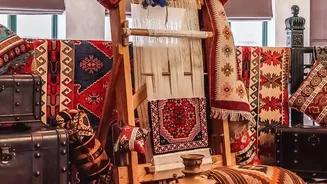
Choosing handloom is also an act of cultural pride and connection. These fabrics are living history, carrying the stories and traditions of their regions, passed down through generations. For many young Indians, wearing a handloom piece is a way to celebrate and reclaim their heritage in a modern context. Furthermore, this trend has a direct and positive economic impact. By investing in handcrafted textiles, consumers provide sustainable livelihoods for millions of artisans across the country, helping to preserve invaluable skills that might otherwise be lost. This direct-to-consumer connection ensures that artisans receive a fairer share of the value, empowering communities and keeping ancient crafts alive.
Spotlight on Regional Weaves
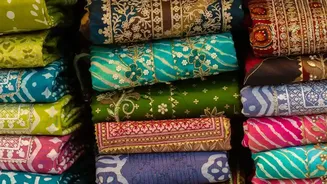
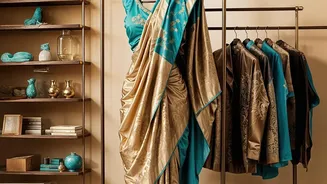
This revival has brought several regional fabrics into the national spotlight. Chanderi from Madhya Pradesh, known for its sheer texture and lightness, is being fashioned into everything from elegant kurtas to breezy kaftans. The graphic, geometric patterns of Ikat, a complex dyeing technique from Odisha and Telangana, are appearing on jackets, dresses, and even shoes, loved for their bold appeal. Banarasi silk, once reserved for bridal wear, is being reimagined in lighter weaves and pastel shades for jackets and co-ord sets. And Khadi, the fabric of India's freedom movement, continues to be a symbol of understated, sustainable luxury, perfect for everything from daily wear to a powerful style statement.