

From Overload to Organized
The challenge with seasonal eating isn't a lack of ingredients, but a surplus of choice combined with a lack of structure. When you get a bundle of fresh produce, the question “What’s for dinner?” can feel daunting. Traditional meal planning often starts
with a recipe, but seasonal cooking flips that script: the ingredients come first. This requires a mental shift from following rigid instructions to improvising with a flexible framework. The key is to reduce decision fatigue. Instead of staring at a vegetable and searching for a specific recipe, a simple system allows you to see clear, creative pathways from raw ingredient to finished dish. By externalizing your knowledge and options, you free up mental energy for the enjoyable part of cooking.
The Three Pillars of a Great Meal
Every satisfying dish is a combination of a few key elements. For a simple and effective meal planning system, focus on these three pillars: cooking methods, seasonings, and textures.
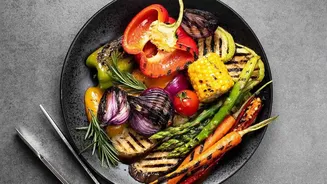
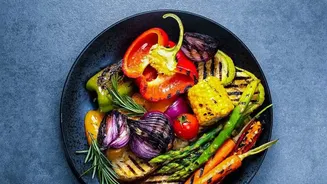
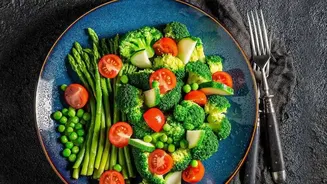
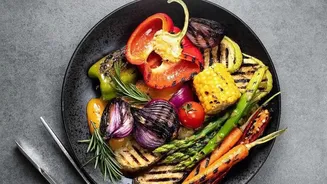
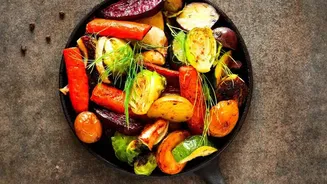
Cooking Methods: How will you cook the vegetable? Your options include roasting, grilling, steaming, sautéing, stir-frying, braising, or eating it raw. High-temperature methods like roasting can mellow bitterness and bring out sweetness.
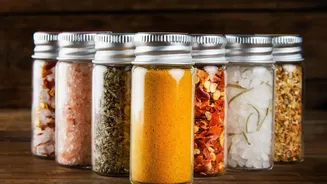
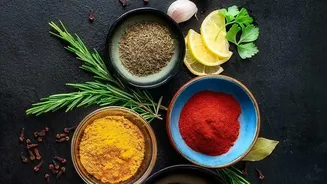
Seasonings: What flavors will you add? Think beyond salt and pepper. This pillar includes spices, herbs, acids (like citrus or vinegar), and sauces. A simple ginger-soy sauce can create an Asian-inspired dish, while lemon and dill can give it a fresh, vibrant profile.
* Textures: What will provide contrast and interest? A dish with only soft components can be boring. Adding a crunchy element like toasted nuts, crispy chickpeas, seeds, or croutons, or a creamy element like feta cheese or a dollop of yogurt, can elevate the entire meal.
Create Your Kitchen Command Centre
The core of this strategy is making these pillars “visible.” You don't need a complicated app; a simple, physical display is often most effective. Grab a small whiteboard, a large piece of paper to tape inside a cabinet, or even use sticky notes on your fridge. Create three columns or sections: “Methods,” “Seasonings,” and “Textures.” Under each heading, list all the options you enjoy or want to try. For example, under “Methods,” write down “Roast,” “Grill,” “Steam,” etc. Under “Seasonings,” list things like “Garlic & Herb,” “Smoky Paprika,” “Curry,” “Lemon & Dill.” For “Textures,” add “Toasted Almonds,” “Feta Cheese,” “Croutons,” and “Pumpkin Seeds.” This visual guide acts as your personal kitchen cheat sheet, a source of instant inspiration when you need it.
A Simple Weekly Workflow
Once your visual guide is in place, putting it into practice becomes incredibly straightforward. Here’s how it works:
1. Identify Your Vegetable: Start with what's fresh and in season. Let's say you have a bunch of asparagus.
2. Consult Your Board: Look at your “Methods” column. You might see “Roasting” and decide that sounds good.
3. Pick a Flavor: Move to the “Seasonings” column. Perhaps “Lemon & Garlic” catches your eye.
4. Add Some Texture: Finally, look at the “Textures” column. “Toasted Almonds” would provide a nice crunch.
You’ve just built a dish—Roasted Asparagus with Lemon, Garlic, and Toasted Almonds—in under a minute, without opening a single cookbook. This process encourages you to see ingredients not as problems to be solved, but as building blocks for endless combinations.
Example Pairings to Get You Started
To spark your creativity, here are a few examples using the Method + Seasoning + Texture framework:
Zucchini: Grill (Method) + Italian herbs (Seasoning) + Shaved Parmesan (Texture)
Cauliflower: Roast (Method) + Curry powder (Seasoning) + Toasted cashews (Texture).
Carrots: Roast (Method) + Maple & ginger (Seasoning) + Sesame seeds (Texture)
Kale: Sauté (Method) + Garlic & chilli flakes (Seasoning) + Crispy chickpeas (Texture).
These combinations are just starting points. The more you use this system, the more you will develop your own signature pairings and discover new favorites.