





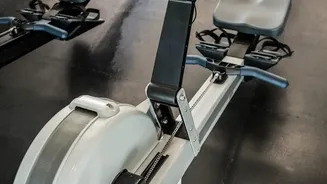

At a glance, rowing and ballet seem worlds apart. One is a display of raw power and rhythm, the other of ethereal grace and precision. Yet, both are cardiovascular powerhouses that train your heart in remarkably different, and effective, ways.
The Rower’s Heart: A Steady Engine
When you
think of building endurance, you're likely thinking of continuous aerobic conditioning, also known as steady-state cardio. This is rowing's domain. The act of rowing involves a rhythmic, repetitive motion that engages over 85% of your body's muscles, including your legs, core, back, and arms. This total-body engagement creates a significant demand for oxygen, prompting your heart to pump more blood with each beat. By maintaining a consistent pace for an extended period, you keep your heart rate in a steady, elevated zone. This type of training strengthens the heart muscle itself, making it more efficient. Over time, this leads to a lower resting heart rate and improved stroke volume—the amount of blood pumped per beat—meaning your heart can deliver the same amount of oxygenated blood with less effort. It’s a low-impact activity, making it an excellent choice for building long-term cardiovascular fitness without the joint stress associated with activities like running.
The Dancer’s Pulse: Power in Bursts
Ballet builds what can be described as 'agile' cardiovascular stamina. Unlike the steady effort of rowing, a ballet class or performance is a series of explosive, high-energy movements—like grand allegro (big jumps) and pirouettes—followed by periods of lower intensity, posing, or graceful transitions. This structure closely mimics high-intensity interval training (HIIT). These bursts of intense effort demand a rapid increase in heart rate, while the brief recovery periods train the heart to bounce back quickly. This type of training is incredibly effective at improving VO2 max, which is the maximum amount of oxygen your body can use during intense exercise. This stop-and-start demand builds a heart that is resilient and highly responsive, capable of handling sudden changes in intensity. This agile stamina is crucial not just for dancers on stage, but for anyone who plays sports like tennis or basketball, which require quick, powerful movements interspersed with rest.
Steady State vs. Interval Training
The core difference lies in how these activities stress and strengthen the cardiovascular system. Rowing’s continuous, steady-state approach is a marathon for your heart. It builds foundational endurance and improves the heart's overall efficiency in pumping blood. It is fantastic for improving lung capacity and the body's ability to use oxygen over long durations. In contrast, ballet's interval-based nature is more like a series of sprints. It challenges the heart to adapt to rapid changes, improving its ability to perform under high pressure and recover swiftly. While steady-state cardio is excellent for building a robust aerobic base, HIIT-style workouts, like those found in ballet, are particularly effective at boosting metabolic rate and enhancing athletic performance that requires explosive power.
Beyond the Cardio: Other Key Benefits
Of course, the benefits of both disciplines extend well beyond heart health. Rowing is a comprehensive full-body workout that builds muscular strength in the legs, core, and back while being famously low-impact on the joints. This makes it a sustainable form of exercise for a wide range of fitness levels. Ballet, on the other hand, is exceptional for developing core strength, balance, flexibility, and coordination. The focus on posture and precise muscle control in ballet can lead to long, lean muscles and improved body awareness. It also offers cognitive benefits, as dancers must memorize complex sequences and maintain sharp focus.
Which Path Is Right for You?
Choosing between rowing and ballet isn't about deciding which one is superior; it's about aligning the workout with your personal fitness goals. If your aim is to build long distance endurance, improve your resting heart rate, and get a full body, low impact workout, rowing is an outstanding choice. It’s perfect for those training for a 10K or who simply want to build a powerful and efficient cardiovascular engine. If your goals are geared more toward athletic agility, quick recovery, and developing power for short bursts of activity, the interval based conditioning of ballet could be a perfect fit. It builds a different kind of stamina than one focused on explosive energy and rapid adaptation. It also offers unparalleled benefits in flexibility and balance. Ultimately, the best exercise is the one you enjoy and will stick with than understanding their unique cardiovascular gifts can help you make a more purposeful choice.