






A Perfect Storm for Bacteria
The defining characteristics of the monsoon—high humidity and warm ambient temperatures—create the perfect breeding ground for harmful bacteria, viruses, and fungi. Microorganisms like E. coli and Salmonella thrive in these conditions, multiplying rapidly
on food left exposed. This is why food spoils much faster, and the risk of contracting illnesses like gastroenteritis, typhoid, and food poisoning increases significantly during the rainy season. The moisture in the air settles on all surfaces, including food, making it easier for microbes to grow.
The Temperature Danger Zone
One of the most critical concepts in food safety is the "Temperature Danger Zone." This is the temperature range between 5°C and 60°C (40°F and 140°F), where bacteria grow most rapidly. In fact, within this zone, the number of bacteria can double in as little as 20 minutes. During the monsoon, ambient room temperature often falls squarely within this danger zone. Leaving perishable foods like cooked dal, rice, meat, or dairy products on the kitchen counter for extended periods is an open invitation for contamination. To keep food safe, cold foods must be kept below 5°C and hot foods must be kept above 60°C.
Time: The Second Critical Factor
If temperature provides the ideal environment, time gives bacteria the opportunity they need to multiply to dangerous levels. The universally accepted guideline is the "two-hour rule." This rule states that perishable food should not be left in the temperature danger zone for more than two hours. If the ambient temperature is very high, above 32°C (90°F), this window shrinks to just one hour. It's a mistake to rely on sight or smell to judge if food is safe; food contaminated with harmful bacteria may look and smell perfectly normal. After cooking, if you don't plan to eat immediately, you must cool and refrigerate food promptly.
Smart Storage and Handling
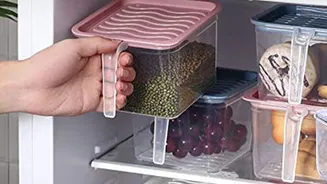
Proper storage is your main tool to control time and temperature. Leftovers should be cooled quickly and moved to the refrigerator within the two-hour window. To cool food faster, store it in shallow, airtight containers instead of large, deep pots. Ensure your refrigerator is set to 4°C or below. During monsoons, it's also crucial to protect dry ingredients from moisture. Store items like flour, lentils, and spices in airtight containers to prevent mould growth. When it comes to fresh produce, wash all fruits and vegetables thoroughly, preferably with clean, potable water, right before use.
Cooking, Reheating, and Eating Out
Cooking food to the correct internal temperature is essential for killing harmful bacteria. For most foods, this means reaching at least 74°C (165°F). When you reheat leftovers, ensure they are heated thoroughly until steaming hot, not just lukewarm. Be especially cautious with street food during the monsoon. While tempting, it's difficult to know how long the ingredients or cooked items have been sitting out in the temperature danger zone. If you do indulge, choose vendors with high turnover who maintain visibly clean practices and serve food that is freshly cooked and piping hot.