




The Ancient Superfood: What Is Amaranth?
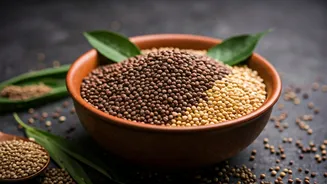
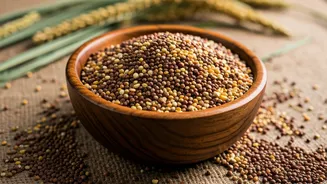
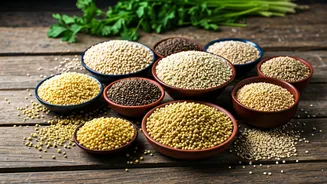
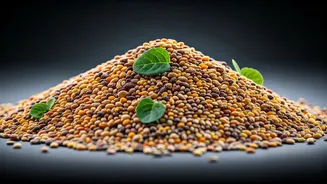
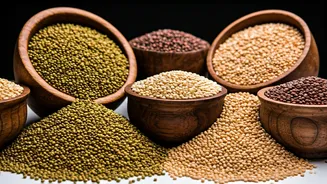
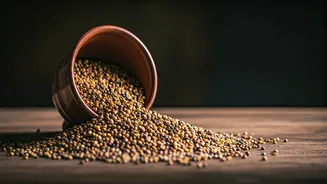
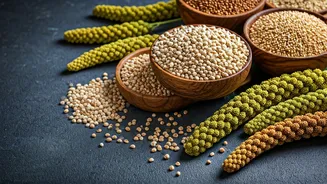
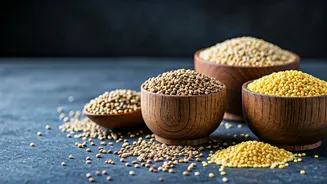
Amaranth, known as Rajgira in India, is not a true grain but a pseudo-cereal that has been cultivated for centuries. It's experiencing a modern-day revival, and for good reason. This tiny powerhouse is naturally gluten-free and boasts an impressive nutritional
profile. [13, 14] It's a rare plant-based source of complete protein, meaning it contains all nine essential amino acids, including lysine, which is often lacking in other grains. [2, 10] Amaranth is also packed with dietary fibre, which aids digestion and helps you feel full for longer, making it an excellent ingredient for managing weight. [24] Furthermore, it is a rich source of essential minerals like calcium, magnesium, iron, and phosphorus, which are vital for bone health, muscle function, and overall energy levels. [2, 6, 24] Its anti-inflammatory properties and high antioxidant content add to its reputation as a true superfood. [2, 13]
Decoding 'Guilt-Free': What Makes These Cookies Healthier?
The term "guilt-free" can be subjective, but in the context of these cookies, it refers to a conscious choice of ingredients that are more nutritious than those found in typical store-bought biscuits. The foundation is amaranth flour, which replaces refined all-purpose flour (maida). This swap immediately boosts the protein and fibre content of the cookies. [10] Instead of refined white sugar, healthier recipes for amaranth cookies often call for natural sweeteners. [3] Options like date paste, coconut sugar, or a small amount of maple syrup provide sweetness along with some nutritional benefits, such as minerals and antioxidants, and have a gentler impact on blood sugar levels compared to refined sugar. [12, 15] Healthy fats are also key. Many recipes use nut butters like almond butter, which contribute to the cookie's structure and flavour while adding healthy monounsaturated fats, protein, and vitamins. [3, 23] This thoughtful combination of ingredients results in a snack that is not only delicious but also satisfying and nourishing. [21]
A Simple Recipe for Crunchy Amaranth Tea Cookies
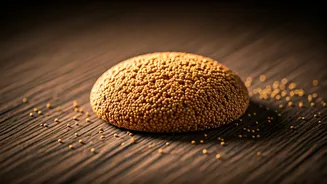
Ready to bake a batch? This recipe is simple and uses wholesome ingredients. You will need: 1 cup of amaranth (rajgira) flour, 1/2 cup of almond butter, 1/4 cup of maple syrup or date paste, 1 teaspoon of vanilla extract, 1/2 teaspoon of baking powder, and a pinch of salt. You can also add spices like cardamom or cinnamon for extra flavour. First, preheat your oven to 180°C and line a baking sheet with parchment paper. In a mixing bowl, combine the almond butter, maple syrup, and vanilla extract until smooth. In a separate bowl, whisk together the amaranth flour, baking powder, salt, and any spices. Gradually add the dry ingredients to the wet ingredients, mixing until a cohesive dough forms. The dough might feel a bit denser than a typical cookie dough. [4] Roll the dough into small, one-inch balls and place them on the prepared baking sheet. Gently flatten each ball with your fingers or the back of a spoon. [3] Bake for 10-15 minutes, or until the edges are golden brown. Let them cool completely on the baking sheet, as they will become crispier as they cool. [8]
Customisation, Tips, and Storage
The beauty of this recipe lies in its versatility. Feel free to add chopped nuts like walnuts or pistachios for extra crunch and healthy fats. A tablespoon of chia or flax seeds can further boost the fibre and omega-3 content. [9] For a chocolatey twist, add a spoonful of unsweetened cocoa powder to the dry ingredients. [5, 23] If your dough feels too sticky, you can refrigerate it for about 15-20 minutes before rolling. [4] Amaranth flour has a distinct nutty, earthy flavour that pairs wonderfully with warm spices. [4, 9] Don't be afraid to experiment with your favourite combinations. Once baked and cooled, these cookies should be stored in an airtight container at room temperature. They will stay fresh and crunchy for up to a week, making them a convenient snack to have on hand for those daily chai rituals. [8]