



The Foundation of a Bulk-Free Look
Before you can master layering, it's crucial to understand the role of a base layer. Its primary job is not just to add warmth, but to manage moisture and regulate body temperature. When your base layer sits close to your skin, it wicks away any perspiration,
keeping you dry. This is vital because dampness against the skin makes you feel cold, forcing you to add even more, bulkier layers. A proper base layer should feel like a second skin, creating a smooth, streamlined foundation that allows your other clothes to drape cleanly without bunching or clinging. Think of it as the invisible framework for a warm and stylish outfit.
Fabric First: Your Guide to a Sleeker Profile
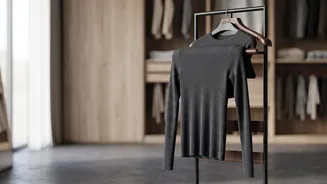
The material of your base layer is the single most important factor in avoiding volume. Chunky thermal underwear has its place, but for a night out, you need thin, high-performance fabrics. Merino wool is a top contender, celebrated for its incredible warmth-to-weight ratio. Its fine, naturally crimped fibres trap heat efficiently without adding thickness and it can absorb moisture without feeling damp. Silk is another excellent, luxurious option. It offers surprising warmth for its light weight and has a smooth finish that allows outer layers to glide over it effortlessly, making it ideal under dressier clothes. High-quality synthetics, like those made with polyester or nylon blends, are also designed to be lightweight and excellent at wicking moisture, often with added stretch for a perfect fit. The one fabric to avoid is cotton; it absorbs moisture and holds it against your skin, making you colder.
Why a Snug Fit is Non-Negotiable
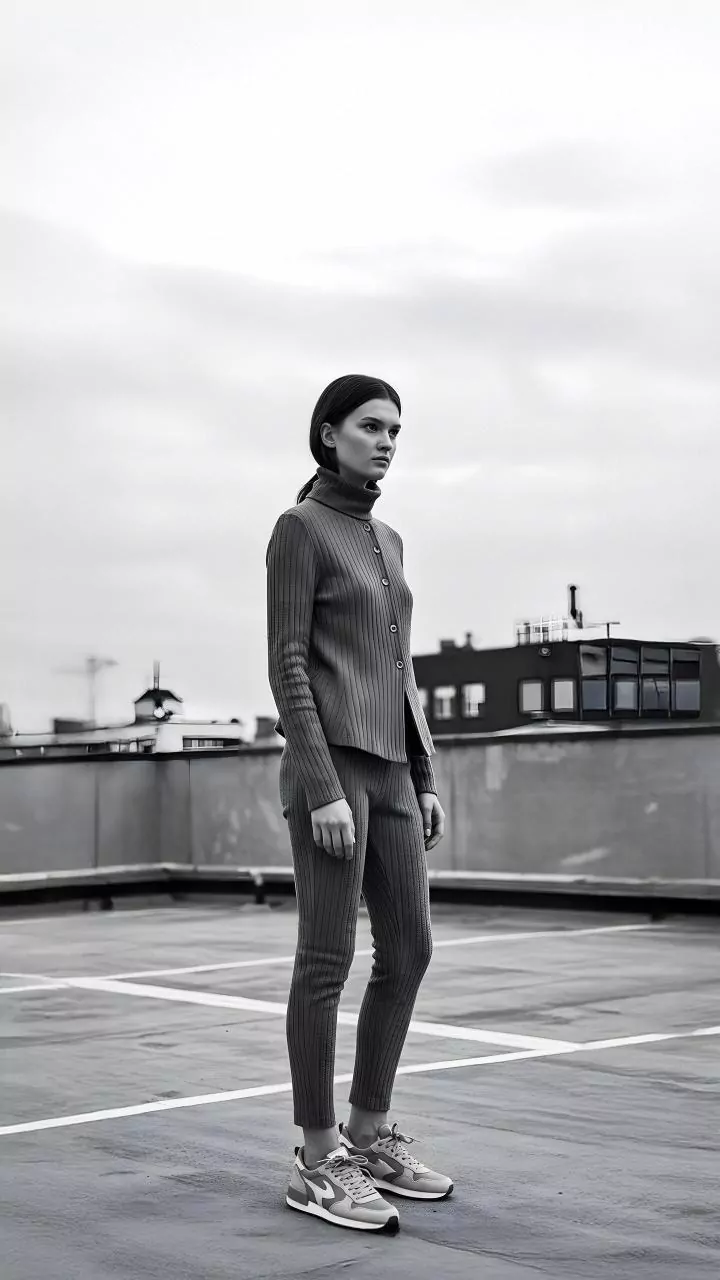
The word 'fitted' is key. A base layer should be snug, but not uncomfortably tight or restrictive. There are two main reasons for this. First, for a base layer to effectively wick moisture, it needs to be in direct contact with your skin. If it’s too loose, it can’t do its job properly. Second, a snug fit creates a smoother silhouette. Loose or baggy base layers will bunch up under your clothes, creating lumps and unwanted volume, particularly around the waist and under the arms. When trying on base layers, ensure you can move freely without the fabric pulling or digging in. It should hug your body contours comfortably, creating the perfect canvas for the rest of your outfit.
Styling Your Base Layer for an Evening Out
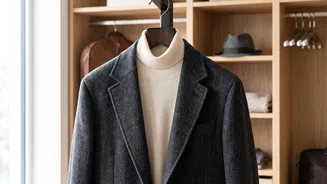
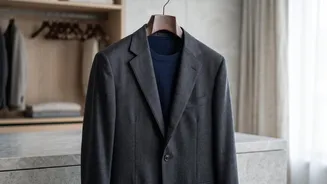
A fitted base layer is a versatile styling tool. A simple, long_sleeved merino or silk_blend crewneck or turtleneck can be worn under a blazer, a cardigan, or a knit vest. This gives you a chic, layered look that provides core warmth without the bulk of a heavy sweater. If you're wearing a dress or skirt, don't forget about your lower body. A pair of thin, opaque thermal leggings or tights made from a wool or synthetic blend can provide significant warmth under trousers, skirts, or dresses without altering the fit of your outer garments. The trick is to integrate these pieces as a seamless part of your outfit. A black turtleneck base layer peeking out from under a blazer, for example, looks intentional and polished, not like you’re secretly wearing long underwear.