
The Enduring Magic of One Pot
Long before it became a trendy hashtag, one-pot cooking was a way of life in Indian kitchens. The logic is simple yet brilliant: a single vessel for all your ingredients means less time spent juggling pans and a significantly easier cleanup. But the appeal
goes deeper than just convenience. When rice, lentils, vegetables, and spices simmer together, their flavours meld and deepen in a way that’s hard to replicate with separate components. This method not only saves time but also preserves nutrients that might otherwise be lost. For young professionals, busy families, and anyone craving the warmth of a home-cooked meal without the associated stress, these dishes are the perfect weeknight solution.
Khichdi: The Ultimate Comfort Food
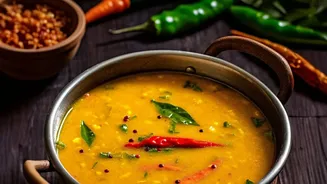
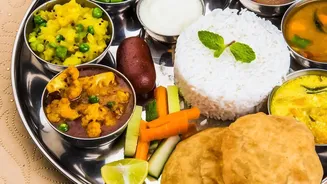
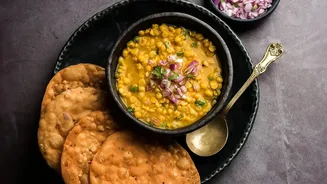
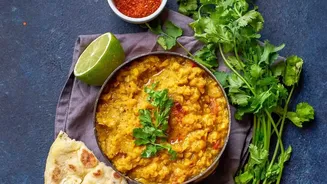
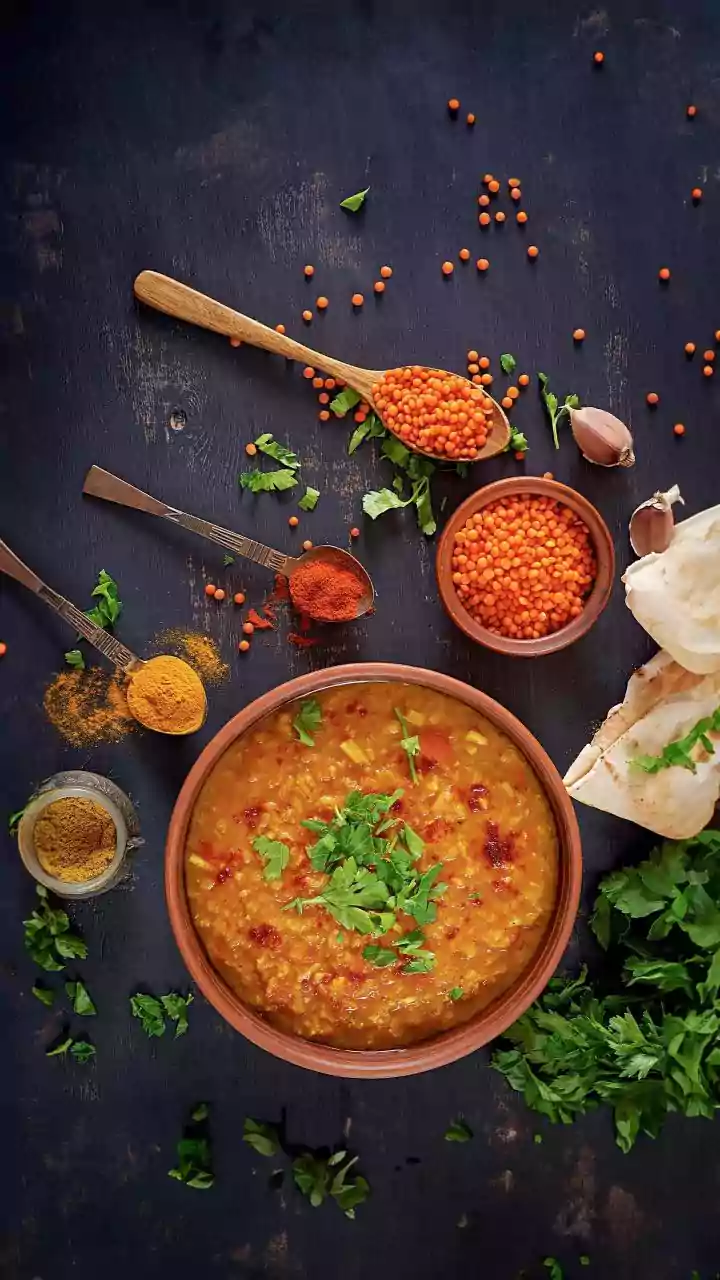
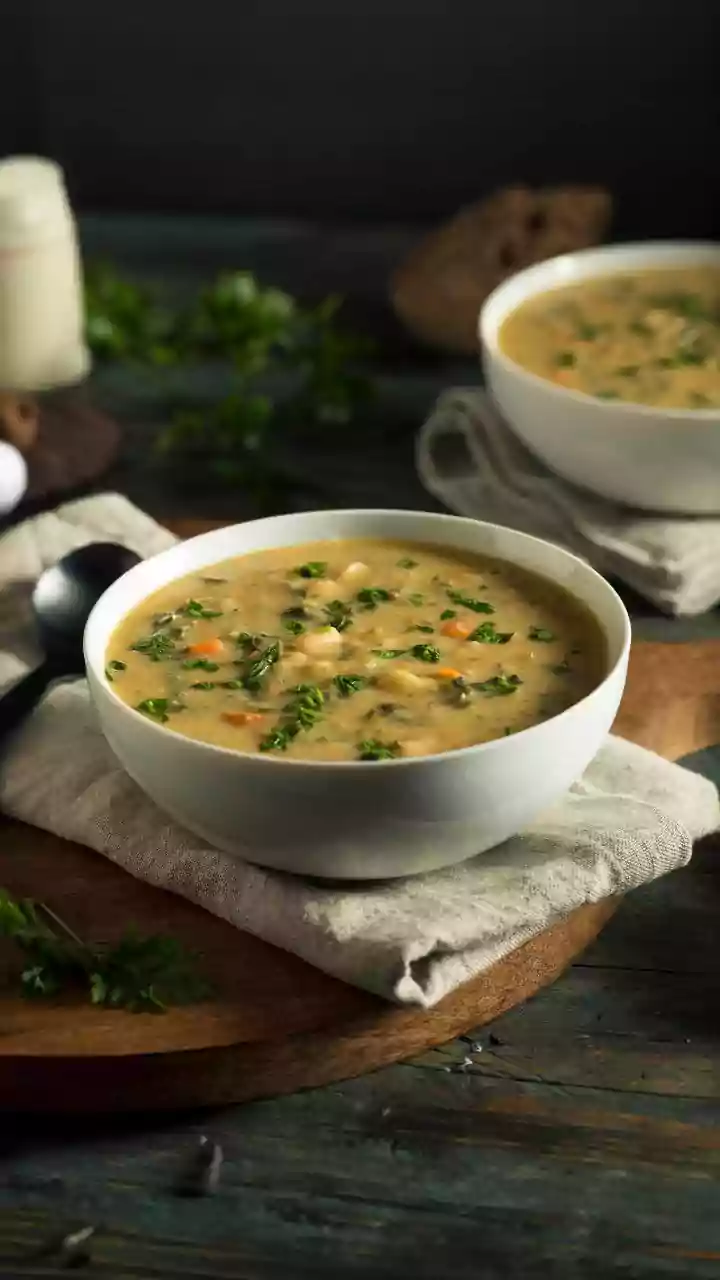
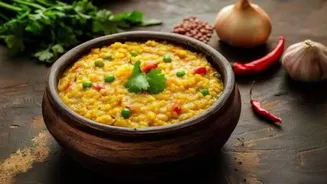
At the heart of one-pot Indian cooking is Khichdi, a dish with a history stretching back thousands of years. Made from a base of rice and lentils, Khichdi is revered in Ayurveda for being incredibly easy to digest, making it a go-to meal for recovery and nourishment. Its simplicity is its strength; the combination of rice and dal creates a complete protein, providing a wholesome meal in one bowl. But simple doesn't mean bland. From a basic tempering of cumin and ginger to elaborate versions with vegetables and spices, Khichdi is endlessly adaptable. Often called India's answer to chicken soup, it is a soothing, restorative dish that serves as a reminder of home-cooked comfort.
Tehri and Pulao: A Fragrant Feast
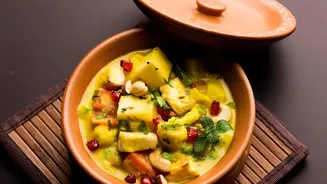
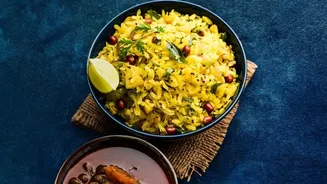
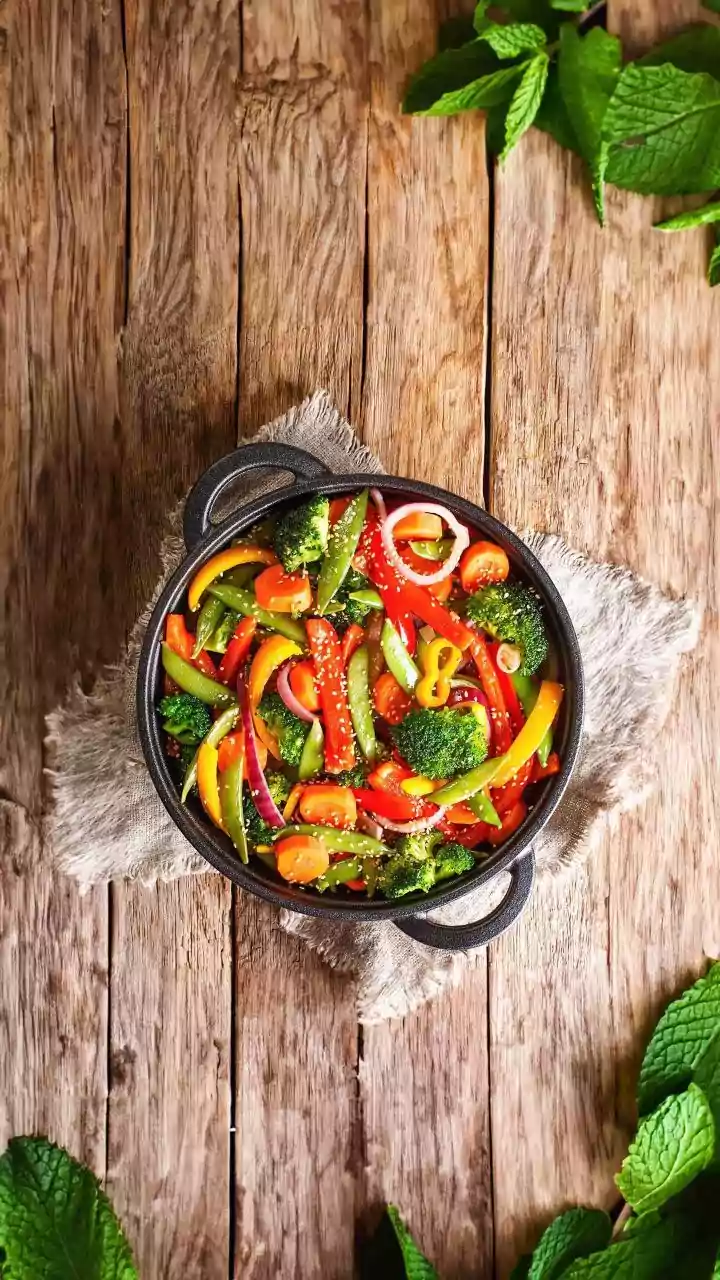
For evenings that call for something a little more festive but equally straightforward, Tehri and Pulao are stellar choices. Tehri, a fragrant yellow rice dish from Uttar Pradesh, is a celebration of vegetables and spices. Typically made with potatoes, carrots, peas, and cauliflower, all the ingredients cook together with the rice, allowing every grain to become infused with aromatic spices. Similarly, a Vegetable Pulao brings together seasonal vegetables and whole spices like cinnamon, cloves, and bay leaves for a fragrant and satisfying meal that looks far more complicated to make than it is. Both dishes beautifully showcase how a single pot can produce layers of flavour with minimal effort.
Modern Twists on a Classic Method
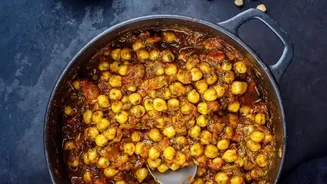
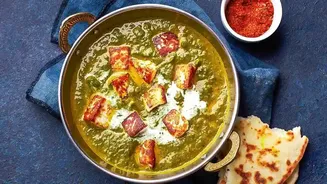
The one-pot principle isn’t limited to just rice and lentil dishes. The same ethos applies to a wide range of quick curries and sabzis made in a single kadai or pan. Think of a quick Paneer Butter Masala where the gravy and paneer come together in one pan, or an Aloo Gobhi where potatoes and cauliflower are cooked in a spiced tomato-onion base until tender. Even popular dishes like Pav Bhaji, with its mashed vegetable medley, follow the one-pot logic of building flavour in a single vessel. These modern interpretations deliver the classic tastes we love with the efficiency we need, proving that traditional methods are perfectly suited for the contemporary Indian kitchen.
Tips for One-Pot Success
Mastering the one-pot meal is all about a few key techniques. Start by sautéing your whole spices in ghee or oil to release their aromatic compounds before adding other ingredients. This process, known as 'tadka' or tempering, builds a crucial flavour base. When adding vegetables, put in the harder ones like potatoes and carrots first, followed by quicker-cooking ones like peas and bell peppers. Getting the water-to-grain ratio right is essential, especially for rice dishes; a good rule of thumb is usually two parts water to one part rice, but this can vary. Finally, once your dish is cooked, letting it rest for a few minutes off the heat allows the flavours to settle and the grains to become perfectly fluffy.