

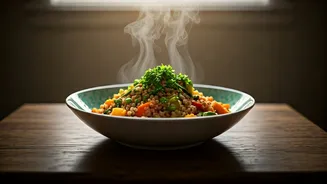


A Tradition Steeped in History
Before it became a trending health topic, fermented rice water was a staple in many Indian households. In states like Odisha, West Bengal, Assam, and Tamil Nadu, this drink has been consumed for centuries, known by local names such as *pakhala*, *panta
bhat*, and *neeragaram*. It was traditionally seen as a nourishing and cooling food, especially for farmers and labourers who needed sustained energy throughout the day. This practice wasn't just about preventing food waste by using leftover cooked rice; it was an intuitive way of creating a nutrient-dense beverage that was easy on the gut. The drink is so culturally significant in Odisha that March 20th is celebrated as Pakhala Dibasa (Pakhala Day).
The Science of a Simple Soak
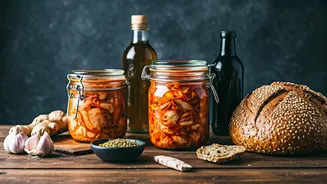
When cooked rice is soaked in water and left to stand overnight, a natural transformation occurs. This process, known as fermentation, allows beneficial microorganisms, particularly lactic acid bacteria (LAB), to thrive. These microbes get to work breaking down components in the rice. One of their most important jobs is reducing 'anti-nutrients' like phytic acid. Phytic acid can bind to minerals like iron, zinc, and calcium, making it harder for our bodies to absorb them. By breaking down these anti-nutrients, fermentation unlocks more of the rice's inherent nutritional value. The result is a liquid that is not only easier to digest but also richer in bioavailable nutrients.
Fact-Checking the Vitamin Claims
So, what about the 'vitamin boost'? The fermentation process does significantly increase the levels of certain vitamins. Research has shown that fermented rice is a good source of B-complex vitamins, including thiamine (B1), riboflavin (B2), niacin, and even vitamin B12. One study noted that compared to plain boiled rice, fermented rice could have four times the vitamin B1 and double the vitamin B2. The presence of vitamin B12 is particularly noteworthy, as it's a nutrient often lacking in vegetarian and vegan diets. Studies have also found vitamin E and vitamin C in the fermented liquid. However, while fermentation enhances these vitamins, it's important to see the drink as a contributor to your daily intake, not a replacement for a varied diet.
Beyond Vitamins: Probiotics and Minerals
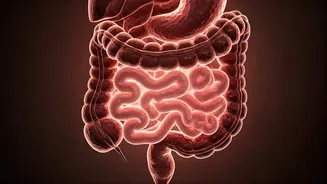
The benefits of fermented rice water extend far beyond just vitamins. It is a potent natural probiotic, supporting a healthy gut microbiome which is crucial for good digestion, reduced inflammation, and a strong immune system. Research from AIIMS Bhubaneswar highlighted that the short-chain fatty acids produced during fermentation can improve gut health and boost immunity. Furthermore, mineral content also sees a dramatic increase. Studies on *panta bhat* found that after fermentation, the bioavailability of iron could increase more than twenty-fold, while calcium levels could nearly quadruple. Potassium levels also rise significantly, making it a hydrating drink that helps regulate body temperature and replenish electrolytes.
How to Try It Safely at Home
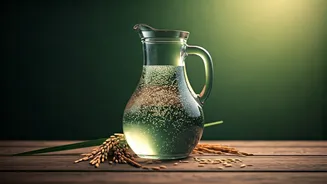
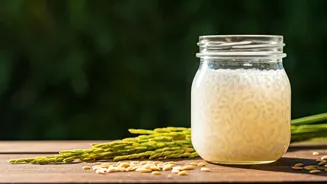
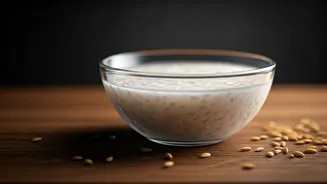
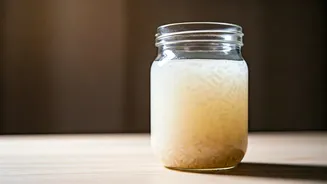
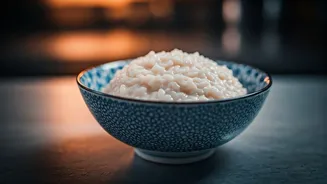
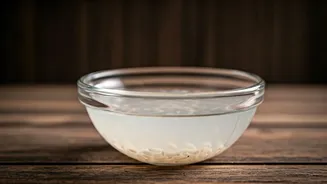
Making your own fermented rice water is simple, but hygiene is key to prevent contamination. The traditional method involves taking leftover cooked rice (at room temperature) and soaking it in a clean clay pot or glass jar, covering it completely with water. Cover the container with a loose lid—not airtight—to allow gases to escape, and let it ferment at room temperature overnight (for about 12-24 hours). By the next morning, it should have a slightly tangy smell. You can drink the water on an empty stomach or consume it with the soaked rice, often mixed with a little salt, onion, or green chilli for flavour. It’s best to start with small quantities. Because fermentation can produce histamines, those with histamine intolerance should be cautious.