

What is a Freestyle Dance Workout?
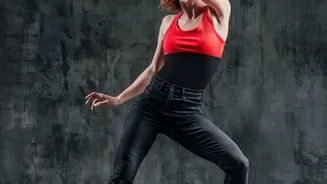
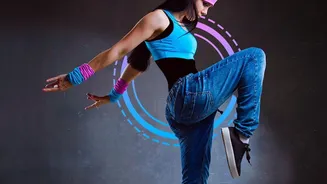
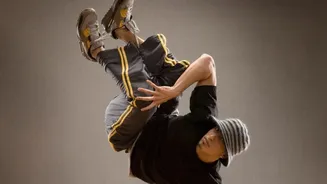
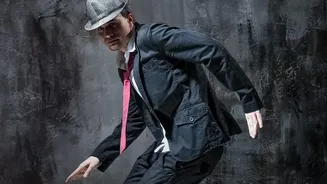
Unlike a choreographed class where you learn specific steps, a freestyle dance workout is all about spontaneous, unscripted movement. It's you, a beat, and the freedom to move however your body feels led. This could mean anything from gentle swaying in your living
room to high-energy jumping and spinning. The point isn't to perform or look a certain way; it's to get lost in the music and keep your body in motion. This form of exercise is highly personal and can be adapted to any fitness level or musical taste, making it one of the most accessible workouts available.
The Power of Continuous Movement
The core benefit of a freestyle dance session is continuous movement, which is fantastic for cardiovascular health. Keeping your body active for an extended period, even at a moderate intensity, elevates your heart rate, improves circulation, and builds endurance, much like jogging or cycling. Research shows that dancing can burn a significant number of calories, with some vigorous styles matching the intensity of running. This sustained activity engages multiple muscle groups at once—your legs, core, back, and arms are all invited to the party—leading to a full-body workout that also enhances balance and coordination.
More Than Just Physical Fitness
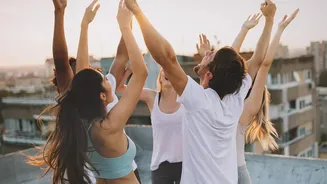
The benefits of freestyle dance extend far beyond the physical. Moving your body freely to music is a powerful tool for mental and emotional well-being. Studies, including one from UCLA Health, have highlighted how 'conscious dance'—a form of unchoreographed movement—can significantly improve mood and help release distressing thoughts. The act of dancing releases endorphins, the body's natural mood-lifters, which can reduce stress and anxiety. It offers a creative outlet for emotions that can be hard to express with words and fosters a sense of mindfulness by keeping you focused on the present moment.
Finding Your Rhythm Safely
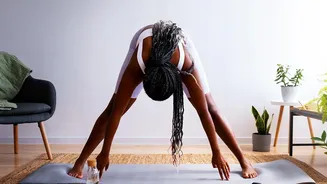
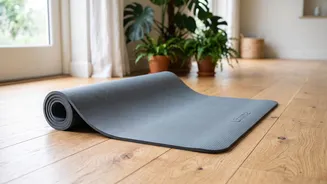
Getting started is as simple as putting on a song you love. However, to keep it safe and effective, a little preparation goes a long way. Always start with a warm-up, like light cardio and stretching, to get your blood flowing and loosen your muscles. Find a clear space where you won't bump into furniture. As you move, listen to your body; the goal is to feel good, not to push through pain. Don't worry about looking polished or being repetitive. The most important part is to simply allow yourself to play and connect with the music. A proper cool-down with slower music and gentle stretching is also crucial for recovery.
Keeping It All in Perspective
While freestyle dance is an excellent form of cardio and a fantastic mood booster, it's helpful to see it as one component of a well-rounded fitness plan. It's generally a low-impact activity, which is great for your joints, but it's not a substitute for dedicated strength training if building significant muscle is your goal. The 'in perspective' part is about managing expectations. The aim is not to become a professional dancer overnight but to find joy in movement. Some days you might have an energetic, hour-long session; other days, a gentle ten-minute dance is all you need. Both are valid. The goal is consistency and enjoyment, which make it a sustainable habit for life.