

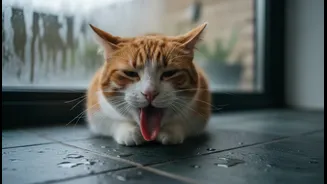


Why Humidity is a Silent Threat
We often think that keeping our pets indoors protects them from the worst of the summer heat. While it helps, high humidity changes the equation entirely. Dogs and cats don't sweat like humans to cool off. Dogs rely on panting, and cats use grooming and minimal
sweat glands in their paws. This process, called evaporative cooling, works when moisture evaporates from their tongue or skin, taking heat with it. However, when the air is already saturated with moisture — a common scenario during Indian monsoons — this evaporation process slows down dramatically. Panting becomes less effective, and their internal body temperature can quickly rise to dangerous levels, even in a room that doesn't feel excessively hot to us. This makes humidity a silent and serious threat.
Spotting the Early Warning Signs
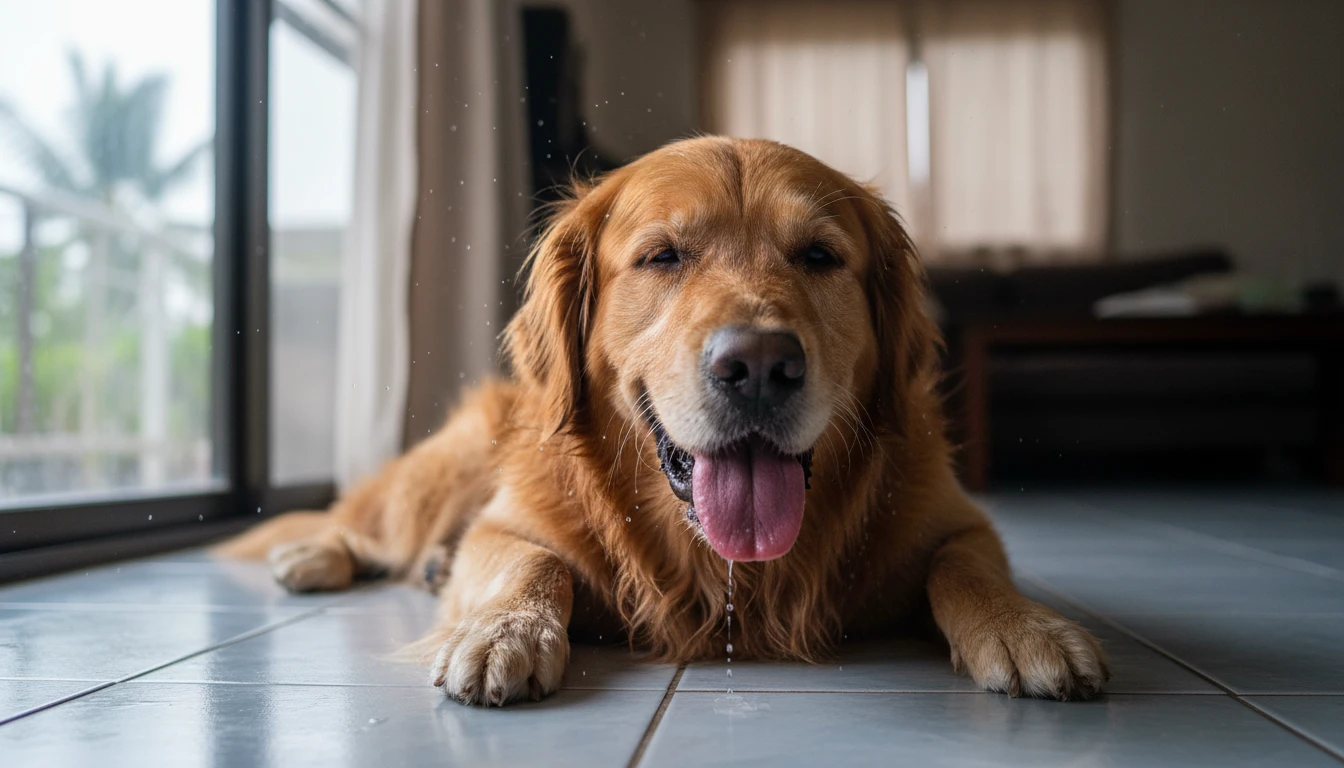
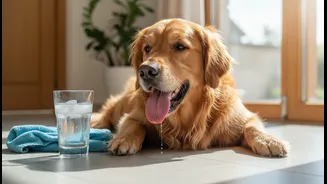
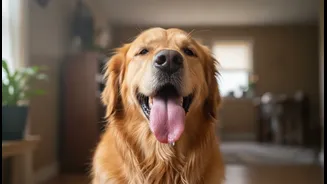
Recognising the early signs of overheating is crucial for preventing a medical emergency. If you notice any of these symptoms, it's time to take immediate action. For dogs, look for excessive, rapid panting that doesn't stop with rest, thick and sticky drool, and gums that appear bright red. They may also become lethargic, weak, or seem disoriented. Cats show more subtle signs; they might start breathing with their mouth open (which is not normal for cats), become restless while seeking cool spots, or groom themselves excessively in an attempt to cool down. More severe signs for any pet include vomiting, diarrhoea, stumbling, glazed eyes, or collapse, which signal a true emergency.
Practical Prevention Strategies for Indian Homes
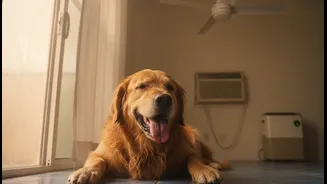
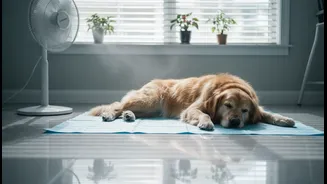
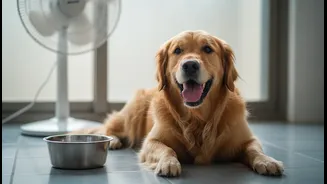
Prevention is always better than cure. Ensure your pet has constant access to fresh, cool water; adding a few ice cubes can help. Place multiple water bowls around the house. Tiled or marble floors are excellent for pets to lie on, but you can also provide a cooling mat, which uses a pressure-activated gel to absorb body heat without electricity. Be mindful of your cooling methods. While air conditioners reduce both temperature and humidity, evaporative air coolers (swamp coolers) add moisture to the air, which can worsen the situation in already humid regions. Ensure good ventilation if you use a cooler. Finally, adjust your routine. Shift walks to the cool hours of the early morning or late evening, and never leave your pet in a parked car.
Breeds at Higher Risk
While any pet can suffer from overheating, some breeds are particularly vulnerable in the Indian climate. Brachycephalic, or flat-faced, breeds like Pugs, Bulldogs, Shih Tzus, and Persian cats are at the highest risk. Their shortened nasal passages make panting inefficient even in normal conditions. Breeds with thick, double coats designed for cold climates, such as Siberian Huskies, Saint Bernards, and German Shepherds, also struggle immensely. Their fur is designed to trap heat, making it difficult for them to cool down in hot and humid weather. Owners of these breeds need to be extra vigilant and provide a consistently air-conditioned environment during peak summer and monsoon months.
Emergency First Aid: What to Do
If you suspect your pet has heatstroke, you must act fast. First, move them to a cooler, shaded, or air-conditioned area immediately. Use cool—not ice-cold—tap water to wet their body. Focus on their paws, belly, groin, and neck area. Using a fan to blow air over their damp fur will speed up evaporative cooling. Do not use ice or freezing water, as this can cause their blood vessels to constrict, trapping heat inside their body and potentially leading to shock. You can offer small sips of cool water if your pet is conscious, but don't force them to drink. Even if your pet seems to recover, it's crucial to take them to a veterinarian immediately. Heatstroke can cause internal organ damage that isn't immediately visible.