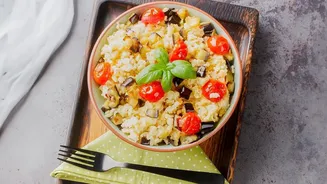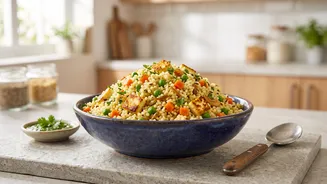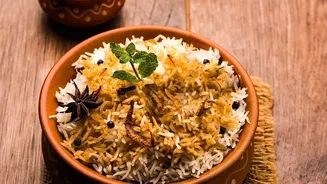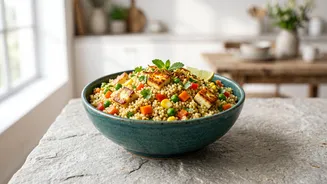


Looking for a lunch that’s both comforting and incredibly healthy? Swapping traditional rice for ancient grains like millet in your vegetable pulao is a simple yet powerful upgrade for a balanced, flavourful, and deeply satisfying midday meal.
The Rise of a Humble Super Grain
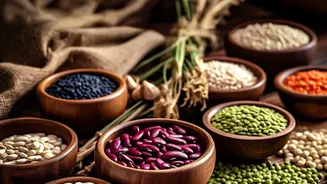
Millets,
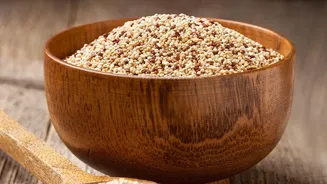
the small-seeded grains once considered humble food, are making a major comeback in Indian kitchens. These ancient crops, cultivated for thousands of years, are being rediscovered for their impressive nutritional profile and versatility. Unlike polished white rice, which loses much of its nutritional value during processing, millets are typically consumed as whole grains. This means they retain their natural goodness, including dietary fibre, protein, and essential minerals like iron, magnesium, and calcium. They are also naturally gluten-free, making them an excellent choice for those with gluten sensitivity or celiac disease. As more people seek out wholesome and sustainable food choices, millets offer a connection to traditional eating habits while delivering on modern health demands.
Millet vs. Rice: A Nutritional Upgrade
When it comes to a one-pot dish like pulao, the base grain makes all the difference. While white rice is a beloved staple, millets offer a superior nutritional profile in several key areas. The most significant advantage is their high fibre content. Millets contain dramatically more fibre than polished white rice, which aids digestion, promotes gut health, and keeps you feeling full for longer. This high satiety factor can help prevent overeating and support weight management goals. Furthermore, millets generally have a lower glycemic index compared to white rice, meaning they cause a slower, more gradual rise in blood sugar levels. This makes them particularly beneficial for managing blood sugar. Many varieties of millet also boast nearly double the protein of white rice, contributing to a more balanced and sustaining meal.
Choosing the Right Millet for Your Pulao
Not all millets are interchangeable, but several 'minor millets' are perfect for rice-style dishes like pulao because they cook up into fluffy, separate grains. Foxtail millet is a popular choice as it has a light, nutty flavour and cooks relatively quickly. It’s a great starting point if you’re new to millets. Kodo millet is another excellent option; its slightly firm texture holds its shape well in one-pot meals. Little millet and barnyard millet are also fantastic substitutes for rice, with mild flavours that readily absorb the aromatic spices of a good pulao. When starting, you can even mix half millet and half rice to gradually get accustomed to the new texture.
Crafting the Perfect Millet Pulao
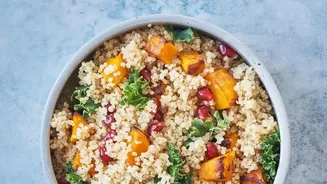
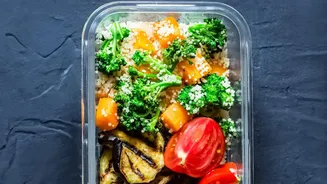
Making millet pulao is just as easy as making its rice_based counterpart. Start by rinsing one cup of your chosen millet (like foxtail or little millet) a few times. Some millets benefit from soaking for about 30_60 minutes, which helps them cook evenly. In a pot or pressure cooker, heat some ghee or oil and temper whole spices like cumin seeds, a bay leaf, cinnamon, and cloves. Sauté sliced onions until translucent, then add ginger_garlic paste and slit green chillies. Add a cup of chopped mixed vegetables—carrots, beans, peas, and potatoes work wonderfully. Stir for a few minutes before adding spice powders like coriander powder and a touch of garam masala. Next, add the drained millet, stirring gently to coat the grains with the spices. Pour in two cups of water or vegetable broth, add salt to taste, and bring to a boil. Cook covered on a low flame for about 15_20 minutes or for two whistles in a pressure cooker, until the millet is tender and all the water is absorbed. Let it rest for a few minutes before fluffing with a fork.
Make It Your Own: Pulao Variations
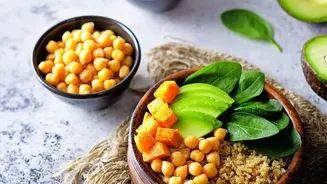
The beauty of millet pulao lies in its versatility. You can easily customize it to suit your taste and whatever you have in the pantry. For a protein boost, add a handful of soaked soya chunks or chickpeas along with the vegetables. Toasted cashews or peanuts, added towards the end, provide a delightful crunch and healthy fats. A generous handful of fresh mint and coriander leaves stirred in before serving lends a wonderful freshness and aroma. For an extra layer of flavour, you can finish the dish with a squeeze of lemon juice, which not only brightens the taste but also helps your body absorb the iron from the millets. Serve your hot millet pulao with a side of cooling cucumber raita or plain curd for a perfectly balanced and wholesome meal.