

The Monsoon's Fungal Bounty
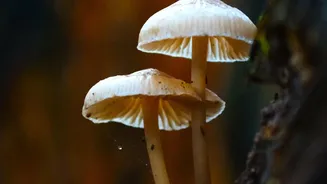
The Indian monsoon is more than just a weather phenomenon; it’s a catalyst for life. The combination of high humidity and rainfall creates the perfect breeding ground for a spectacular array of wild mushrooms, many of which are impossible to cultivate
commercially. For centuries, indigenous communities have relied on this seasonal harvest, developing a profound knowledge of which fungi are safe to eat and which are best left untouched. This ancestral wisdom transforms a walk through the damp woods into a treasure hunt, with delectable prizes pushing through the soil and sprouting from decaying logs.
Goa's Prized 'Olmi'
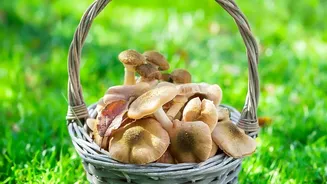
In Goa and along the Konkan coast, the arrival of rain means the arrival of 'olmi'. These are not just any mushrooms; they are predominantly species of Termitomyces, fungi that share a fascinating symbiotic relationship with termite mounds. Often called 'Goa's Truffles', these mushrooms grow on termite hills, known locally as 'roen', which gives them their regional name, 'roenichim olmi'. They are foraged by villagers and sold in small, leaf-wrapped bundles along roadsides for a few precious weeks each year. Their meaty texture and unique flavour make them a prized ingredient in local kitchens, where they are transformed into coconut-based curries like 'xacuti' and 'randai', or simply pan-fried with a coating of semolina ('rava').
Treasures of the Hills and Forests
The fungal adventure extends far beyond Goa. In the forests of Jharkhand and Chhattisgarh, tribal communities forage for 'rugra' or 'putu' mushrooms at the base of Sal trees, often called 'vegetarian mutton' for their robust texture. Further north, the Himalayan foothills are home to many varieties, though the most famous is the 'gucchi' or morel mushroom. While technically a spring harvest, its legendary status as one of the world's most expensive mushrooms, costing tens of thousands of rupees per kilogram, highlights India's rich fungal diversity. The northeastern states, particularly Meghalaya, are a biodiversity hotspot for fungi. Local Khasi communities harvest species like 'tit iongnah' from pine forests, a mushroom only recently given the scientific name Lactifluus khasianus, showcasing how traditional knowledge often precedes formal science. Some forests in Meghalaya even host bioluminescent mushrooms that glow an eerie green, used by locals as natural torches.
From Forest to Plate
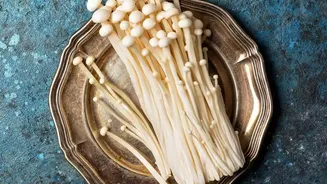
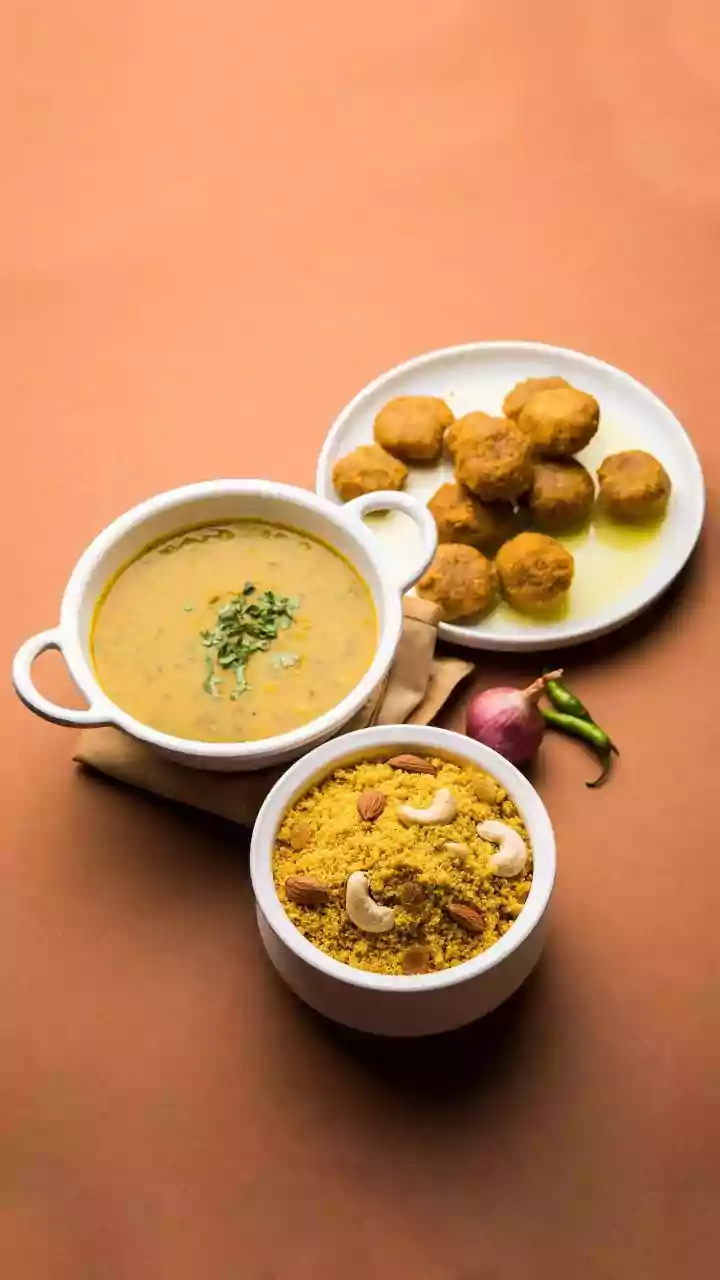
The culinary treatment of these wild mushrooms is often beautifully simple, designed to honour their delicate and earthy flavours. Unlike cultivated button mushrooms, which have a uniform taste, wild varieties offer a spectrum of nutty, smoky, and deeply savoury notes. In many homes, the preparation involves little more than a quick sauté with garlic, chillies, and local spices, served alongside hot rice or bhakri. Goan preparations might involve a rich, spiced coconut gravy, while in other regions they are added to hearty soups. The ephemeral nature of these mushrooms makes every meal a celebration of the season, a taste of the specific time and place they came from.
A Word of Caution
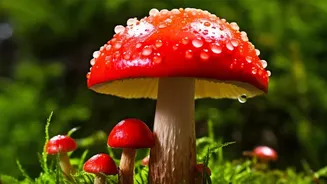
The romance of foraging comes with a serious warning: misidentification can be deadly. Many delicious edible mushrooms have poisonous look-alikes, and even experienced foragers can sometimes make mistakes. In regions like Meghalaya, health authorities issue annual warnings against consuming wild-foraged fungi due to the risk of poisoning. The knowledge of identifying safe mushrooms is passed down through generations and is highly specific to local ecosystems. For those without this deep, inherited expertise, the safest way to enjoy this seasonal bounty is to buy from trusted local sellers in village markets. These sellers are often members of the same communities that have been harvesting these fungi for centuries, ensuring you get an authentic taste of the monsoon's magic without the risk.