




Understanding Refined Oils: The Industrial Process
Refined oils are the most common type found in many kitchens, prized for their neutral taste and long shelf life. The journey from seed to bottle, however, is an intensive one. The process involves extracting oil using high heat, pressure, and often chemical
solvents like hexane to maximize yield. After extraction, the crude oil undergoes several more stages, including degumming, neutralizing with agents like caustic soda, bleaching with activated clay to remove colour, and finally, deodorizing at temperatures that can exceed 200°C to strip away any natural aroma or flavour. While this complex process creates a stable oil that won't interfere with the taste of your food, it also strips away many of the seed's natural nutrients, including vitamins and antioxidants.
What Are Cold-Pressed Oils? A Return to Tradition
Cold-pressed oils, known in India by traditional names like 'ghani' or 'chekku', are extracted through a much simpler, mechanical method. Oil-bearing seeds or nuts like groundnut, sesame, or coconut are crushed slowly under great pressure, a process that generates very little heat—typically staying below 49°C. No chemical solvents, bleaching, or deodorizing are involved. This gentle, heat-free extraction is key to preserving the oil's natural character. It retains the original flavour, aroma, colour, and most importantly, the valuable nutrients from the seed, such as antioxidants, vitamins, and healthy fatty acids. The trade-off for this nutritional integrity is often a shorter shelf life and a more distinct flavour profile.
The Nutritional Showdown: What Gets Lost in Refining
When it comes to nutritional value, cold-pressed oils have a clear advantage. They are rich in essential fatty acids (polyunsaturated and monounsaturated), antioxidants like polyphenols and tocopherols (Vitamin E), and other plant compounds called phytosterols, all of which support heart health. The high heat and chemical treatments used in refining can destroy a significant portion of these beneficial compounds. Some studies suggest that refined oils can lose a large percentage of their natural antioxidant content, leaving behind a product that offers calories without the associated micronutrients. While refined oils aren't inherently bad, they are nutritionally emptier compared to their cold-pressed counterparts.
Smoke Point: Why It Matters for Indian Cooking
The smoke point is the temperature at which an oil begins to break down, smoke, and release harmful free radicals. Heating an oil past its smoke point not only creates a bitter taste but also destroys its nutrients and can form potentially carcinogenic compounds. This is where refined oils often have an edge. The refining process gives them higher smoke points, making them more stable for high-temperature cooking methods common in Indian cuisine, such as deep frying pooris or pakoras. Many cold-pressed oils have lower smoke points and are better suited for sautéing, tempering (tadka), or being used in dressings. However, certain cold-pressed oils like groundnut and sesame can handle moderate frying temperatures well.
Making the Right Choice for Your Kitchen
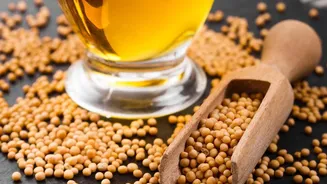
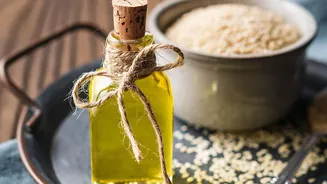
The best oil for you depends entirely on how you plan to use it. There is no single oil that fits all purposes. For daily cooking, dals, and sabzis, cold-pressed groundnut oil is a versatile and popular choice in many Indian households. For robust North Indian curries and pickles, cold-pressed mustard oil adds a traditional, pungent flavour. South Indian cuisine often relies on the rich, earthy notes of cold-pressed sesame oil or the fresh, tropical flavour of cold-pressed coconut oil. For high-heat applications like deep frying, a refined oil with a high smoke point, such as sunflower or rice bran oil, is often a more stable and safer choice. Many health-conscious kitchens adopt a blended approach, using different oils for different tasks.