



An Extended Monsoon Forecast
The Southwest Monsoon, which typically begins its withdrawal from northwest India around mid-September, is remaining active into the first week of the month. According to the India Meteorological Department (IMD), a low-pressure system over the Bay of Bengal
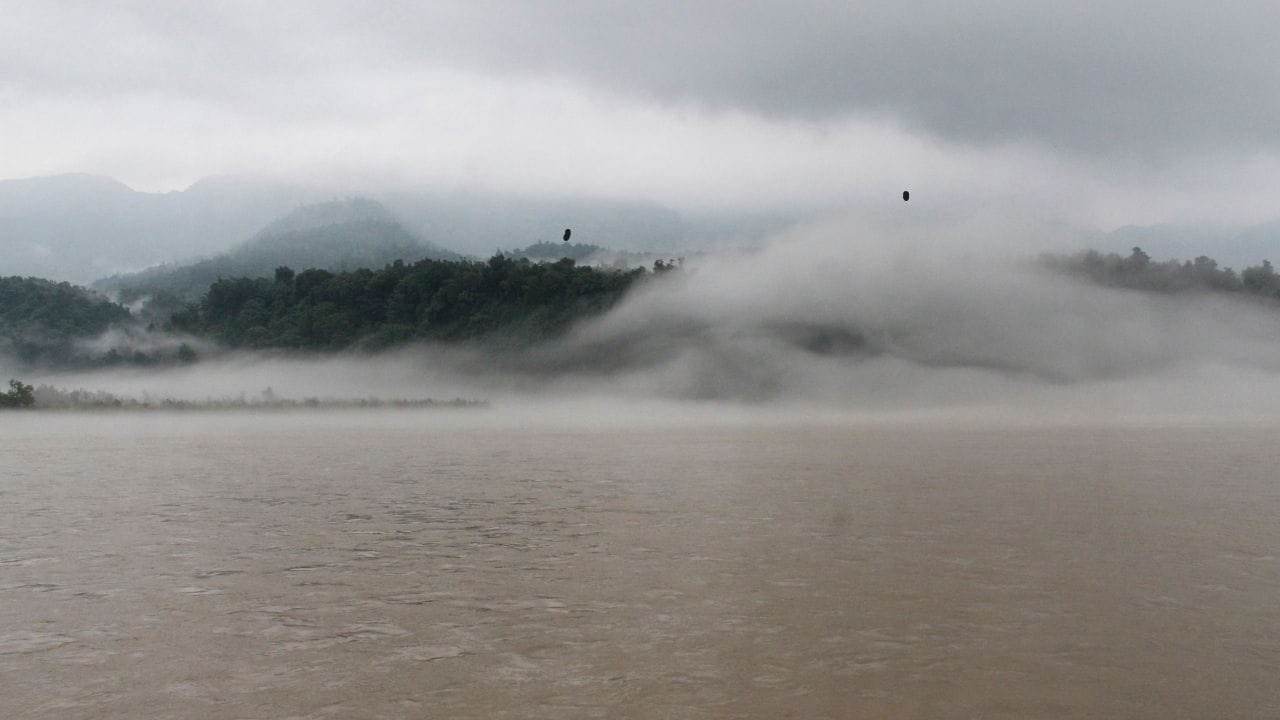
is keeping the monsoon trough active, driving moisture across several parts of the country. This means widespread rainfall is expected to continue across central, eastern, and northeastern India until at least September 5. Forecasts indicate that states like Odisha and Chhattisgarh are under the highest threat of extremely heavy showers, while many other regions will also see persistent rain.
Regions to Approach with Caution
Travelers should be particularly cautious about plans in several specific regions. Heavy to very heavy rainfall is predicted for Odisha, Chhattisgarh, Jharkhand, and Gangetic West Bengal. The hill states of Uttarakhand and Himachal Pradesh are also on alert for widespread rain, which increases the risk of landslides and road blockages. In fact, the IMD has warned that heavy rainfall could disrupt road and rail traffic and cause localized flooding in vulnerable areas. The Northeast will also remain wet, with heavy rain expected in Arunachal Pradesh, Assam, Meghalaya, Nagaland, Manipur, Mizoram, and Tripura through the first week of September. Even parts of the south, like coastal Karnataka, are forecast to receive fairly widespread rainfall.
The Real Risks of Late Monsoon Travel
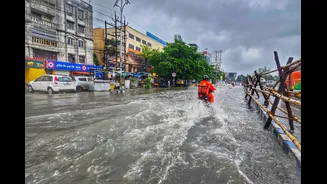
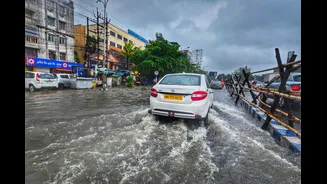
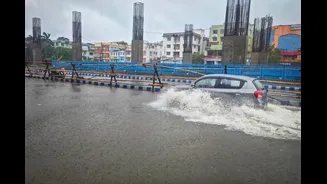
Ignoring the extended monsoon forecast comes with significant risks. In mountainous areas like Uttarakhand and Himachal Pradesh, continuous rain can weaken slopes, leading to landslides and flash floods that block roads and isolate towns. In low-lying areas and cities, waterlogging and flooding can bring traffic to a standstill and disrupt daily life. These disruptions can easily derail a tightly planned itinerary. Beyond logistics, there are health concerns. Standing water becomes a breeding ground for mosquitoes, increasing the risk of vector-borne diseases. Water contamination can also lead to illnesses. The IMD has explicitly advised people to monitor conditions and move to safer locations if necessary.
Safer Bets for September Travel
While many regions are wet, not all of India is off-limits. September can be a beautiful time to visit places where the monsoon has largely subsided or had less impact. Rajasthan, for instance, becomes particularly scenic after the rains, with its lakes full and landscapes green. Destinations like Udaipur offer pleasant weather and fewer crowds before the peak tourist season begins. Similarly, parts of Tamil Nadu, such as the hill stations of Ooty and Kodaikanal, are great options as they receive most of their rainfall during the later Northeast Monsoon. For those seeking adventure, the rain-shadow regions of Ladakh and Spiti Valley in the Himalayas remain dry and sunny, offering clear skies and open roads.
A Smart Traveller's Checklist
If your plans are set for a region with an uncertain forecast, preparation is key. First, monitor the IMD’s daily weather updates for your specific destination. Build buffer days into your itinerary to account for potential travel delays. Pack smart: include quick-dry clothing, waterproof jackets, and protective covers for your electronics and documents. Choose your footwear wisely; sturdy, waterproof shoes with good grip are essential, especially in hilly terrain. Finally, ensure you have comprehensive travel insurance that covers disruptions caused by weather. Confirm bookings, especially for transport and accommodation, and ask about their cancellation policies in case conditions worsen.