





The Philosophy of Zoning
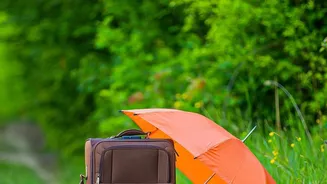
A rainy-season trip can quickly expose a weak packing system. One sudden downpour can turn a disorganized bag into a source of damp inconvenience, with wet umbrellas threatening paper documents and muddy shoes mingling with clean shirts. The solution
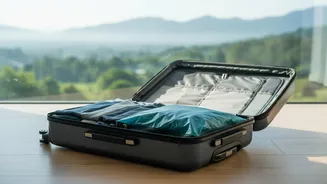
is to think like an organiser and strategically divide your luggage into dedicated zones before you even pack your first item. The core idea is simple: create an impenetrable 'dry zone' for things that must not get wet, and a contained 'wet zone' for items that are damp, dirty, or might become so. This isn't about complex systems; it's a mindset shift that prevents moisture from spreading and creating that dreaded musty smell throughout your belongings. By designating specific areas, you always know where to find your dry socks and where to safely stash a dripping raincoat without a second thought.
Gear Up: Your Zoning Toolkit
To properly execute a zoned packing plan, you need the right tools. The most crucial items are waterproof packing cubes and dry bags. Think of dry bags as packing cubes with superpowers; their roll-top closures create an airtight seal that keeps water out completely. These are perfect for creating an isolated wet zone. You can use a large one to hold a damp towel, a rain-soaked jacket, or muddy shoes. Waterproof or water-resistant packing cubes are ideal for building your dry zone, offering an extra layer of protection for your clean, dry clothes. It is also wise to invest in a waterproof pouch for essential documents like your passport and tickets, and a separate, sealed bag for any electronics and chargers to protect them from ambient moisture. A reusable shoe sac can also be a game-changer for containing muddy footwear.
Building Your Fortress: The Dry Zone
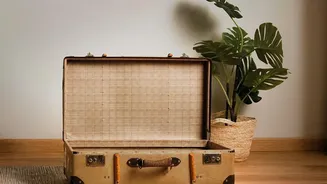
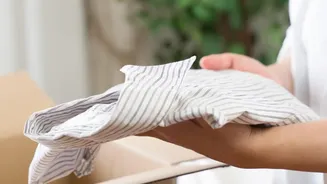
The dry zone is the heart of your luggage—the protected core that holds your fresh clothes, sleepwear, and anything else that needs to stay completely dry. Begin by grouping these items into packing cubes. Rolling your clothes instead of folding them not only saves space but also allows them to fit snugly within the cubes. Arrange these cubes in the main, central compartment of your suitcase, away from seams and exterior pockets that are more vulnerable to moisture. For ultimate protection, you can even place your clothing-filled packing cubes inside a larger dry bag. This 'bag-within-a-bag' method ensures that even if your main luggage gets soaked on a luggage cart or during a torrential downpour, your essential clothing remains untouched and ready to wear. Also, pack quick-drying fabrics like polyester, wool, or bamboo instead of cotton, as they are less likely to become musty if they do encounter humidity.
Designating the Wet Zone
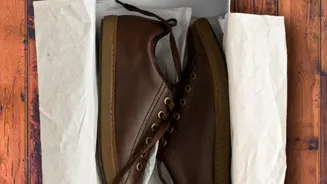
The wet zone is your designated area for anything damp, dripping, or dirty. This zone must be physically separate and sealed from the rest of your bag. An exterior pocket on a backpack can work well for a compact, wet umbrella, as long as nothing sensitive is stored nearby. However, a more robust solution is to dedicate a large, sealable dry bag as your all-purpose wet locker. When you come in from the rain, your dripping poncho or jacket goes directly into this bag. If your shoes get soaked, they can be wiped down and placed in a dedicated shoe sac or another waterproof bag. This system prevents you from having to make difficult decisions when you’re tired and wet; the rule is simple: if it's wet, it goes in the wet zone bag. This keeps moisture and odours contained, protecting everything else in your luggage.
Managing the System on the Go
A zoning plan is only effective if you maintain it throughout your trip. When you arrive at your accommodation, the first step should be to air out any damp items immediately. Hang wet clothes and towels, even if you don't plan to wear them again, to prevent mildew from setting in. If you have access to a fan, use it to circulate air and speed up drying. For wet shoes, remove the insoles to dry separately and stuff the shoes with crumpled newspaper to absorb moisture. Always ensure items are completely dry before returning them to your main dry zone. Keep a few extra plastic or reusable bags handy for unexpected situations, like separating laundry. By consistently managing what goes into each zone, you keep your system functional and your belongings fresh for the entire journey.