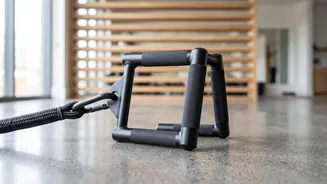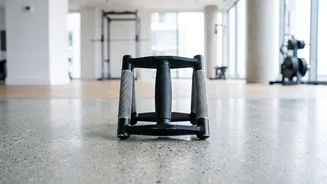


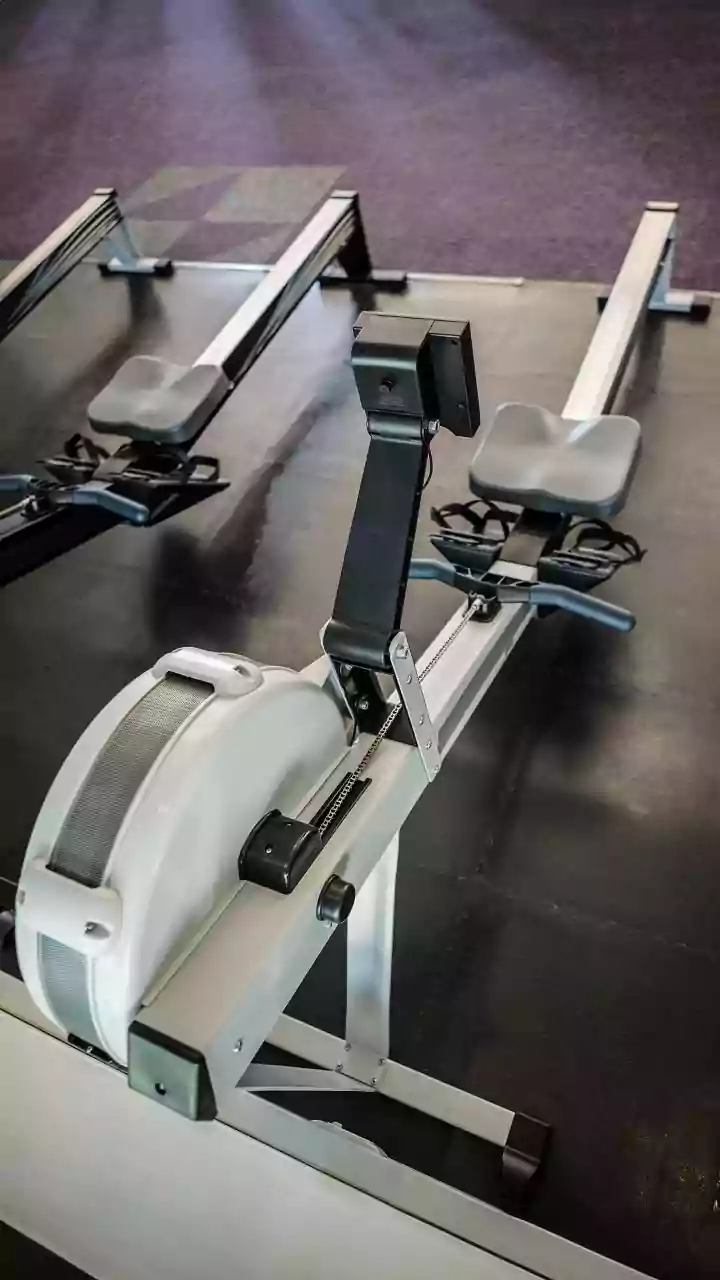

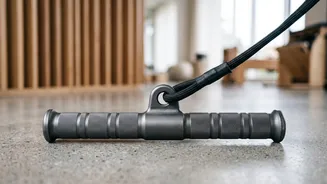


The seated row is a powerhouse exercise for building a strong, posturally-sound back. But pulling heavy weight without a plan can stall progress. The secret to unlocking its true potential lies not in the effort itself, but in the intelligent rest that
follows.
What Makes the Seated Row So Demanding?
The seated row is a compound exercise, meaning it engages multiple joints and muscle groups in a single, fluid motion. The primary movers are the large muscles of your back, including the latissimus dorsi (lats) which give your back its width, and the rhomboids and trapezius muscles situated between your shoulder blades. These muscles are responsible for pulling your shoulders back and creating good posture. Assisting the movement are your biceps and the rear part of your shoulders (posterior deltoids). Because it recruits such a significant amount of upper-body muscle mass, a challenging seated row session places considerable stress on both the muscles and the central nervous system, making dedicated recovery essential for repair and growth.
The Science of Rest and Growth
When you perform a challenging strength exercise, you create microscopic tears in your muscle fibres. This isn't a bad thing; it is the necessary stimulus for growth. The recovery period is when the real magic happens. During rest, your body initiates a complex repair process called muscle protein synthesis. It not only patches up these tiny tears but reinforces the fibres, making them thicker and stronger to better handle future stress. This adaptation is how muscles grow (a process called hypertrophy) and how you get stronger over time. Without sufficient rest, you interrupt this crucial rebuilding phase. Instead of building on your progress, you're simply breaking down muscle tissue, which can lead to stagnation or even injury.
How Much Recovery Is Enough?
There's no single answer that fits everyone, but science provides some excellent guidelines. As a large muscle group, the back generally requires 48 to 72 hours of recovery after an intense training session. This means if you have a heavy back workout on Monday, you should ideally wait until Wednesday or Thursday before training those same muscles with high intensity again. Several factors influence your personal recovery window, including the intensity of your workout, your age, sleep quality, and nutrition. A session with heavy weights and high volume will require more recovery than a lighter, technique-focused day. Listening to your body is paramount; persistent soreness is a clear signal that more time is needed.
Signs You Are Not Recovering Fully
Overtraining occurs when your body's ability to recover is consistently outpaced by the stress of your workouts. It's crucial to recognise the warning signs before they lead to burnout or injury. One of the most obvious signals is a decline in performance; if your lifts are getting weaker or you can't complete the same number of reps you did last week, your body is likely fatigued. Other physical signs include persistent muscle soreness that lasts for more than a couple of days, lingering joint pain, disrupted sleep, and even an increased susceptibility to colds. Mentally, you might feel irritable, unmotivated, or find that workouts feel unusually difficult. These are all indicators that you need to prioritise rest.
Structuring Your Week for Success
To ensure your back gets the recovery it needs, consider structuring your weekly workouts using a split routine. This involves training different muscle groups on different days. A common and effective approach is an 'upper/lower' split, where you train your entire upper body one day and your lower body the next, allowing at least 48 hours before repeating a session. Another popular method is a 'push/pull/legs' split. In this setup, you would include seated rows on your 'pull' day, alongside other exercises like pullups and bicep curls. This structure ensures you train each muscle group about twice a week while guaranteeing 72 hours of recovery in between sessions for the same muscles. Remember, recovery doesn't always mean complete inactivity. Light activities like walking or stretching on your off days can actually aid recovery by promoting blood flow.