






Decoding the 'Monsoon' Season Diet
While most Americans associate “monsoon” with weather patterns in South Asia, the dietary principles behind eating for this season are universal. A monsoon diet traditionally focuses on foods that are light, easy to digest, and packed with immunity-boosting
properties to combat the health challenges of a hot, damp environment—like digestive issues and a higher risk of infection. Think of it as strategic seasonal eating for the stickiest, rainiest days of summer, wherever you are. The goal is to keep the digestive system strong and fortify your body’s defenses. This approach, often rooted in Ayurvedic tradition, prioritizes cooked, warm foods but makes a special exception for a few powerful fruits known for their cleansing and strengthening effects.
The Expert-Approved Fruit Combination
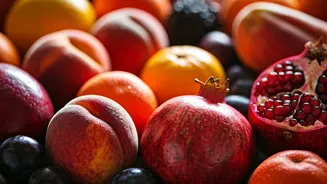
So, what’s the combination that gets a thumbs-up from health professionals? It’s the simple but potent pairing of pear and pomegranate. While many fruits are beneficial, this specific duo is frequently highlighted for its synergistic effects, especially during seasons that demand more from our immune and digestive systems. Pears provide gentle fiber and hydration, while pomegranates deliver a concentrated blast of antioxidants and vitamins. Together, they create a balanced, delicious, and functionally brilliant snack that addresses the core needs of the body during humid weather.
The Power of Pears
Often underrated, the humble pear is a digestive powerhouse. It's rich in both soluble and insoluble fiber, which is crucial for maintaining gut regularity without causing the bloating that some other high-fiber foods might. During periods of high humidity when our digestion can become sluggish, the gentle fiber from pears helps keep things moving smoothly. Furthermore, pears are a great source of vitamin C and copper, both of which are vital for a healthy immune system. They are also considered a low-glycemic fruit, meaning they don't cause sharp spikes in blood sugar, providing steady energy instead of a crash.
The Potency of Pomegranates
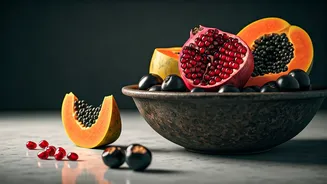
Pomegranates are nutritional superstars, celebrated for their incredibly high concentration of antioxidants. The vibrant red jewels, known as arils, are packed with powerful compounds like punicalagins and anthocyanins, which help fight inflammation and protect cells from damage caused by free radicals. This anti-inflammatory action is particularly valuable when your body is under stress from environmental factors. Pomegranates are also loaded with vitamin C—a single serving can provide a significant portion of your daily requirement. This vitamin is a cornerstone of immune function, helping your body produce the white blood cells needed to fight off pathogens.
Why They're Better Together
The magic of this combination lies in its synergy. The high fiber content in the pear slows down the absorption of the natural sugars from the pomegranate, preventing a rapid blood sugar spike and promoting a feeling of fullness. This makes it a well-balanced snack. From an immune perspective, both fruits provide a healthy dose of vitamin C, essentially doubling down on your body's defense-building capabilities. The pear’s hydrating and digestive-soothing qualities provide the perfect counterbalance to the pomegranate's potent, concentrated dose of nutrients. It’s a classic example of food synergy, where the combined effect is greater than the sum of its parts.