


A Monolith of Myth and Majesty
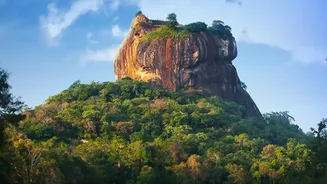
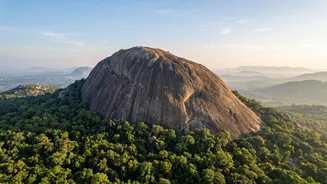
Rising 1,226 metres above sea level, Savandurga is a formidable granite giant that has witnessed millennia of history. Its name once inspired fear; it was called 'Savina Durga' or the 'Fort of Death' due to its steep, unscalable appearance which made
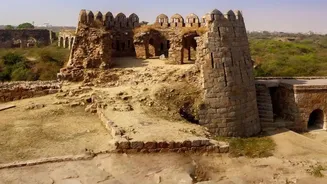
it a natural prison under rulers like Hyder Ali. The hill is actually a combination of two peaks: Karigudda (the black hill) and Biligudda (the white hill). Fortified first in the 16th century, it served as a strategic stronghold for rulers from the Vijayanagar Empire to Kempegowda and Tipu Sultan. Today, the formidable slopes that once deterred enemies now invite adventurers, while pilgrims flock to the ancient Veerabhadreshwara Swamy and Narasimha Swamy temples at its base.
Choose Your Path: Biligudda vs. Karigudda
The Savandurga experience splits into two distinct paths. The most popular and accessible route is the Biligudda trail. This path, while still a demanding ascent over bare rock, is marked with painted arrows and has foot-holds carved into the stone in steeper sections, making it manageable for most trekkers with a good level of fitness. The trail takes you past the ruins of old fort walls, offering glimpses into its historic past. The Karigudda trail, on the other hand, is a much tougher and less-defined climb. It is recommended only for experienced trekkers, and often requires a local guide and prior permission from the forest department. For most weekend warriors, Biligudda offers the perfect balance of challenge and accessibility.
The Ascent: A Test of Endurance
The trek up Biligudda is a moderately challenging climb that takes roughly two to three hours. The initial stretch is particularly steep, testing your stamina and the grip of your shoes right from the start. There is very little vegetation to hold onto, making the ascent a pure rock-climbing experience. The trail is almost entirely exposed to the sun, which is why an early start is crucial. As you climb, you'll pass several of the old fort walls, which serve as great resting points. The path can be tricky to spot at times, so keeping an eye out for the white-painted arrows on the rocks is essential to stay on course. The entire climb is a physical test, but the constant, expanding views are a powerful motivation to keep pushing forward.
The Reward: Views Worth the Climb
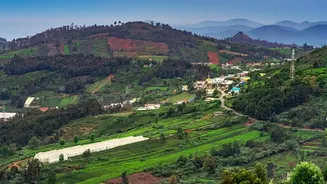
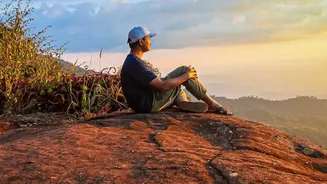
After a challenging final scramble, you reach the summit, marked by a small Nandi temple. The panoramic 360-degree view from the top is the ultimate reward for your efforts. From this vantage point, you can see the sprawling Deccan plateau, the tranquil Manchanabele Dam, and the winding Arkavathi River cutting through the lush landscape. The sense of accomplishment, combined with the breathtaking scenery, makes every drop of sweat worthwhile. The vastness of the view provides a peaceful escape and a powerful reminder of the natural beauty that lies just a short drive from the urban chaos of Bengaluru.
Planning Your Weekend Trek
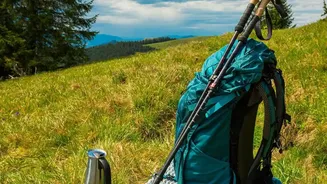
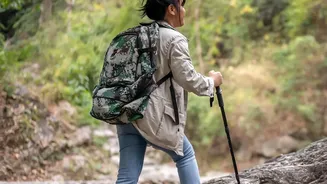
To make the most of your Savandurga adventure, careful planning is key. The best time to visit is during the cooler, post-monsoon months from October to February. Summers can be intensely hot on the exposed rock, and monsoons make the surface dangerously slippery. Aim to start your trek as early as 6 AM to avoid the harsh midday sun. Essential items to carry include at least two to three litres of water per person, as there are no water sources on the hill. Sunscreen, a hat, and energy-boosting snacks are also a must. Most importantly, wear sturdy trekking shoes with excellent grip; this is not a trek for casual footwear. Located about 60 km from Bengaluru, Savandurga is easily reachable by car or bike for a perfect day trip.