


The Sodium Solution
For years, the electric vehicle revolution has been powered by lithium-ion batteries. While effective, they come with significant costs and supply chain challenges, as India imports the majority of its lithium. Sodium-ion batteries offer a compelling
alternative. Functioning on principles similar to their lithium counterparts, they use sodium ions as charge carriers. The key difference lies in the raw material: sodium is vastly more abundant than lithium, readily available in India, and significantly cheaper. This fundamental advantage has the potential to drastically reduce the single most expensive component of an EV, paving the way for more accessible electric mobility.
Unpacking the Cost and Performance
The primary driver for sodium-ion's appeal is cost. When produced at scale, these batteries are projected to be 25-30% cheaper than comparable lithium-ion packs. This cost reduction stems directly from using inexpensive, common materials like sodium and avoiding pricier metals like lithium, cobalt, and nickel. Beyond price, sodium-ion technology offers other key benefits. They are known for being more thermally stable, reducing the risk of fire, and can perform better in a wider range of temperatures. Furthermore, many designs allow for faster charging and demonstrate a long lifespan, with some prototypes from Indian firms retaining 80% capacity after 3,000 to 6,000 cycles. While they generally have a lower energy density than lithium-ion—meaning they may offer less range for the same weight—they are perfectly suited for budget-friendly two-wheelers, three-wheelers, and city cars where long-distance travel is not the priority.
India's Homegrown Push
Several Indian companies and research institutions are making significant strides in developing and commercializing this technology, aligning with the nation's 'Make in India' and Atmanirbhar Bharat ambitions. Pune-based KPIT Technologies has developed its own sodium-ion battery technology, which it is now commercializing with partner Trentar Energy Solutions, who plans to invest in a 3GWh manufacturing facility. Industrial giant Reliance Industries is also fast-tracking the commercialization of its sodium-ion technology, acquired via its UK subsidiary Faradion, as part of its massive green energy giga complex in Jamnagar. Other innovators like Indi Energy are developing unique solutions, such as creating the battery's anode material from agricultural waste like crop stubble. These domestic efforts are crucial for building a resilient local supply chain and reducing geopolitical risks associated with imported battery materials.
The Road to Mass Adoption
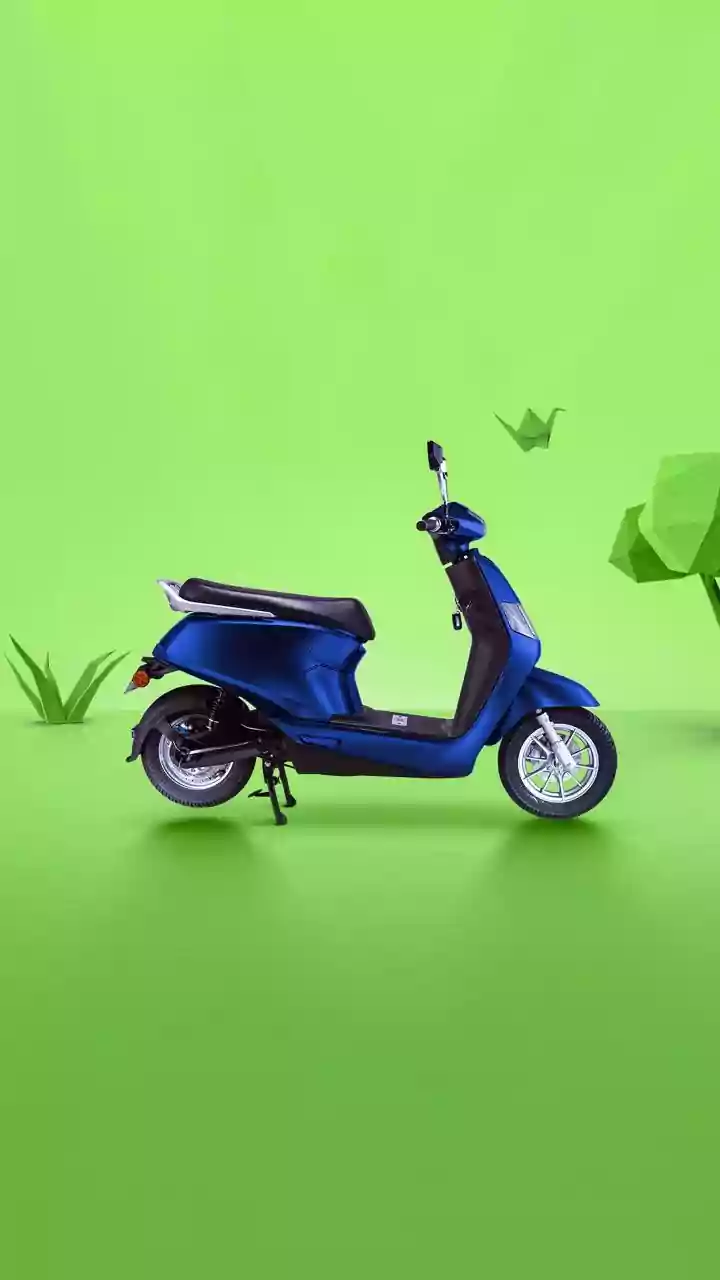
While the technology is incredibly promising, it's still in the early stages of mass commercialization compared to the well-established lithium-ion ecosystem. Most Indian efforts are at the pilot or early production stage, with large-scale output still a few years away. The initial focus for many manufacturers will be on stationary energy storage and smaller vehicles like electric scooters and rickshaws, which are less sensitive to the lower energy density of sodium-ion batteries. However, the path forward is clear. As Indian firms scale up production, the cost benefits will become undeniable. Existing lithium-ion manufacturing plants can even be retrofitted to produce sodium-ion cells with relatively minor investment, smoothing the transition. This technology is not just an alternative; it is a strategic imperative for making clean mobility a reality for millions of Indians.